Contact Us

Please feel free to get in touch to ask a question, schedule an appointment or give us your feedback. We look forward to hearing from you. 

17 Divinity St
Bristol, CT, 06010
United States

8605895155

Since 1975, O'Donnell Bros has been providing greater Bristol and Central Connecticut with residential and commercial remodeling solutions. We specialize in roofing, siding, windows, doors, gutters, downspouts and so much more. We look forward to helping you with all your remodeling needs. 

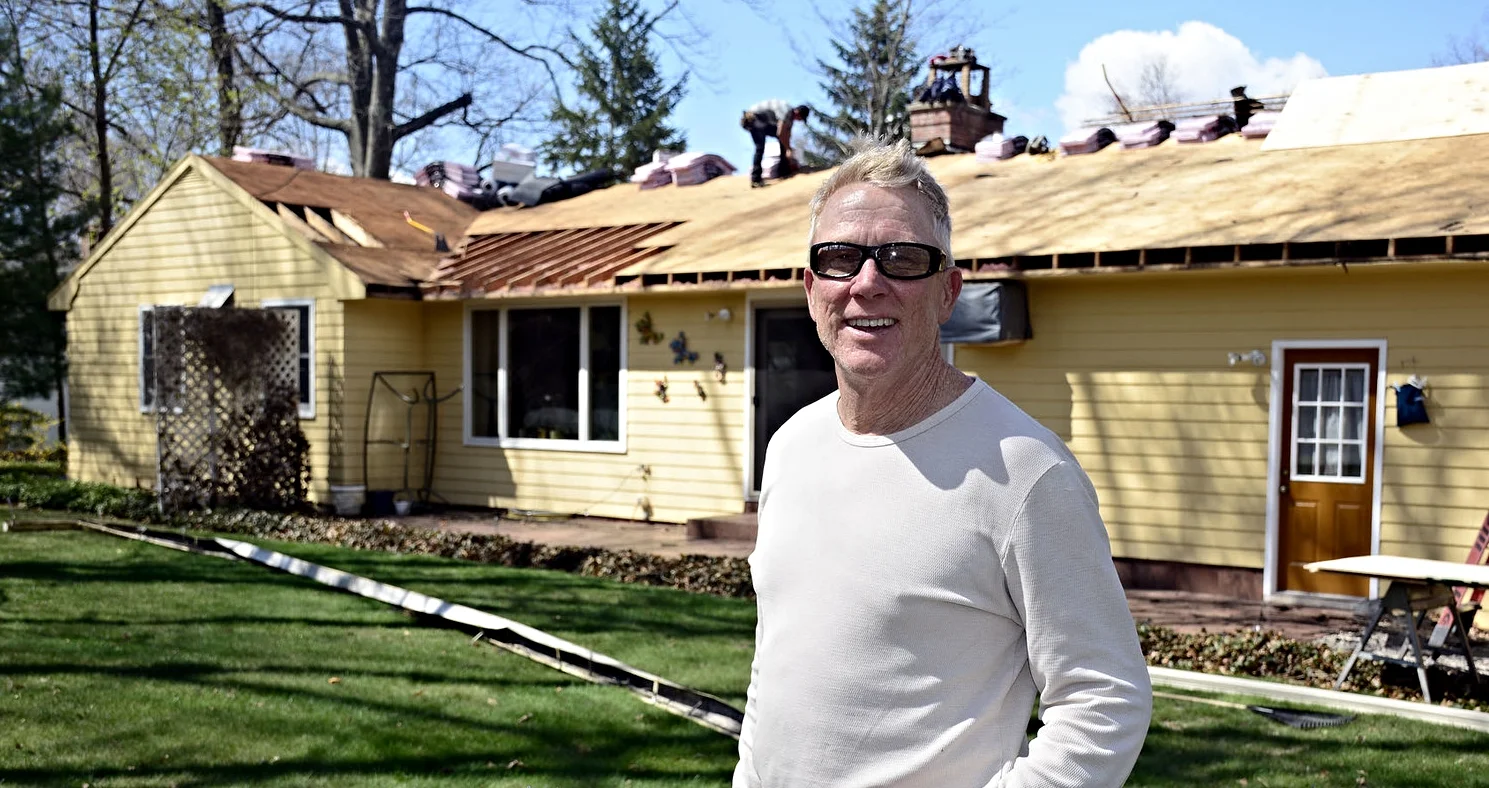
HomeImprovement-PT-050114_9032 (1).jpg

Articles

O'Donnell Bros President, Bob O'Donnell, is a regular contributor to The Bristol Press. Read his home improvement articles here.


Filtering by Tag: storm

When (and How) to Shovel Your Roof After Heavy Snow

Chelsea O'Donnell

If it feels like we’ve been living inside a snow globe lately, you’re not imagining it. Connecticut has taken a serious beating this week, and while most of us have been focused on clearing driveways and walkways, there’s another place snow quietly causes trouble: your roof.

Last week, we talked about ice dams, those thick ridges of ice that form along the roof edge and trap melting snow, often forcing water back under shingles. One of the best ways to prevent ice dams is also one of the most overlooked winter maintenance tasks: roof shoveling.

So when should you shovel your roof, why does it matter, and how do you do it safely (or decide not to do it yourself at all)?

When to shovel your roof

There’s no hard-and-fast rule like “six inches equals shovel time,” but there are some clear signals. If your roof has accumulated a foot or more of snow, especially heavy, wet snow, it’s worth paying attention. The same goes if you’re seeing icicles forming along the eaves, uneven snow melt, or signs of ice dams starting to build.

Older homes, homes with flatter or low-pitch roofs, and houses with less insulation or ventilation tend to be more vulnerable. And if we’re in one of those cycles where snow melts during the day and refreezes at night (hello, New England winter), snow buildup becomes more than just a cosmetic issue. It becomes a structural and water-infiltration risk.

Why roof shoveling matters

Snow is deceptively heavy. A roof holding several inches of wet snow can be supporting thousands of extra pounds. Over time, that stress can contribute to sagging, cracks, or long-term damage, especially if your roof was already nearing the end of its lifespan.

But the bigger issue for many homeowners is water. Snow melts, water moves, and when it refreezes at the roof edge, it has nowhere to go. That’s how you end up with leaks, stained ceilings, peeling paint, and mold growth, sometimes weeks after the snow is gone.

Roof shoveling reduces the amount of snow available to melt and refreeze, helping to prevent the ice dam cycle we talked about last week before it starts.

How to shovel your roof safely

If you’re going the DIY route, safety comes first. You should never climb onto a snow-covered roof. Instead, use a roof rake with a long extension and work from the ground. Pull snow down gently, starting at the roof edge and working upward a few feet at a time.

The goal isn’t to scrape the roof bare. In fact, you don’t want to. Leave a thin layer of snow to avoid damaging shingles. And always be aware of what’s below—snow and ice come down fast and heavy, and no one wants a surprise avalanche landing on them or their landscaping.

If your roof is steep, high, or difficult to access, or if ice has already formed, that’s your cue to stop.

When to call a professional

There’s no prize for doing this yourself. Roof shoveling can be dangerous, and every winter, people get hurt trying to save a few dollars. A professional has the right tools, safety equipment, and experience to remove snow and ice without damaging your roof or themselves.

Many local home improvement companies like ours offer roof shoveling during heavy snow seasons. We already understand roofing systems inside and out, can assess whether snow removal is necessary and handle it safely when it is. That kind of experience matters, especially when ice dams or existing roof issues are in play.

Roof shoveling isn’t something most homeowners think about until there’s a problem. But paired with good insulation, ventilation, and awareness (like spotting ice dams early), it’s one more way to protect your home during a tough Connecticut winter.

If you’re unsure whether your roof needs attention, trust that instinct or call a pro. It’s always better to address snow buildup proactively than to deal with water damage once everything melts.

Bob O’Donnell is the owner of O’Donnell Bros. Inc., a Bristol-based home improvement company established in 1975. Email your questions for Bob to info@odonnellbros.com with the subject line “Ask the Pro.” All questions may be considered for publication. To contact Bob for your remodeling needs, call O’Donnell Bros. Inc. at (860) 589-5155 or visit http://www.odonnellbros.com. Advice is for guidance only.

Wind Damage Tips To Prepare Your Home for Future Storms

Chelsea O'Donnell

This week’s wild weather was not to be taken lightly. I’ve had calls from all over the area to fix roofs, repair gutters, and replace siding that was damaged. While high winds aren’t very common, they can cause major headaches for homeowners, especially those who have to go through the process of making an insurance claim. With that being said, here are my six tips for “weathering the storm” that inevitably comes with unanticipated damage to your home.

Check your policy now

Every insurance policy is unique and it’s really important to review your coverage annually to make sure you’re up to date with the inclusions and exclusions. Most homeowner's policies cover damage due to wind but other storm-related issues such as flooding are usually not part of the deal. The State of Connecticut Insurance Department has a basic homeowner’s storm damage FAQ on their website, but because all policies and insurers are different, it’s worth talking to your agent.

Be very careful

Damage can’t always be seen, so it’s important to exercise extreme caution. Inspect the power lines around your home as well as the trees. Even if nothing is down now, a broken limb could fall later, so it’s better to be diligent. Also, be sure to watch for leaks in the days and weeks after bad weather. High winds often rip off shingles, leaving roofs exposed to water. 

Make use of your camera

The most common types of storm-related damage are to roofs, windows, siding, and windows. As you inspect your home, take photos or everything and don’t move anything unless it's necessary. Video is also a great way to document any potential damage. The more evidence that you have, the better off you’ll be when you go to make an insurance claim. 

Call your insurance company

Once you’ve assessed any potential damage, you can get in touch with your insurance provider. Do this as soon as possible and be ready with all the documentation that you’ve collected. Your insurer will be able to assess the damage to your home and help you understand what's covered by your policy. They’ll also connect you to a claims agent if required.

Make repairs

After you’ve reported any damage, it’s time to clean up. Leaving exposed areas uncovered and not fixing leaks will create much bigger issues, so be sure to clear and patch any problem spots. Do not ever try to touch downed power lines or electrical equipment - report those to your electricity provider or even your town’s fire department. 

Hire a good, local contractor

Believe it or not, there are some hacks out there who chase storm damage, taking advantage of homeowners who need a fast fix. Don’t fall for these traps - look for someone local, reputable, who has a good track record, and is fully licensed and insured. The Better Business Bureau is a great place to get started.

Bob O’Donnell is the owner of O’Donnell Bros. Inc., a Bristol-based home improvement company established in 1975. Email your questions to info@odonnellbros.com with the subject line “Ask the Pro.” All questions may be considered for publication. To contact Bob for your remodeling needs, call O’Donnell Bros. Inc. at (860) 589-5155 or visit http://www.odonnellbros.com. Advice is for guidance only.

Spring Gutter Protection Cuts Down Maintenance All Year Long

Chelsea O'Donnell

While most people think about gutter cleaning in the autumn, the falling of spring blossoms also causes clogging that can create overflows and inadequate rainwater drainage. 

Gutters have come a long way in the past few years. Back when many of the homes in this area were built, open gutters were used to collect precipitation off the roof and deposit it onto the ground through a system of downspouts. Open gutters, however, allow not only water but leaves, whirlybirds, blossoms, and sticks to also fall into the gutter, clogging them up and eventually causing overflow without regular cleaning.

Gutter cleaning keeps me busy, mainly because it’s a dirty job that can also be dangerous if you’re not used to working on a ladder. Luckily, over the past few years, gutter manufacturers have smartened up, creating shields to install over your current gutters, as well as closed gutter systems that can replace your current setup.

Gutter guards come in a variety of materials and sizes, but they are all designed to maximize water flow through while keeping tree debris out of the channel. The least expensive option is steel mesh screens which slide in and sit above the gutter lip itself. The arch design helps to ensure that debris can’t get stuck in the back of the gutter and they generally come with a five-year warranty against rusting or corrosion.

A step up from mesh screens is a heavy-duty aluminum option that can be fitted from the front and back, avoiding the need to remove roof shingles for installation. These products come with a ripple design to prevent leaves from drying on the surface and they are generally backed by a 20-year warranty so you don’t have to worry about replacing often. I like these because the design strengthens the gutter which comes in very handy during major snowstorms when many homes in the area suffer from heavy and dangerous ice dams.

Finally, there is Leaf Relief, a heavy aluminum gutter shield that can drain nearly 30 inches of rainfall in one hour, which is 15 inches more than the highest rainfall ever recorded (for inquiring minds, that’s 12 inches in one hour in Holt, Missouri). For homeowners who want no maintenance, this is the gutter product for you. The 25-year no-clog, no-overflow warranty gives it the same lifespan as a new roof and the inset design makes it invisible from the road. Best of all, dry debris blows away with only a six-mile per hour breeze.

No matter what type of gutter guard you choose, you want to make sure that it’s the best product for your home. While any gutter guard will reduce debris getting into your gutter, the right guard will depend on the trees in the area, how much rainfall you get, the position of your home, and the size and age of your current gutters. Once those factors are taken into consideration and the appropriate product is chosen, you can say goodbye to messy cleaning and enjoy less maintenance at your home.

Bob O’Donnell is the owner of O’Donnell Bros. Inc., a Bristol-based home improvement company established in 1975. Email your questions for Bob to info@odonnellbros.com with the subject line “Ask the Pro.” All questions may be considered for publication. To contact Bob for your remodeling needs, call O’Donnell Bros. Inc. at (860) 589-5155 or visit http://www.odonnellbros.com. Advice is for guidance only.