Contact Us

Please feel free to get in touch to ask a question, schedule an appointment or give us your feedback. We look forward to hearing from you. 

17 Divinity St
Bristol, CT, 06010
United States

8605895155

Since 1975, O'Donnell Bros has been providing greater Bristol and Central Connecticut with residential and commercial remodeling solutions. We specialize in roofing, siding, windows, doors, gutters, downspouts and so much more. We look forward to helping you with all your remodeling needs. 

HomeImprovement-PT-050114_9032 (1).jpg

Articles

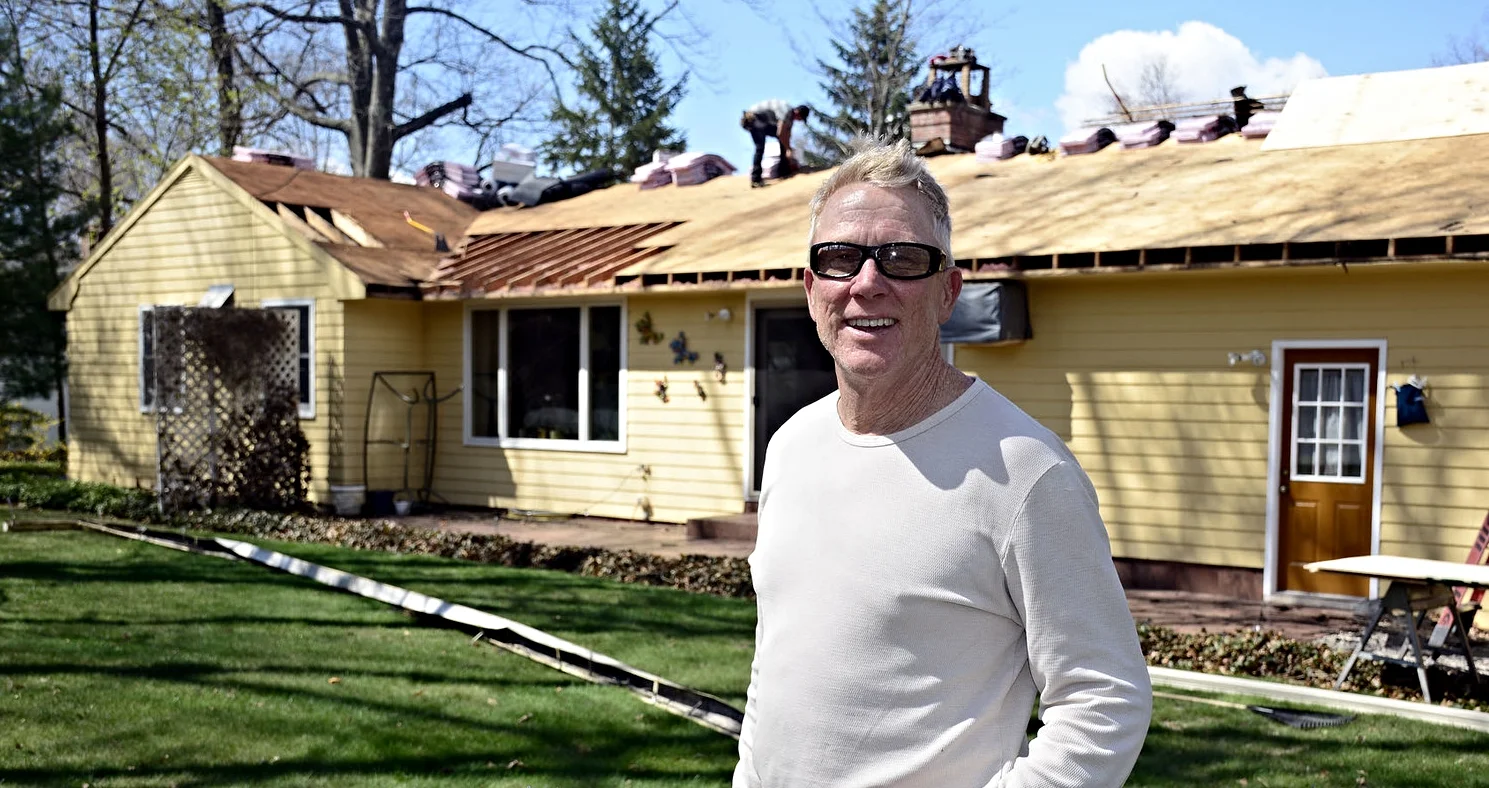
O'Donnell Bros President, Bob O'Donnell, is a regular contributor to The Bristol Press. Read his home improvement articles here.


Filtering by Tag: hurricane

A Home Maintenance Checklist After a Storm

Chelsea O'Donnell

If your neighborhood looked anything like ours after last week’s storms, you’ve probably spent more time than you planned dragging branches to the curb, filling yard waste bags, or listening to chainsaws in the distance.

Central Connecticut took a pretty good beating. High winds and heavy rain left plenty of downed trees, broken limbs, and debris scattered across neighborhoods. Thankfully, many homeowners escaped with only minor damage, but storms like these are also a good reminder that your home’s exterior takes more of a beating than you might realize.

Once you’ve finished cleaning up the obvious mess, it’s worth taking a few extra minutes to walk around your property. A quick inspection now can help you catch small issues before they turn into expensive repairs later.

1. Start with Your Roof

Before you even grab a ladder, take a slow walk around your house and look up. You’re looking for anything that seems out of place such as missing shingles, lifted ridge caps, damaged flashing around chimneys or vents, or branches that may have scraped across the roof.

Not every problem is obvious from the ground, but if something catches your eye, don’t ignore it. Even a small area of damage can allow water to work its way underneath the roofing materials, and the leak often doesn’t show up until the next heavy rain.

2. Give Your Gutters Some Attention

After a storm, gutters have a way of collecting everything from leaves and twigs to pine needles and seed pods. Once they’re clogged, they can’t do the job they’re designed to do.

Instead of carrying water away from your home, overflowing gutters can send water behind your siding, damage fascia boards, wash out landscaping, or even contribute to water finding its way into your basement.

If you’ve already been outside cleaning up branches, this is the perfect time to make sure your gutters and downspouts are clear and draining properly.

3. Don’t Forget the Trees That Stayed Standing

Most people notice the branches that came down. The ones that are still hanging overhead deserve just as much attention.

Look for cracked limbs, split trunks, or branches that are now hanging over your roof or rubbing against your siding. Storms often weaken trees without bringing them down immediately, which means the next windy day could finish the job.

If you have mature trees close to your home, it’s worth having an arborist take a look if anything seems questionable.

4. Walk the Outside of Your Home

Wind doesn’t have to knock something over to cause damage. Flying debris can loosen siding, crack trim, or damage the caulking around windows and doors.

Take a slow walk around your home and look closely. Small gaps may not seem like a big deal today, but they can allow water, insects, and moisture to find their way inside over time. Catching those little problems early is almost always easier and less expensive than waiting until they become major repairs.

5. Keep an Eye Out for Hidden Water Damage

Not every storm leaves behind obvious damage. Sometimes the warning signs don’t appear for several days.

Over the next week or two, keep an eye out for new water stains on ceilings, damp spots in the attic, peeling paint, musty odors, or discoloration around windows. Those subtle changes are often the first indication that wind-driven rain found a way into your home.

The earlier you catch a leak, the simpler and less costly the repair is likely to be.

6. Use This as a Chance to Get Ahead

One thing we’ve learned over the past several years is that severe weather isn’t as unusual as it once seemed. Strong storms have become part of life here in Connecticut, and the best time to prepare for the next one is while this one is still fresh in your mind.

Ask yourself a few simple questions. Are tree branches hanging over your roof? Are your gutters getting old? Is your roof nearing the end of its life? Are your windows and siding still doing the job they were designed to do?

You don’t have to tackle every project this season, but having a plan is always better than being caught off guard.

Once the branches are piled at the curb and your yard starts looking like itself again, spend just a little more time giving your home a careful once-over. A few minutes of maintenance today can help prevent a much bigger headache tomorrow.

Bob O’Donnell is the owner of O’Donnell Bros. Inc., a Bristol-based home improvement company established in 1975. Email your questions for Bob to info@odonnellbros.com with the subject line “Ask the Pro.” All questions may be considered for publication. To contact Bob for your remodeling needs, call O’Donnell Bros. Inc. at (860) 589-5155 or visit www.odonnellbros.com. Advice is for guidance only.


A Storm Prep Kit Is Essential All Year Round

Chelsea O'Donnell

We dodged what could have been a very serious storm last weekend, but don’t think that we’re out of the woods just yet. An active Atlantic hurricane season won’t officially end until November 30th, right around the time that snow can start showing up. So how can you be prepared for a storm of any kind? Here are a few of my favorite supplies. 

  1. Portable Generator. When a storm knocks the power out, a generator can be a lifesaver. But a permanent one can be costly. Instead, why not invest in a portable generator that can easily be stored in the garage? Many of the models on the market today are lightweight, efficient, and can handle multiple appliances and electronics at once. 

  2. Gas. While gas is essential to run a generator, it’s smart to make sure you have a full tank in your car and a backup can in the garage in case of an emergency. If the power goes out for any length of time, you might need your car for heat, air, or even as a charging station. 

  3. Ice. While you’re at the gas station, pick up a few bags of ice to store in the freezer. Food will keep cold in a closed refrigerator for four hours, but after that, time starts ticking. I also recommend getting some dry ice packs, which can be stored anywhere and will only get cold once activated. They don’t stay chilled for long, but they can really come in handy short-term for essentials like medication.

  4. Batteries. A lot of people love rechargeable batteries but if the power goes out and you don’t have a way to recharge them, they are pretty much useless. Keep a pack or two of standard batteries for your flashlights and essentials. 

  5. Water. This is probably the most obvious one, but well worth a mention. If for any reason you lose access to clean drinking water, having a stash is always a good idea. Before a storm hits, it’s also smart to fill your bathtub so you have access to non-potable water for flushing, washing, and cleaning.

  6. Food. Yes, you want to make sure you have food in the house, but don’t go too crazy. If you lose power, you’ll likely end up throwing out a lot of what you bought, so instead focus on pantry items with a long shelf life.

  7. Chargers. Keep all essential items such as phones and computers fully charged, and consider purchasing a portable charging bank as a backup. Just don’t forget to keep that backup charged as well.

  8. Battery-powered radio. We are all so used to the internet that it seems almost impossible to get news any other way. If you’re left without power and WiFi and you rely on the interweb, you’ll really understand the meaning of feeling disconnected. A battery-powered radio will ensure you can get news and emergency communications.

  9. Emergency contacts. Write your emergency contacts on a piece of paper and store them in a safe place. Keeping the phone numbers for police, fire, medical, and power companies will ensure you can reach them if you need to. 

  10. A small rake. Yes, that’s what I said. From hurricanes to snowstorms, one of the biggest causes of property damage is flooding. By keeping drainage clear, you’re more likely to direct water away from your home and flowing the way it should be. A rake or shovel is a handy tool to get rid of excess debris that might be clogging downspouts or streetside drainage. 


Bob O’Donnell is the owner of O’Donnell Bros. Inc., a Bristol-based home improvement company established in 1975. Email your questions to info@odonnellbros.com with the subject line “Ask the Pro.” All questions may be considered for publication. To contact Bob for your remodeling needs, call O’Donnell Bros. Inc. at (860) 589-5155 or visit http://www.odonnellbros.com. Advice is for guidance only.

Wind Damage Tips To Prepare Your Home for Future Storms

Chelsea O'Donnell

This week’s wild weather was not to be taken lightly. I’ve had calls from all over the area to fix roofs, repair gutters, and replace siding that was damaged. While high winds aren’t very common, they can cause major headaches for homeowners, especially those who have to go through the process of making an insurance claim. With that being said, here are my six tips for “weathering the storm” that inevitably comes with unanticipated damage to your home.

Check your policy now

Every insurance policy is unique and it’s really important to review your coverage annually to make sure you’re up to date with the inclusions and exclusions. Most homeowner's policies cover damage due to wind but other storm-related issues such as flooding are usually not part of the deal. The State of Connecticut Insurance Department has a basic homeowner’s storm damage FAQ on their website, but because all policies and insurers are different, it’s worth talking to your agent.

Be very careful

Damage can’t always be seen, so it’s important to exercise extreme caution. Inspect the power lines around your home as well as the trees. Even if nothing is down now, a broken limb could fall later, so it’s better to be diligent. Also, be sure to watch for leaks in the days and weeks after bad weather. High winds often rip off shingles, leaving roofs exposed to water. 

Make use of your camera

The most common types of storm-related damage are to roofs, windows, siding, and windows. As you inspect your home, take photos or everything and don’t move anything unless it's necessary. Video is also a great way to document any potential damage. The more evidence that you have, the better off you’ll be when you go to make an insurance claim. 

Call your insurance company

Once you’ve assessed any potential damage, you can get in touch with your insurance provider. Do this as soon as possible and be ready with all the documentation that you’ve collected. Your insurer will be able to assess the damage to your home and help you understand what's covered by your policy. They’ll also connect you to a claims agent if required.

Make repairs

After you’ve reported any damage, it’s time to clean up. Leaving exposed areas uncovered and not fixing leaks will create much bigger issues, so be sure to clear and patch any problem spots. Do not ever try to touch downed power lines or electrical equipment - report those to your electricity provider or even your town’s fire department. 

Hire a good, local contractor

Believe it or not, there are some hacks out there who chase storm damage, taking advantage of homeowners who need a fast fix. Don’t fall for these traps - look for someone local, reputable, who has a good track record, and is fully licensed and insured. The Better Business Bureau is a great place to get started.

Bob O’Donnell is the owner of O’Donnell Bros. Inc., a Bristol-based home improvement company established in 1975. Email your questions to info@odonnellbros.com with the subject line “Ask the Pro.” All questions may be considered for publication. To contact Bob for your remodeling needs, call O’Donnell Bros. Inc. at (860) 589-5155 or visit http://www.odonnellbros.com. Advice is for guidance only.