Contact Us

Please feel free to get in touch to ask a question, schedule an appointment or give us your feedback. We look forward to hearing from you. 

17 Divinity St
Bristol, CT, 06010
United States

8605895155

Since 1975, O'Donnell Bros has been providing greater Bristol and Central Connecticut with residential and commercial remodeling solutions. We specialize in roofing, siding, windows, doors, gutters, downspouts and so much more. We look forward to helping you with all your remodeling needs. 

HomeImprovement-PT-050114_9032 (1).jpg

Articles

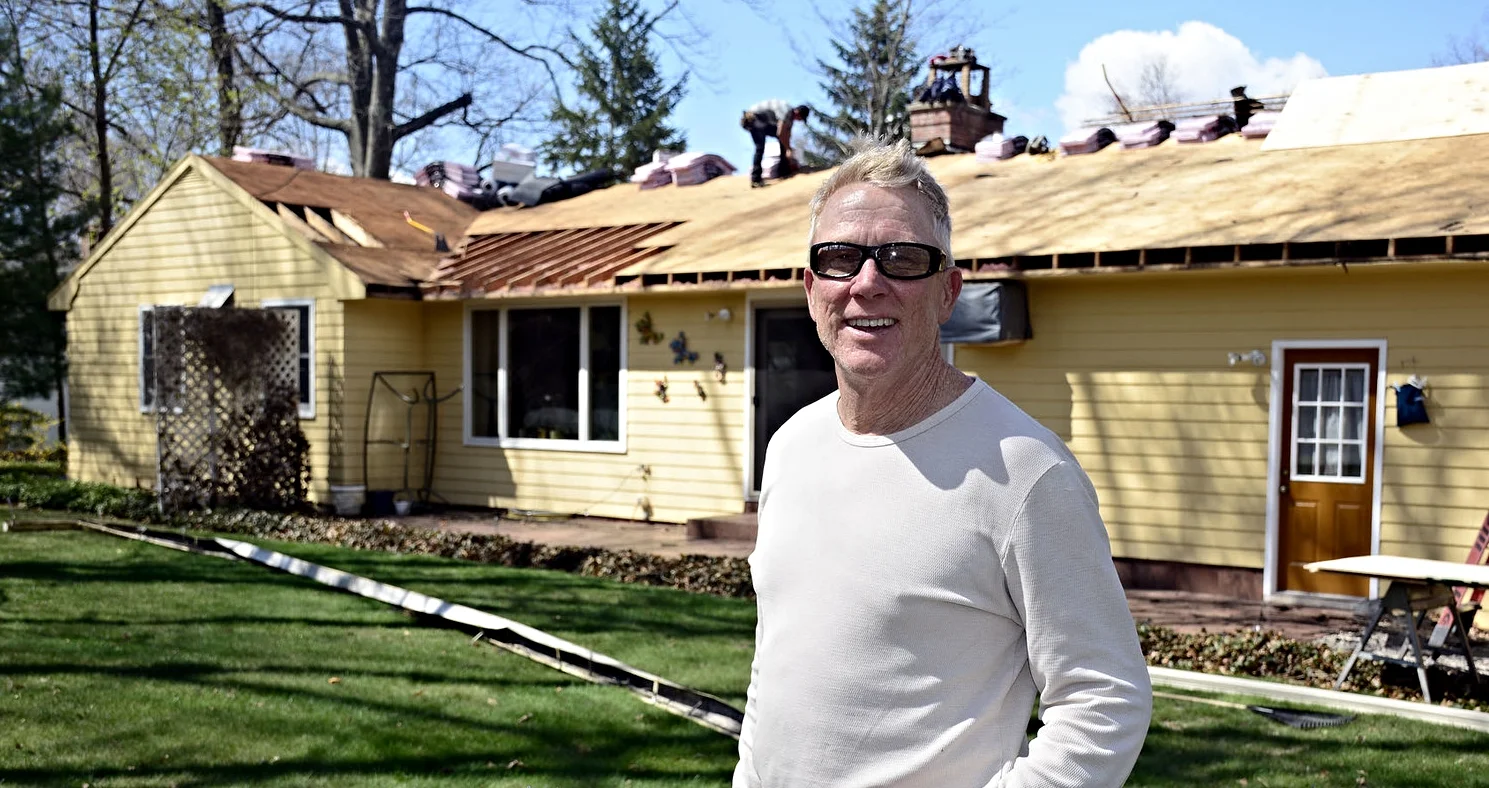
O'Donnell Bros President, Bob O'Donnell, is a regular contributor to The Bristol Press. Read his home improvement articles here.


Filtering by Tag: snow

Ice Dam Prevention This Winter

Chelsea O'Donnell

If this winter feels unpredictable, you’re not wrong. We’ve been experiencing a familiar but frustrating pattern: cold temperatures and snow followed by milder daytime weather, then freezing again overnight. That constant freeze-thaw cycle is the perfect recipe for ice dams, even in years when snowfall totals are relatively modest.

Ice dams form when snow accumulates on a roof and begins to melt during warmer daytime temperatures. Heat escaping from the home, often through an under-insulated attic, warms sections of the roof just enough to melt the snow. The water then runs down toward the eaves and gutters, where roof temperatures are colder. As nighttime temperatures drop, that water refreezes. When this melting and refreezing happens repeatedly, a thick ridge of ice builds up along the roof edge, creating an ice dam.

These icy barriers don’t just sit harmlessly at the edge of your roof. They block proper drainage, forcing melting snow to back up under shingles. That water can seep into the attic, soak insulation, stain ceilings, damage walls, and create conditions that encourage mold growth. The weight of the ice itself can also pull gutters away from the house or loosen shingles, opening the door to even more water damage.

Homeowners should watch for early warning signs. Large icicles hanging from gutters, uneven snow melt across the roof, or water stains appearing on interior walls during winter are all indicators that heat is escaping and ice dams may be forming.

When ice dams appear, many homeowners are tempted to take matters into their own hands, but this is where things often go wrong. One of the most common mistakes is hacking away at ice with a shovel, axe, or ice chopper. While it may feel productive in the moment, this can easily damage shingles, puncture the roof, or dent gutters, leading to repairs that cost far more than the ice dam ever would have. Another risky approach is climbing onto an icy roof without proper safety equipment. Slips and falls are a serious hazard during winter and can result in severe injury.

Chemical deicers can also cause problems if used improperly. Products not designed specifically for roofs may damage shingles, kill nearby landscaping, or corrode metal gutters. Even roof-safe deicing products should be used cautiously and viewed as a temporary measure, not a long-term solution.

The real fix for ice dams isn’t on the roof at all. It starts in the attic. Proper insulation and ventilation help keep roof temperatures consistent, preventing snow from melting unevenly in the first place. Unfortunately, more than 75% of New England homes are under-insulated, often because they were built before modern energy standards were in place. As a result, heat escapes easily, setting the stage for ice dam formation.

Improving insulation helps keep warm air inside the living space where it belongs, while proper ventilation allows cold air to circulate in the attic and keeps the roof surface cold. Together, these upgrades not only reduce the risk of ice dams but also improve comfort year-round and lower energy bills. They can also help reduce moisture buildup in the attic, decreasing the likelihood of mold and mildew.

With today’s increasingly unpredictable winter weather, ice dams are no longer just a problem after major snowstorms. Repeated freeze-thaw cycles mean they can form quickly and unexpectedly. Addressing insulation and ventilation now, before damage occurs, is one of the smartest investments a homeowner can make.

Bob O’Donnell is the owner of O’Donnell Bros, Inc., a Bristol-based home improvement company established in 1975. Email your questions for Bob to info@odonnellbros.com with the subject line “Ask the Pro.” All questions may be considered for publication. To contact Bob for your remodeling needs, call O’Donnell Bros, Inc. at (860) 589-5155 or visit www.odonnellbros.com. Advice is for guidance only.

Get Your House Ready for Winter

Chelsea O'Donnell

With the forecast settling into chillier temperatures, it’s time to talk about getting our homes ready for the cold before the thermometer drops below freezing. After all, there’s nothing worse than not being ready when the first proper snowfall comes our way. So without further ado, here are my top five tips for pre-winter preparation at home:

Take a picture of your roof.

We’ll start with an easy one. Go outside and snap a photo of your roof from each direction. Wondering why? When we get a massive snowfall, I usually recommend that people get their roofs shoveled. Removing the snow helps to reduce the risk of leaks and other damage to your home. But when the snow is very deep, it’s impossible to see the pipes, skylights, and other parts and pieces that stick up out of the roof. Keeping a picture of the clean surface is a great way to minimize the probability of an accident when you’re trying to prevent damage in the first place.

Stake the driveway.

Speaking of damage prevention, stop by the local hardware store and get some property markers. They are generally made of wood or metal and are sometimes painted in a fluorescent color. Use the markers to create an outline around your driveway. Just like your roof, when a blanket of snow hits, it’s impossible for a removalist to see where the driveway ends and where your lawn begins. Creating that parameter will help the plow truck driver know where to go, which should assist in keeping your curbs and grass intact.

Check your heat and air sources.

Don’t wait until you really need heat to make sure that everything is in working order. Clean or replace your HVAC filters and check the temperature gauge to make sure you can power up and down with no problems. If you haven’t already, now is definitely the time to remove those window A/C units and check and clean those filters too. While you’re at it, make sure your carbon monoxide detectors are working and change the batteries if necessary.

Seal up leaks.

I get calls all winter long from people who are wondering why their house is so drafty. If you have an attic hatch, install an insulated box to prevent the cold air from coming down into your living space. Check all your windows and doors for gaps and use weatherstripping, foam, or insulation to seal them tight. If you have a fireplace that you don’t use, get that covered too. Any passageways from the inside to the outside can act as wind tunnels when the frigid winter air comes calling.

Clean those gutters.

If your gutters are full of autumn leaves and debris, it will prevent winter water from flowing off the roof and down away from the foundation. If water has nowhere to go, it will refreeze in your gutters and at the base of your roof, resulting in dangerous ice dams and potential leaks. If you don’t want to do this dirty job yourself, schedule a pro to handle it for you. It will be worth it.

If you do just these five things, you’ll be in much better shape when the wicked weather decides to settle in. Plus it’s much more pleasant to get these jobs out of the way before it’s too cold and snowy to bother. Happy Thanksgiving!

Bob O’Donnell is the owner of O’Donnell Bros. Inc., a Bristol-based home improvement company established in 1975. Email your questions to info@odonnellbros.com with the subject line “Ask the Pro.” All questions may be considered for publication. To contact Bob for your remodeling needs, call O’Donnell Bros. Inc. at (860) 589-5155 or visit http://www.odonnellbros.com. Advice is for guidance only.

Watch for Ice Dams

Chelsea O'Donnell

With a week of snow, ice, and temperatures all over the place, it’s a great time to remind homeowners about ice dams. 

Ice dams occur when the heat from the inside of a house melts the snow on the roof, causing water to run down and refreeze at the edge of the roof. Over time, this can create a thick layer of ice that can cause damage to the roof and even leak into the house.

The first sign of an ice dam is often the formation of icicles on the edge of the roof. While icicles may look pretty, they are a warning sign that water is not draining properly and may be backing up under the roof shingles. Other signs of an ice dam include water stains on the ceiling or walls, peeling paint or wallpaper, and damp insulation.

Preventing ice dams is much easier than dealing with them after they form. Here are some steps you can take to make sure your home isn’t susceptible to the problem:

  1. Keep your gutters clean. Gutters filled with debris can cause water to overflow and freeze on the edge of the roof, leading to ice dam formation.

  2. Insulate your attic. A well-insulated attic will keep the heat inside your house from melting the snow on the roof.

  3. Ventilate your attic. Proper ventilation will help prevent heat buildup in the attic, which can contribute to ice dam formation.

  4. Consider installing an ice and water shield. This is a type of roofing material that is designed to prevent water from seeping into the house if an ice dam forms.

If you already have an ice dam, there are a few things you can do to remove it:

  1. Use a roof rake to remove snow from the edge of the roof. This can prevent more water from backing up and freezing.

  2. Fill a pair of pantyhose with calcium chloride ice melt and lay it across the ice dam. This can help melt the ice and create a channel for water to escape.

  3. Hire a professional. Removing an ice dam can be dangerous, especially if you have to climb on a ladder or walk on a slippery roof. It's best to leave this job to the professionals.

Ice dams are both a common and serious issue that can cause damage to your roof and home. Taking steps to prevent ice dams from forming is the best way to avoid this problem. If you do have an ice dam, there are ways to remove it, but it's important to be cautious and seek professional help if necessary.

Bob O’Donnell is the owner of O’Donnell Bros. Inc., a Bristol-based home improvement company established in 1975. Email your questions to info@odonnellbros.com with the subject line “Ask the Pro.” All questions may be considered for publication. To contact Bob for your remodeling needs, call O’Donnell Bros. Inc. at (860) 589-5155 or visit http://www.odonnellbros.com. Advice is for guidance only.