Contact Us

Please feel free to get in touch to ask a question, schedule an appointment or give us your feedback. We look forward to hearing from you. 

17 Divinity St
Bristol, CT, 06010
United States

8605895155

Since 1975, O'Donnell Bros has been providing greater Bristol and Central Connecticut with residential and commercial remodeling solutions. We specialize in roofing, siding, windows, doors, gutters, downspouts and so much more. We look forward to helping you with all your remodeling needs. 

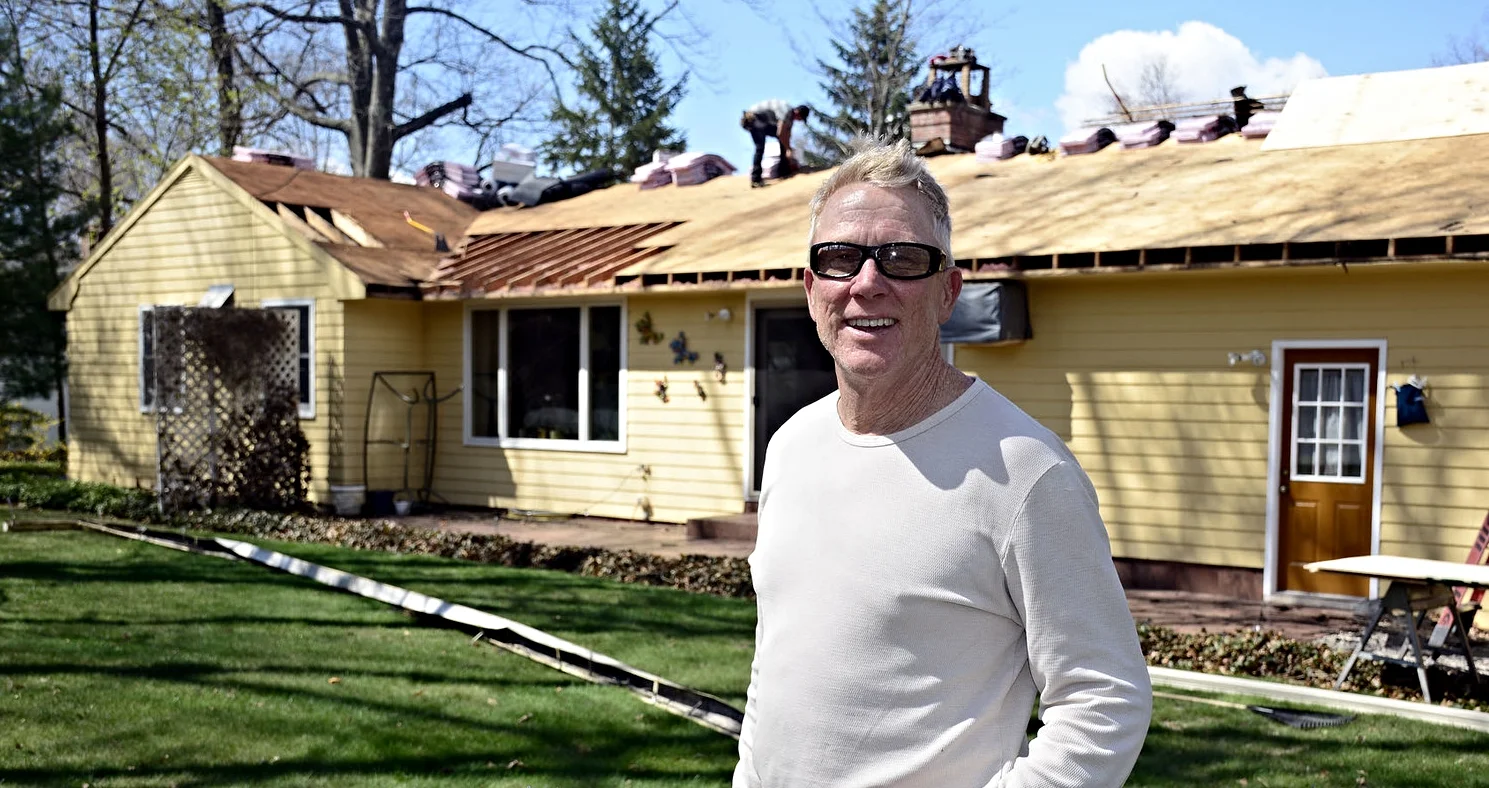
HomeImprovement-PT-050114_9032 (1).jpg

Articles

O'Donnell Bros President, Bob O'Donnell, is a regular contributor to The Bristol Press. Read his home improvement articles here.


Filtering by Tag: ventilation

When (and How) to Shovel Your Roof After Heavy Snow

Chelsea O'Donnell

If it feels like we’ve been living inside a snow globe lately, you’re not imagining it. Connecticut has taken a serious beating this week, and while most of us have been focused on clearing driveways and walkways, there’s another place snow quietly causes trouble: your roof.

Last week, we talked about ice dams, those thick ridges of ice that form along the roof edge and trap melting snow, often forcing water back under shingles. One of the best ways to prevent ice dams is also one of the most overlooked winter maintenance tasks: roof shoveling.

So when should you shovel your roof, why does it matter, and how do you do it safely (or decide not to do it yourself at all)?

When to shovel your roof

There’s no hard-and-fast rule like “six inches equals shovel time,” but there are some clear signals. If your roof has accumulated a foot or more of snow, especially heavy, wet snow, it’s worth paying attention. The same goes if you’re seeing icicles forming along the eaves, uneven snow melt, or signs of ice dams starting to build.

Older homes, homes with flatter or low-pitch roofs, and houses with less insulation or ventilation tend to be more vulnerable. And if we’re in one of those cycles where snow melts during the day and refreezes at night (hello, New England winter), snow buildup becomes more than just a cosmetic issue. It becomes a structural and water-infiltration risk.

Why roof shoveling matters

Snow is deceptively heavy. A roof holding several inches of wet snow can be supporting thousands of extra pounds. Over time, that stress can contribute to sagging, cracks, or long-term damage, especially if your roof was already nearing the end of its lifespan.

But the bigger issue for many homeowners is water. Snow melts, water moves, and when it refreezes at the roof edge, it has nowhere to go. That’s how you end up with leaks, stained ceilings, peeling paint, and mold growth, sometimes weeks after the snow is gone.

Roof shoveling reduces the amount of snow available to melt and refreeze, helping to prevent the ice dam cycle we talked about last week before it starts.

How to shovel your roof safely

If you’re going the DIY route, safety comes first. You should never climb onto a snow-covered roof. Instead, use a roof rake with a long extension and work from the ground. Pull snow down gently, starting at the roof edge and working upward a few feet at a time.

The goal isn’t to scrape the roof bare. In fact, you don’t want to. Leave a thin layer of snow to avoid damaging shingles. And always be aware of what’s below—snow and ice come down fast and heavy, and no one wants a surprise avalanche landing on them or their landscaping.

If your roof is steep, high, or difficult to access, or if ice has already formed, that’s your cue to stop.

When to call a professional

There’s no prize for doing this yourself. Roof shoveling can be dangerous, and every winter, people get hurt trying to save a few dollars. A professional has the right tools, safety equipment, and experience to remove snow and ice without damaging your roof or themselves.

Many local home improvement companies like ours offer roof shoveling during heavy snow seasons. We already understand roofing systems inside and out, can assess whether snow removal is necessary and handle it safely when it is. That kind of experience matters, especially when ice dams or existing roof issues are in play.

Roof shoveling isn’t something most homeowners think about until there’s a problem. But paired with good insulation, ventilation, and awareness (like spotting ice dams early), it’s one more way to protect your home during a tough Connecticut winter.

If you’re unsure whether your roof needs attention, trust that instinct or call a pro. It’s always better to address snow buildup proactively than to deal with water damage once everything melts.

Bob O’Donnell is the owner of O’Donnell Bros. Inc., a Bristol-based home improvement company established in 1975. Email your questions for Bob to info@odonnellbros.com with the subject line “Ask the Pro.” All questions may be considered for publication. To contact Bob for your remodeling needs, call O’Donnell Bros. Inc. at (860) 589-5155 or visit http://www.odonnellbros.com. Advice is for guidance only.

Ice Dam Prevention This Winter

Chelsea O'Donnell

If this winter feels unpredictable, you’re not wrong. We’ve been experiencing a familiar but frustrating pattern: cold temperatures and snow followed by milder daytime weather, then freezing again overnight. That constant freeze-thaw cycle is the perfect recipe for ice dams, even in years when snowfall totals are relatively modest.

Ice dams form when snow accumulates on a roof and begins to melt during warmer daytime temperatures. Heat escaping from the home, often through an under-insulated attic, warms sections of the roof just enough to melt the snow. The water then runs down toward the eaves and gutters, where roof temperatures are colder. As nighttime temperatures drop, that water refreezes. When this melting and refreezing happens repeatedly, a thick ridge of ice builds up along the roof edge, creating an ice dam.

These icy barriers don’t just sit harmlessly at the edge of your roof. They block proper drainage, forcing melting snow to back up under shingles. That water can seep into the attic, soak insulation, stain ceilings, damage walls, and create conditions that encourage mold growth. The weight of the ice itself can also pull gutters away from the house or loosen shingles, opening the door to even more water damage.

Homeowners should watch for early warning signs. Large icicles hanging from gutters, uneven snow melt across the roof, or water stains appearing on interior walls during winter are all indicators that heat is escaping and ice dams may be forming.

When ice dams appear, many homeowners are tempted to take matters into their own hands, but this is where things often go wrong. One of the most common mistakes is hacking away at ice with a shovel, axe, or ice chopper. While it may feel productive in the moment, this can easily damage shingles, puncture the roof, or dent gutters, leading to repairs that cost far more than the ice dam ever would have. Another risky approach is climbing onto an icy roof without proper safety equipment. Slips and falls are a serious hazard during winter and can result in severe injury.

Chemical deicers can also cause problems if used improperly. Products not designed specifically for roofs may damage shingles, kill nearby landscaping, or corrode metal gutters. Even roof-safe deicing products should be used cautiously and viewed as a temporary measure, not a long-term solution.

The real fix for ice dams isn’t on the roof at all. It starts in the attic. Proper insulation and ventilation help keep roof temperatures consistent, preventing snow from melting unevenly in the first place. Unfortunately, more than 75% of New England homes are under-insulated, often because they were built before modern energy standards were in place. As a result, heat escapes easily, setting the stage for ice dam formation.

Improving insulation helps keep warm air inside the living space where it belongs, while proper ventilation allows cold air to circulate in the attic and keeps the roof surface cold. Together, these upgrades not only reduce the risk of ice dams but also improve comfort year-round and lower energy bills. They can also help reduce moisture buildup in the attic, decreasing the likelihood of mold and mildew.

With today’s increasingly unpredictable winter weather, ice dams are no longer just a problem after major snowstorms. Repeated freeze-thaw cycles mean they can form quickly and unexpectedly. Addressing insulation and ventilation now, before damage occurs, is one of the smartest investments a homeowner can make.

Bob O’Donnell is the owner of O’Donnell Bros, Inc., a Bristol-based home improvement company established in 1975. Email your questions for Bob to info@odonnellbros.com with the subject line “Ask the Pro.” All questions may be considered for publication. To contact Bob for your remodeling needs, call O’Donnell Bros, Inc. at (860) 589-5155 or visit www.odonnellbros.com. Advice is for guidance only.

Painting Over Mold? The Truth About ‘Quick Fixes’

Chelsea O'Donnell

Mold is unsightly, and I understand that nobody wants to stare at a dark, blotchy patch on their bathroom ceiling or basement wall. Sure, a quick coat of paint seems like an easy way to make the problem disappear. But here’s the thing about “quick fixes”: they’re rarely fixes at all. Especially when it comes to mold.

Painting over mold is one of those home myths that just won’t die. It looks better for a little while, sure. But underneath that shiny new layer of paint, the problem is still there and it’s growing, spreading, and getting ready to bubble its way back to the surface.

Let’s talk about why this happens, what it means for your home, and the right way to deal with it (so you’re not repainting again next month).

Why Paint and Mold Don’t Mix

Mold is a living organism, not a stain. It feeds on organic material like drywall paper, wood, dust, and anything else it can digest. It also thrives in damp, humid environments. When you paint over mold, you’re basically trapping that living organism under a layer of latex and giving it a warm, dark place to multiply.

Even paints labeled as “mold-resistant” don’t kill existing mold; they simply make it harder for new spores to take hold. Think of them as preventive, not curative. Once mold has already started to grow, those spores will continue doing what they do best - eating, spreading, and eventually breaking through the surface again.

That’s why the dark spots you “covered up” always seem to come back, no matter how many coats you roll on. You didn’t solve the problem. You just hid it temporarily.

The Real Risk Isn’t Just Cosmetic

Mold isn’t just an eyesore. Prolonged exposure to mold spores can aggravate allergies, trigger asthma, and cause respiratory irritation, especially in kids, older adults, and anyone with a compromised immune system. Even if your home’s air feels fine, hidden mold can create ongoing air quality problems that only get worse over time. And if it spreads into insulation, behind drywall, or under flooring, you’re looking at a much bigger repair bill later.

So no, it’s not “just a little spot.” It’s a sign of a deeper moisture issue that needs your attention.

How to Fix It the Right Way

Before you paint, you have to address two things: the mold itself and the source of the moisture that caused it. Here’s the right order of operations:

  1. Find the moisture source. Is there a roof leak, poor ventilation, a plumbing issue, or a condensation problem? Fix that first. Otherwise, the mold will just come back.

  2. Kill the mold. For small areas (less than 10 square feet), you can usually handle it yourself. Wear gloves, a mask, and goggles, and use a cleaner designed to kill mold, not just bleach. Bleach can discolor mold, making it look gone when it isn’t.

  3. Remove damaged material. If the mold has eaten into drywall, insulation, or wood, those materials need to go. Scraping and cleaning won’t cut it if the spores have taken root inside porous surfaces.

  4. Dry the area completely. Fans and dehumidifiers are your friends. Moisture left behind is an open invitation for mold to start over.

  5. Seal and repaint. Once the area is clean, dry, and sound, use a high-quality primer made for problem areas before painting. Products designed for bathrooms or basements help prevent future issues.

Prevent, Don’t Patch

Once you’ve done the hard work, prevention is your best defense. That means improving ventilation, keeping humidity below 50%, and addressing leaks immediately. It also means thinking long-term. Proper insulation, vapor barriers, and routine roof and gutter maintenance all play a role in keeping moisture (and mold) out.

Final Thoughts

Painting over mold might make things look better for a while, but it’s the home-improvement equivalent of spraying air freshener in a garbage can. The only real solution is to stop the problem at the source.

So, before you pick up that roller, step back, figure out what’s causing the moisture, and deal with the mold properly. It’ll save you time, money, and maybe even your lungs.

Bob O’Donnell is the owner of O’Donnell Bros. Inc., a Bristol-based home improvement company established in 1975. Email your questions to info@odonnellbros.com with the subject line “Ask the Pro.” All questions may be considered for publication. To contact Bob for your remodeling needs, call O’Donnell Bros. Inc. at (860) 589-5155 or visit http://www.odonnellbros.com. Advice is for guidance only.