Contact Us

Please feel free to get in touch to ask a question, schedule an appointment or give us your feedback. We look forward to hearing from you. 

17 Divinity St
Bristol, CT, 06010
United States

8605895155

Since 1975, O'Donnell Bros has been providing greater Bristol and Central Connecticut with residential and commercial remodeling solutions. We specialize in roofing, siding, windows, doors, gutters, downspouts and so much more. We look forward to helping you with all your remodeling needs. 

HomeImprovement-PT-050114_9032 (1).jpg

Articles

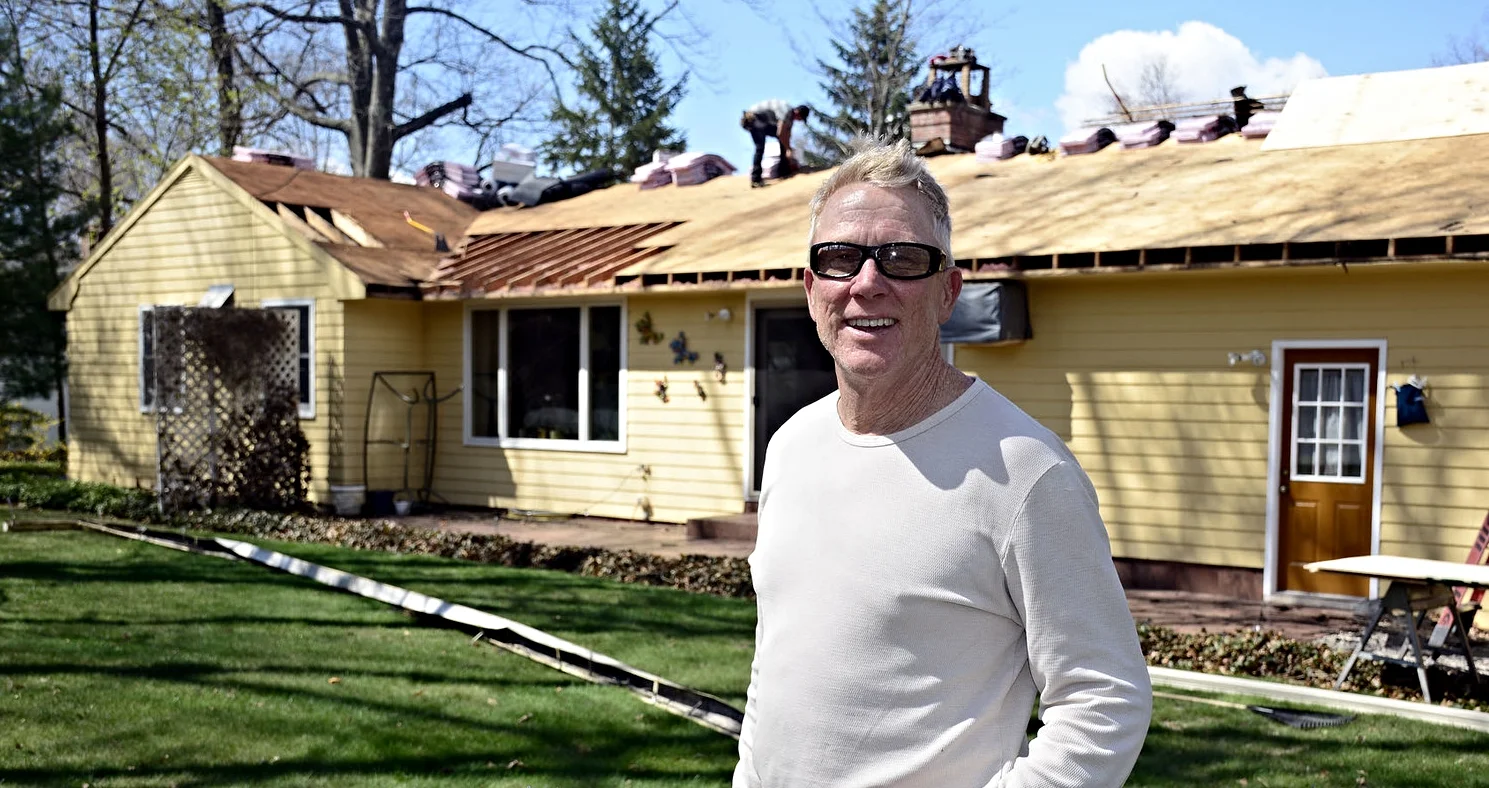
O'Donnell Bros President, Bob O'Donnell, is a regular contributor to The Bristol Press. Read his home improvement articles here.


Get Prepped for the Big Leaf Fall

Chelsea O'Donnell

Enjoy the incoming foliage while it lasts because before you know it, all those colorful leaves will be covering your lawn and clogging up your gutters. Yes, we all love the picturesque change of seasons, but the clean-up can be a killer. That’s why now is the time to get prepped and save your lower back some pain and suffering when those leaves start to fall.

In the winter months, gutters perform the very important function of carrying melted ice and snow away from the roof. They prevent ice dams and other wet weather issues that can cause leaks in your home. The problem is that if your gutters are clogged up with leaves, the water can’t properly drain, which means it will end up in one of three places. If it’s very cold, the water will freeze into dangerous, heavy icicles and ice dams which can pull your whole gutter system down. If it’s warm enough for the ice to melt, it will end up seeping into your roof, causing leaks in your attic, ceilings or walls. If there is a lot of water, it will overflow over the gutters and pour down into the foundation, causing leaks in the basement. None of these scenarios are cheap to fix, but they are all entirely preventable.

If you get a lot of falling leaves on your property, I recommend having gutter shields installed on your home today. Gutter shields can be made of metal mesh or plastic and can either work as a filter or a complete gutter cover. The type of guard you choose will depend on your home and needs, and installation can be done by a professional contractor in one day. For those of you who are handy around the house, you can even install them yourself -  provided you have safety equipment and feel comfortable on a roof. It’s important to note that if your gutters are very old or have been not been maintained properly, you may not be able to cover them.

If gutter shields aren’t an option for you, you can also get your gutters cleaned, which should be done at least twice a year.  Many homeowners tackle this job themselves but it can be both difficult and dangerous. If you’re not up to the task, I suggest hiring a professional who can not only clean the gutters but can also do a quick inspection to ensure everything is in good working order and ready for the winter. Whenever I do a gutter cleaning or gutter guard installation, I always look for leak warning signs and report them back to the homeowner so they are aware of any potential problems before they happen.

Once your gutters are ready for the leaves, you can think about your yard. Raking is one of my least favorite jobs around the house, so I use my sit-down mower to go around the grass, sucking up the leaves and chopping them up into mulch that we use in our garden. If you don’t mind doing the job manually, make sure you get a good ergonomic rake to protect your back and don’t fill your bags up to the point where you’re struggling to lift them. An autumn cleanup isn’t worth a trip to the emergency room.

Bob O’Donnell is the owner of O’Donnell Bros. Inc., a Bristol-based home improvement company established in 1975. Email your questions to info@odonnellbros.com with the subject line “Ask the Pro.” All questions may be considered for publication. To contact Bob for your remodeling needs, call O’Donnell Bros. Inc. at (860) 589-5155 or visit http://www.odonnellbros.com. Advice is for guidance only.

Say So Long To That Old Concrete Patio and Update Your Outdoor Space

Chelsea O'Donnell

Back in the 70’s and 80’s, pouring a concrete patio was an easy and inexpensive way to enjoy an outdoor living space with relatively little upkeep. But over time, that surface has likely begun cracking and crumbling, leaving you grumbling and wondering what to do to breathe new life into the backyard. Luckily, there are plenty of options that will allow you to give that old concrete patio a facelift without having to jackhammer it out and start all over again. Also, autumn is a perfect time to kick off a project like this because the weather is beautiful and you won’t have to forgo any summer fun to get the job done. So if that old concrete is giving you the heebie-jeebies, here are a few ideas to bring it up to date with the times:

Stain.

If your concrete is in good condition without a lot of cracks, a color treatment might be all you need to give it new life. Best of all, this is an easy do-it-yourself job that can be tackled in a day or weekend. Staining concrete works by breaking into the surface to create a different color or texture, so you’ll need to add a non-slip sealant to ensure the concrete stays strong. Also, never use an indoor product for outdoor purposes as they will make the concrete very slippery after rain. The most popular staining trend right now is transforming the cold gray color of concrete to a warmer, more natural reddish brown.

Scoring.

People love pavers because they break up a patio with more texture than one huge slab of concrete. You can achieve a similar look by scoring your current concrete and adding patterns and lines to mimic the look. This will require a professional who will come in and use a machine to cut one-quarter inch lines into the original pavement. What’s neat about scoring is that you can choose tons of different designs - from traditional square or rectangular shapes to diamond or intersecting lines. What I love about scoring is that you get a similar look to pavers without having to worry about weeds growing through the cracks.

Veneer pavers.

If you really love the look of pavers, it’s possible to lay thinner stone over your existing concrete slab, just as long as the finished height won’t cause any drainage or walking issues. It’s always a good idea to have a professional look at the property first to make sure you won’t have any problems down the track. If you have the height clearance for it, the project is simple and the veneer of your choice can simply be mortared onto the existing concrete for a whole new look. If your current concrete has visible cracking, this is a great way to cover it up, but if the patio is crumbling, you might need to have it repaired before going over it with a veneer.

Walls.

If you’re not into refinishing your concrete, you can create dimension by adding walls or fencing to the backyard. Creating individual spaces for dining, cooking, or lounging can be done with low walls which can double as seating, or higher walls to create privacy and intimacy. If you’re looking for a less expensive option, a trellis or vertical garden can be built to create a beautiful green wall in the warmer months. Even rows of potted palms will do the trick, plus they can be moved around depending on the different ways that you’ll be using your space.

No matter how you choose to update your concrete patio, there are plenty of options based on both your needs and budget. Do you have another idea that you’d like to try? I’d love to hear from you. Send me a message on Facebook at facebook.com/odonnellbros.

Bob O’Donnell is the owner of O’Donnell Bros. Inc., a Bristol-based home improvement company established in 1975. Email your questions to info@odonnellbros.com with the subject line “Ask the Pro.” All questions may be considered for publication. To contact Bob for your remodeling needs, call O’Donnell Bros. Inc. at (860) 589-5155 or visit http://www.odonnellbros.com. Advice is for guidance only.

No Way Hurricane Jose - Tips to Keep Your Family Safe During Hurricane Season

Chelsea O'Donnell

While Connecticut isn’t an area known for hurricanes, the storms that have left our southern neighbors in serious need of help had me thinking about how we should prepare our homes and families in the unlikely case that a major storm hits.

The Atlantic region hurricane season runs from June 1st through the end of November, so being prepared is still essential even as fall settles in. According to the National Weather Service, 12 tropical storms form in the Atlantic every season and half gain enough momentum to be categorized as a hurricane. Once a hurricane hits, there are three main risks that we face in our area: coastal flooding from storm surge, wind damage, and inland river flooding due to heavy rains. If Harvey, Irma, Maria, and Jose have taught us anything, it’s to be prepared. According to the state’s official emergency guide, every household should have the following list of items readily available and easily accessible in their homes:

  • One gallon of water per person per day for at least three days, for drinking and sanitation

  • At least a three-day supply of non-perishable food

  • Battery-powered or hand crank radio and a NOAA Weather Radio with tone alert and extra batteries for both

  • Flashlight and extra batteries

  • First aid kit

  • A whistle to signal for help

  • Garbage bags and plastic ties for personal sanitation

  • Wrench or pliers to turn off utilities

  • A manual can opener for food (if kit contains canned food)

  • Local maps

  • Cell phone with chargers, inverter or solar charger

  • Food and litter requirements for any pets

  • Medicine or any special need items, including diapers for infants

In addition to a safety kit, it’s also vital to sit down with your family and create a plan of action in the event that a storm does hit. Here are the most important topics to cover:

  1. Choose a safe place in your home where you can go if there is an emergency. Rooms with no windows are generally best.

  2. Choose two exit routes out of your home in case you have to leave.

  3. Pick two places for your family to meet in case you get separated. It’s a good idea to choose one place in your neighborhood and one place outside of your neighborhood.

  4. Write down the names, phone numbers, and email addresses of two emergency contacts that anyone in your family can contact in case you get separated. Choose one person in the state and one person out of the state.

  5. Have arrangements for a place that you can stay for a few days in case you can’t make it back to your home.

  6. Make a plan to keep your pets safe and have supplies ready for them.

  7. Know how to shut off all vital utilities in your home including gas, electricity, and water in case you are asked to do so.

  8. Make sure everyone knows the plan.

Too many of us decide to make storm preparation a priority when it’s too late. Visit the state’s Emergency Preparedness Resource Center at www.CT.gov to access all the information you need to keep your family safe and do yourself a favor - don’t wait.

Bob O’Donnell is the owner of O’Donnell Bros. Inc., a Bristol-based home improvement company established in 1975. Email your questions to info@odonnellbros.com with the subject line “Ask the Pro.” All questions may be considered for publication. To contact Bob for your remodeling needs, call O’Donnell Bros. Inc. at (860) 589-5155 or visit http://www.odonnellbros.com. Advice is for guidance only.