Contact Us

Please feel free to get in touch to ask a question, schedule an appointment or give us your feedback. We look forward to hearing from you. 

17 Divinity St
Bristol, CT, 06010
United States

8605895155

Since 1975, O'Donnell Bros has been providing greater Bristol and Central Connecticut with residential and commercial remodeling solutions. We specialize in roofing, siding, windows, doors, gutters, downspouts and so much more. We look forward to helping you with all your remodeling needs. 

HomeImprovement-PT-050114_9032 (1).jpg

Articles

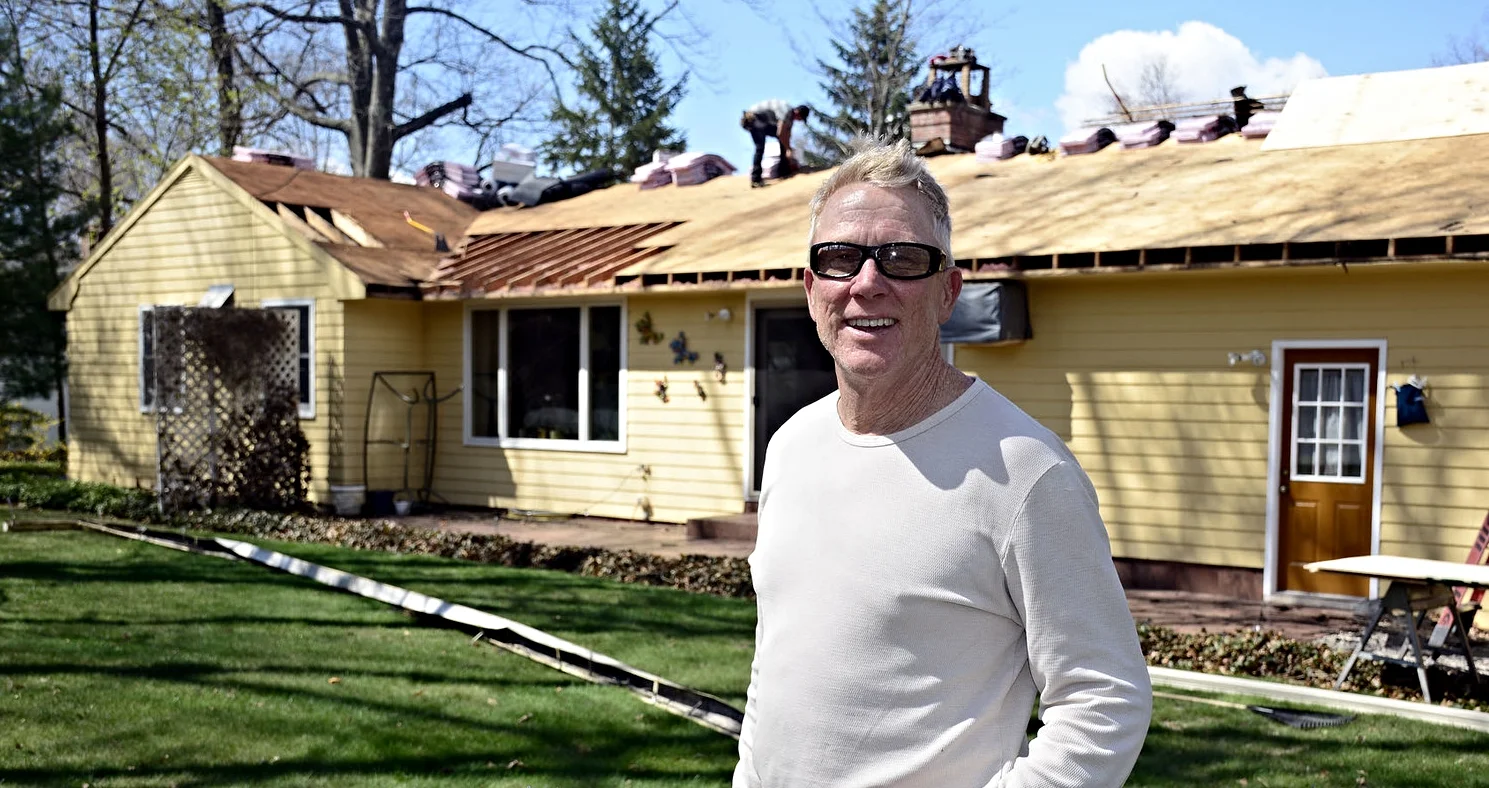
O'Donnell Bros President, Bob O'Donnell, is a regular contributor to The Bristol Press. Read his home improvement articles here.


Filtering by Tag: fall

Is Your Home Aging With You?

Chelsea O'Donnell

Many of us bought our homes when climbing stairs didn’t require a second thought and carrying laundry from the basement felt routine. The house was new, the layout worked, and maintenance seemed manageable.

Over time, both we and our homes have changed. Materials age. Design trends shift. And what once felt convenient may not feel quite as effortless as it used to. The good news is that you don’t need a major renovation to make your home safer and more comfortable for the years ahead. In fact, the smartest updates are often the simplest ones and they’re best made before they become urgent.

A good place to start is right at the front door. Entryways take a beating in New England. Freeze-thaw cycles shift walkways, railings loosen, and lighting fixtures dim or fail. Most household falls don’t happen during dramatic moments; they happen on familiar steps or uneven pavement. Repairing a loose railing, improving exterior lighting, or leveling a walkway may seem minor, but those small corrections make a meaningful difference in safety and confidence, especially during wet or icy months.

Bathrooms are another area worth rethinking. They’re also one of the most common places for accidents, yet many homeowners hesitate to make changes because they don’t want the space to feel clinical. Fortunately, today’s options allow for subtle, well-designed improvements. Grab bars can double as towel bars. Slip-resistant flooring blends seamlessly into modern tile designs. Low-threshold or curbless showers not only look updated, they remove one of the most common tripping points in the home. When these features are incorporated during a planned refresh, they feel like thoughtful upgrades,  not reactive fixes.

It’s also wise to consider how flexible your home’s layout really is. We’re not suggesting everyone relocate bedrooms tomorrow, but it’s worth asking whether your first floor could adapt if needed. Could a den serve as a temporary bedroom? Would relocating laundry to a more accessible area make daily life easier? Even small changes, like replacing round doorknobs with lever-style handles, can reduce strain and make everyday tasks more comfortable.

Lighting is another overlooked factor. As homes age, lighting often stays exactly as it was originally installed. Adding brighter, more evenly distributed light in stairwells, kitchens, garages, and basements improves visibility and reduces shadows. Under-cabinet lighting in a kitchen or motion-sensor lights in a garage aren’t luxury features; they’re practical improvements that make a home function better. Vision changes gradually over time, and thoughtful lighting adjustments help your home keep pace.

Beyond these updates, consistent maintenance becomes increasingly important in older homes. Loose deck boards, worn stair treads, aging caulking, cracked driveways, and deteriorating exterior trim rarely cause immediate problems, but they do compound over time. Staying ahead of those small issues prevents larger repairs later and preserves the integrity of the home you’ve invested in for decades.

One of the most common situations we see is homeowners waiting until something becomes difficult before addressing it and emergency renovations create stress and limit options. Gradual planning allows for better decisions, better design, and often better budgeting. Making small, steady improvements over time keeps you in control.

A well-built home should support you for decades. The goal isn’t to change everything at once, and it certainly isn’t to overreact to normal aging of the house or its owner. It’s simply to ensure that your home continues to work with you. With a little foresight and regular attention, your home can remain safe, comfortable, and enjoyable for many years to come. And that’s always worth planning for.

Bob O’Donnell is the owner of O’Donnell Bros. Inc., a Bristol-based home improvement company established in 1975. Email your questions to info@odonnellbros.com with the subject line “Ask the Pro.” All questions may be considered for publication. For remodeling or home improvement needs, call (860) 589-5155 or visit http://www.odonnellbros.com. Advice is for guidance only.

Tackle Fall Leaves the Smart Way

Chelsea O'Donnell

If you live in New England, you already know the drill: one day your lawn looks perfect, and the next it’s buried under a crunchy blanket of red, orange, and gold. While a few leaves can add charm, too many can smother your grass, invite pests, and cause slippery walkways. But before you grab the rake and start waging war, there’s a better, smarter way to manage your autumn cleanup.

The Case for Raking (and When to Do It)

When leaves pile up, they block sunlight and trap moisture, creating the perfect environment for mold, disease, and dead patches of grass. That’s why timing is everything. Start raking when about half your trees have dropped their leaves, and again right before the first snowfall. If you wait until every last leaf has fallen, you’ll end up with a soggy, compacted mess that’s harder to remove.

Dry days are your best friend. Wet leaves are heavier, stickier, and can quickly clog your rake. Choose a breezy, low-humidity afternoon, and work in sections so you’re not battling the whole yard at once.

Tools of the Trade

Not all rakes are created equal. A classic 24-inch plastic or poly rake is light, flexible, and easy on the back. Metal rakes are great for tough patches or wet leaves but can tear delicate turf. Some homeowners swear by “no-clog” rakes, which use tines spaced wider apart so leaves don’t stick.

If you want to save serious time, consider upgrading to a leaf blower or a mulching mower. A blower makes short work of large yards, while a mulching mower chops leaves into fine pieces that decompose right into your lawn, creating essentially free fertilizer.

Rake Smarter, Not Harder

Most people make one big mistake: raking randomly. Instead, start along your lawn’s perimeter and work inward, moving leaves onto a large tarp. When the tarp fills, drag it to your compost pile or curbside leaf collection. It’s faster and saves your back from hundreds of bending motions.

Use the wind to your advantage, not against it. Rake with the wind direction, not into it. And if your neighborhood allows curbside collection, check the schedule. There’s nothing worse than finishing your raking marathon only to watch your neatly raked piles blow around for two rainy weeks.

Mulch, Compost, or Bag?

Each option has its perks. Mulching leaves with your mower saves time, enriches your soil, and supports beneficial organisms in your lawn. Composting is another eco-friendly choice - just mix dry leaves with green materials like grass clippings or kitchen scraps for the perfect compost balance.

Bagging, while less sustainable, is sometimes unavoidable, especially if your town requires it. If so, look for biodegradable paper bags rather than plastic. Your local transfer station or public works department likely has them in stock.

Protect Your Lawn and Yourself

Don’t overlook safety and comfort. Wear gloves to avoid blisters, sturdy shoes for traction, and long sleeves to fend off scratches and ticks. Stretch before and after - yes, really - because leaf raking can burn up to 300 calories an hour. Think of it as an outdoor workout with built-in results.

When you’re done, give your lawn one final low-cut mow to keep it neat through winter. It’ll help prevent matting and give new spring grass room to grow.

When “Leaving the Leaves” Makes Sense

Here’s the good news: not every leaf has to go. A thin layer - an inch or less - can actually benefit your lawn and garden beds. It insulates soil, supports pollinators, and provides nutrients as it breaks down. The key is moderation: too many leaves smother grass, too few miss out on the natural benefits.

If you’ve got wooded or low-traffic areas on your property, consider leaving the leaves there entirely. It’s a small but powerful way to support local ecosystems and save yourself a few hours of weekend labor.

Fall cleanup doesn’t have to be a back-breaking battle. With the right timing, tools, and strategy, you can protect your lawn, help the environment, and maybe even enjoy more of the season in the process.

Is Fall Mold Creeping Onto Your Roof

Chelsea O'Donnell

As the crisp autumn air settles in and the leaves start to fall, most homeowners are focused on pumpkin decor and raking their yards. But there’s something sneaky that may be settling in overhead: roof mold. Yes, fall is prime time for mold to make itself at home on your shingles, and ignoring it could lead to bigger (and more expensive) problems down the road.

Let’s break down what roof mold is, why it thrives in the fall, and what you can do to kick it to the curb before it spreads.

Why Fall Is Mold’s Favorite Season

Mold is a fungus that loves moisture, shade, and organic debris - all of which come together perfectly during autumn in New England. Here’s why:

  • Falling Leaves: Leaves that land on your roof can trap moisture and block sunlight, creating damp, shaded pockets where mold thrives.

  • Cooler Temperatures: As temperatures drop, homeowners may not notice excess moisture buildup because it’s not evaporating as quickly.

  • Shorter Days: Less sunlight means less natural drying power for your roof.

  • Clogged Gutters: Leaf-filled gutters lead to poor drainage and water pooling on the roof. Mold eats this up, literally.

What Mold Does to Your Roof (It’s Not Just Ugly)

Roof mold might seem like just a cosmetic issue, until it isn’t. Here’s what can happen if mold takes hold:

  • Shingle Damage: Mold can deteriorate asphalt shingles and shorten your roof’s lifespan. It eats away at the granules that protect your roof from UV rays and weather damage.

  • Wood Rot: If moisture seeps beneath the shingles, it can lead to rotting of the underlying wood structures, threatening your roof’s structural integrity.

  • Insulation Issues: Mold creeping into your attic or insulation can ruin energy efficiency, sending your heating bills through the roof - pun intended.

  • Health Concerns: Mold spores can make their way into your home’s air, potentially triggering allergies, asthma, or other respiratory issues for your family.

How to Stop Fall Mold Before It Starts

The good news? Roof mold isn’t inevitable. With a little proactive maintenance, you can keep your roof mold-free all season long. Here’s how:

  1. Clean Your Roof (and Gutters)
    Leaves, twigs, and debris are mold’s favorite housewarming gifts. Clear your roof and gutters regularly, especially after a big wind or rainstorm.

  2. Check Your Attic Ventilation
    Poor airflow in the attic can trap moisture and encourage mold growth from the inside out. Make sure vents are clear and consider installing an attic fan if airflow is limited.

  3. Trim Back Overhanging Branches
    Shade is great for picnics, not for roofs. Cutting back branches allows more sunlight to hit your roof and dry up any lingering moisture.

  4. Inspect for Leaks and Damaged Shingles

    Take a walk around your home and look for signs of water damage, cracked shingles, or dark streaks. If you spot anything suspicious, call in a pro.

  5. Consider Copper or Zinc Strips
    These metal strips, installed near the peak of your roof, naturally kill mold and algae as rainwater washes down over them. It’s a smart investment for long-term mold prevention.

  6. Book a Professional Roof Inspection
    Fall is an ideal time to have a professional take a look. They can spot early signs of mold or damage you might miss from the ground.

When in Doubt, Call It Out

If you already see mold growing on your roof, don’t panic, but don’t ignore it either. DIY solutions may help with small patches, but for widespread or stubborn growth, it’s best to bring in the experts. Professional mold removal will ensure it’s safely and thoroughly taken care of, without damaging your roof in the process.

A clean, mold-free roof isn’t just about curb appeal. It’s about protecting your investment, your home’s structural integrity, and your family’s health. So this fall, while you’re sipping cider and enjoying the foliage, take a few minutes to look up. Your roof might be trying to tell you something.

Bob O’Donnell is the owner of O’Donnell Bros. Inc., a Bristol-based home improvement company established in 1975. Email your questions to info@odonnellbros.com with the subject line “Ask the Pro.” All questions may be considered for publication. To contact Bob for your remodeling needs, call O’Donnell Bros. Inc. at (860) 589-5155 or visit http://www.odonnellbros.com. Advice is for guidance only.