Contact Us

Please feel free to get in touch to ask a question, schedule an appointment or give us your feedback. We look forward to hearing from you. 

17 Divinity St
Bristol, CT, 06010
United States

8605895155

Since 1975, O'Donnell Bros has been providing greater Bristol and Central Connecticut with residential and commercial remodeling solutions. We specialize in roofing, siding, windows, doors, gutters, downspouts and so much more. We look forward to helping you with all your remodeling needs. 

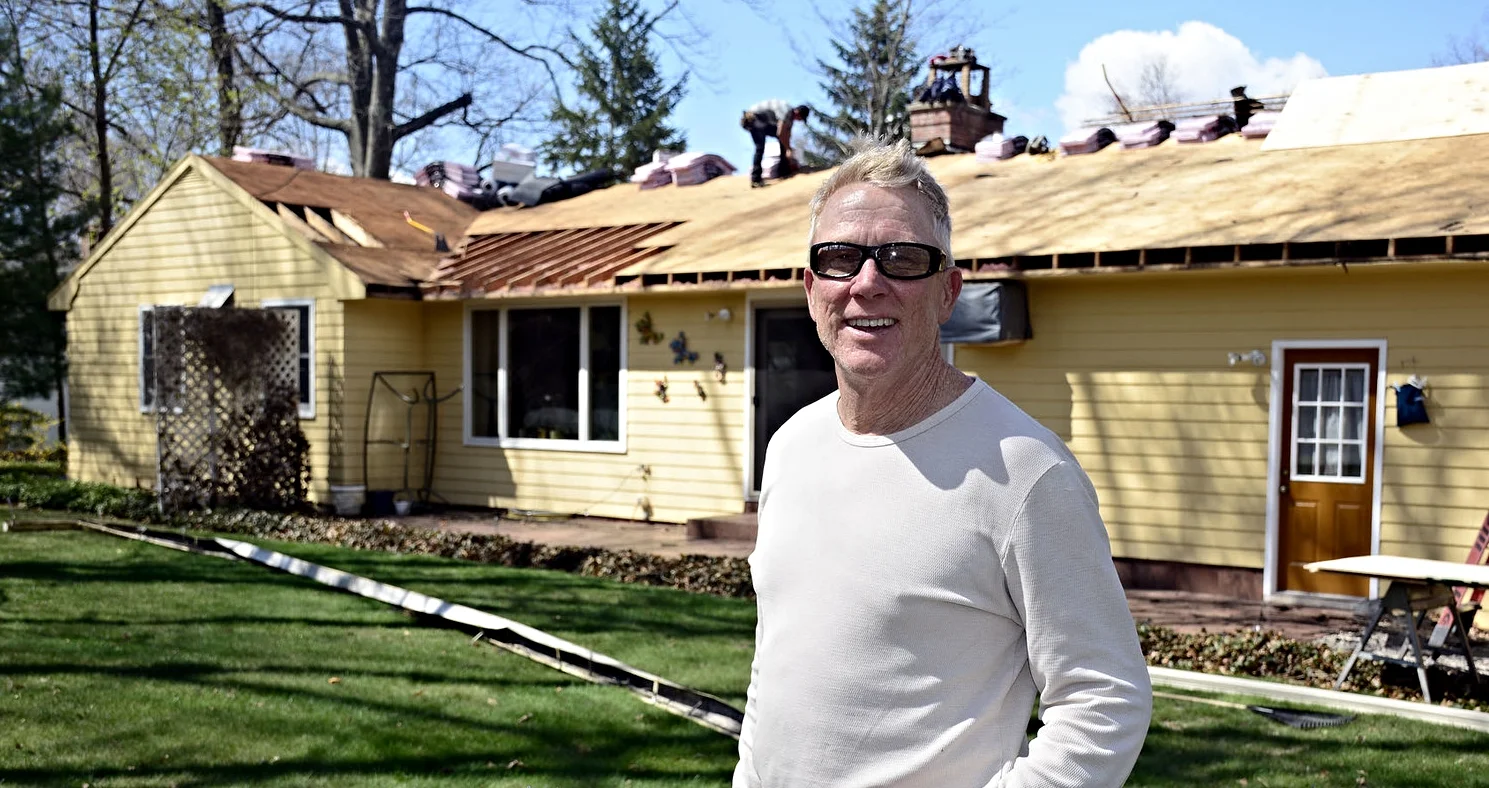
HomeImprovement-PT-050114_9032 (1).jpg

Articles

O'Donnell Bros President, Bob O'Donnell, is a regular contributor to The Bristol Press. Read his home improvement articles here.


Why Good Insulation is Key in the Summer Months

Chelsea O'Donnell

With a week of heat like the one we are having, homeowners with air conditioning have most certainly relied on its luxuries. But for all the comfort that cold air provides, running the A/C constantly over long periods of time can do a number on your energy bills. This is especially true if you live in a home with poor insulation. 

Most people think about the benefits of insulation during the winter but the truth is that a well-insulated home will benefit you all year round. As many of us know from school science class, heat rises, which is why the top floor and attic are always warmer than the bottom floor of a house. When an attic has no insulation, it will become significantly hotter than the outside temperature. Go ahead and touch the ceiling. If it feels warm, you can just imagine what the temperature is like above it. 

When your home doesn’t have enough insulation, those air conditioning units have to do double duty to regulate the temperature. Whether you have central air or window units, they are working overtime to keep you comfortable. All that extra effort gets reflected in your energy bills at the end of the month. 

There are several places where a home can get a boost in the insulation department. The attic is the place for the biggest improvement because it has the largest square footage and sees the greatest temperature changes. It’s also a place in the home that we tend to ignore because we’re not in there very often. Insulation options run from blowing loose fiberglass under the floor to laying batts between the floor joists. There are pros and cons to each option and they depend on the size of the house, the clearance space, and what the attic is used for. No matter which way you go,  a well-insulated attic is a pretty inexpensive home improvement and it will more than pay for itself in both energy costs and overall resale value.

In addition to the attic, ensuring that windows and doors are free of gaps and holes will help to keep your cold air inside. Check your door sweeps to see if they need replacing and seal any windows with caulk or sealing tape. Again, this is going to benefit your home both now and in the winter when you’re trying to keep the warm air in. 

Finally, for those of you with window A/C units, be sure to insulate around them. You can do this simply by using a flexible foam to get a good seal on the top and bottom of the unit. Also, those side curtains aren’t there for nothing. Make sure they are tight fitting and screwed in. They are there to help anchor the unit and keep the sides nice and secure. A window A/C that’s dropped in with no insulation is effectively only running at half power since so much of the cold air goes right back outside, so it’s worth taking the extra steps to do it right. 

Bob O’Donnell is the owner of O’Donnell Bros. Inc., a Bristol-based home improvement company established in 1975. Email your questions for Bob to info@odonnellbros.com with the subject line “Ask the Pro.” All questions may be considered for publication. To contact Bob for your remodeling needs, call O’Donnell Bros. Inc. at (860) 589-5155 or visit http://www.odonnellbros.com. Advice is for guidance only.

Tackling Humidity Hazards at Home

Chelsea O'Donnell

With a solid mix of heat, humidity, and rain so far this summer season, now is the perfect time to talk about what high moisture can do to your home. 

Let’s start with a bit of background on mold, which is the biggest threat to homes that hold a lot of humidity. Mold is made up of thousands of microscopic spores that travel through the air until they land on a surface. They love to live in places that hold water, which is why you often see mold growing on trees, roofs, and other places that stay warm and damp. Indoor mold generally develops after being carried in from the outdoors or because of a leak that hasn’t been remedied. Homes that tend to hold a lot of humidity are more susceptible to mold infestation, something that no homeowner wants to deal with. 

Many people can get sick from mold and mildew, especially children and the elderly. It grows and spreads incredibly quickly and cannot be contained without removing its food source, which is water. Once it settles inside a home, mold can cause illness, asthma, and a host of other respiratory issues that can affect a person’s health for life.

So how can you get rid of mold in your living space, or prevent it from making a home in yours? Here are my top tips.

  1. Run a dehumidifier in your basement constantly. I have an air-tight finished basement and I still run a dehumidifier 24/7. The goal here is to keep your air humidity at or below 50%. When it’s raining or super humid, don’t be surprised if you have to dump the water collection bucket twice a day. 

  2. Always use the extractor fan while showering or cooking. With so much water in the air from the weather, the last thing you want to do is add more moisture inside your home. Be sure that your fans vent outside, not in the attic. Otherwise, you’re just redirecting the moisture to another part of the house. 

  3. An air conditioner is not a dehumidifier. Yes it will remove some humidity but an air conditioner’s main function is to cool the air, rather than remove the water. If you find yourself running your A/C unit to control your humidity, you’re going to end up with an expensive energy bill and not too much to show for it.

  4. Store unused clothing and linens in airtight plastic. People often put winter clothes and bedding up in the attic, which can be a breeding ground for mold if the area is not ventilated properly. Keeping the attic vented is key, good airflow can slow or even prevent mold growth.

  5. Check the drainage around your home. Gutters should be clean and in working order and your landscaping should slope away from the foundation so you don’t have standing water at the base of your house. Make sure your downspouts extend at least four feet out and away from that foundation.

In short, a house with high humidity is nothing to ignore. If you suspect that your home might be susceptible to mold, it’s worth purchasing an inexpensive humidity gauge to find out. Remember, a mold problem can be a serious health risk to your family if not dealt with properly. 

Bob O’Donnell is the owner of O’Donnell Bros. Inc., a Bristol-based home improvement company established in 1975. Email your questions for Bob to info@odonnellbros.com with the subject line “Ask the Pro.” All questions may be considered for publication. To contact Bob for your remodeling needs, call O’Donnell Bros. Inc. at (860) 589-5155 or visit http://www.odonnellbros.com. Advice is for guidance only.

Designer Driveways With Big Appeal

Chelsea O'Donnell

These days a driveway is so much more than a place to park your car. In fact, with new designs and fresh takes on old materials, a driveway upgrade can both add curb appeal and increase the value of a house that’s being prepared for listing. 

When choosing driveway material, there is plenty to consider and what works for one house might not work so well for another. So let’s go through the pros and cons of the four most popular options to help you make the best decision for your home.

Asphalt

This is the most popular driveway material and for good reason - it’s practical and easy to install. An average asphalt driveway can typically be laid in a day and if properly maintained, it can last for up to 30 years or more. An asphalt driveway is also a safe bet with our cold winters and hot summers as they can stand up to severe temperature changes. Sounds pretty good right? I think so, but there are a few drawbacks to be aware of. For starters, asphalt only comes in one color - black. So if you’re looking for something special to match the aesthetic of your home, you aren’t going to find it here. Another thing to consider is that asphalt does crack and crumble with age, but problem areas can be resealed so you don’t need to replace the whole driveway with every blemish.

Gravel

For people looking for a solution on a budget, gravel might be the way to go. While they aren’t as popular as they once were, gravel is great for very long or intricately shaped driveways. On the flip side, using loose stones can get very sloppy and you’ll likely find yourself regularly going out to get new materials to replace what’s been lost from both the weather and everyday use. Gravel is also tough to plow and shovel, so take that into consideration if your driveway gets a lot of snow.

Pavers

No one can deny the beauty of a brick or stone driveway. Homeowners love them for an upscale look that can mimic the style of the property while still offering a strong and reliable material that will last for decades. Of course, with beautiful pavers also comes high product and labor costs as each piece has to be laid by hand. Take this into consideration when you’re thinking about which material to use because paver installation will likely have your driveway out of commission for a lot longer than some of the other options.

Concrete

If you’d like a driveway with unique features but don’t want to fork over the cash for pavers, concrete might be your best bet. Concrete is poured quite easily so the installation is relatively fast, although you’ll need to wait a week to drive on it. There are also many options to stamp or dye the material to create a unique look, including mimicking the design of pavers. While concrete is still more expensive than asphalt, it also lasts a really long time - 30 years or more. The downside? Concrete can be susceptible to cracking and can be pricier to fix.

No matter what type of driveway material you decide on, the end result will only be as good as what’s underneath the material. A qualified professional will discuss elevation, drainage, and environmental factors to help you make the best choice for your home.

Bob O’Donnell is the owner of O’Donnell Bros. Inc., a Bristol-based home improvement company established in 1975. Email your questions for Bob to info@odonnellbros.com with the subject line “Ask the Pro.” All questions may be considered for publication. To contact Bob for your remodeling needs, call O’Donnell Bros. Inc. at (860) 589-5155 or visit www.odonnellbros.com. Advice is for guidance only.