Contact Us

Please feel free to get in touch to ask a question, schedule an appointment or give us your feedback. We look forward to hearing from you. 

17 Divinity St
Bristol, CT, 06010
United States

8605895155

Since 1975, O'Donnell Bros has been providing greater Bristol and Central Connecticut with residential and commercial remodeling solutions. We specialize in roofing, siding, windows, doors, gutters, downspouts and so much more. We look forward to helping you with all your remodeling needs. 

HomeImprovement-PT-050114_9032 (1).jpg

Articles

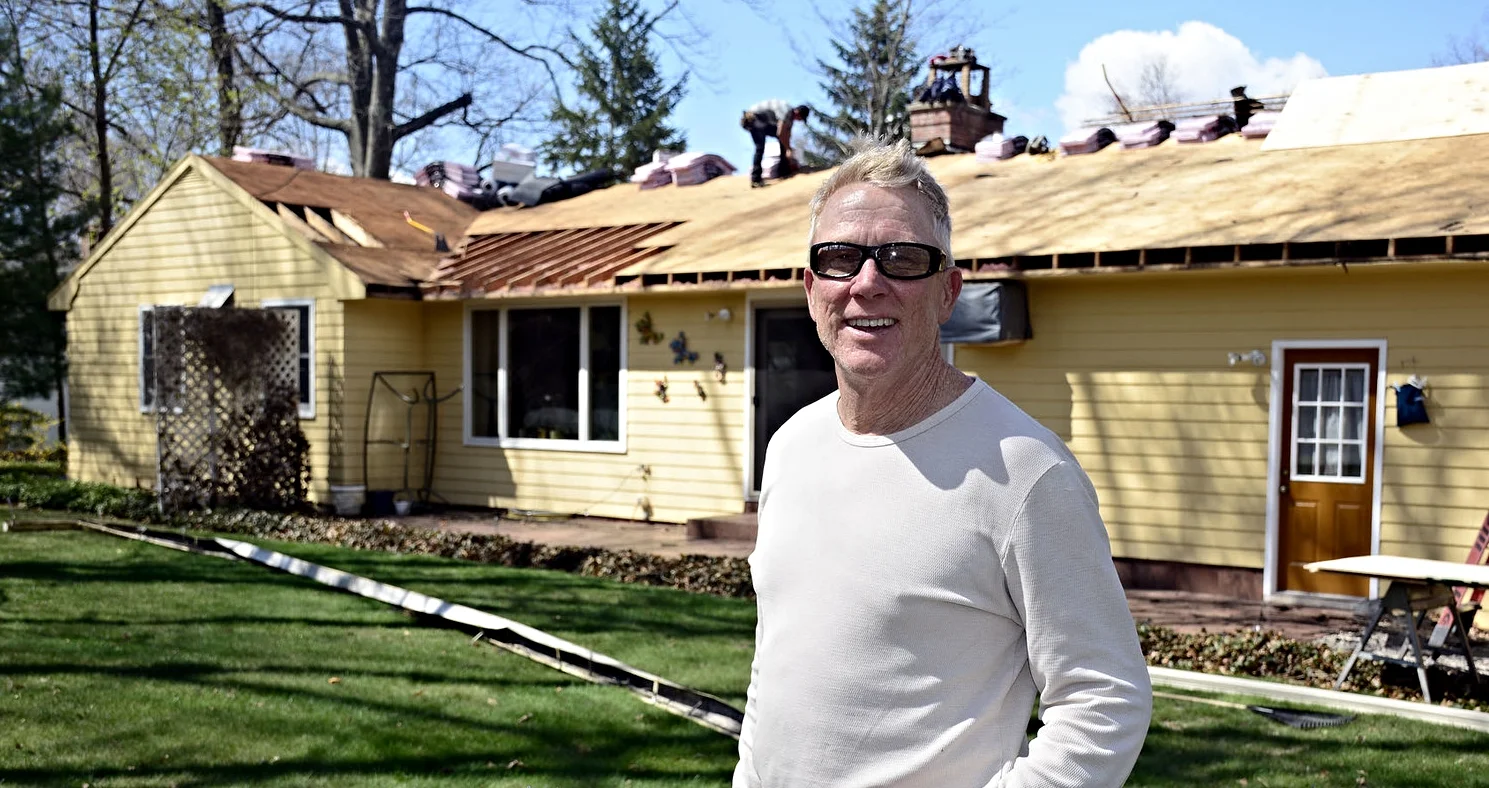
O'Donnell Bros President, Bob O'Donnell, is a regular contributor to The Bristol Press. Read his home improvement articles here.


How Do You Know When to Replace Your Roof?

Chelsea O'Donnell

When was the last time you took a good look at the condition of your roof? If it has been a while, now is the time to do it. Most roof problems are caused by snow, wind, rain, and ice, making spring the perfect season to assess for wear and tear. 

When you look at your roof, what do you see? Are the shingles intact? Is any part sagging or discolored? Are there dark spots on the outside or ceiling cracks and yellowing inside? These can all be signs of a deteriorating roof. But how long is a roof actually supposed to last, and is a new roof worth the investment? Here are some things to think about when it comes to roof replacement.

  1. How old is your roof? Roofs generally last about 20 years, and the reason I say generally is that the life of the roof depends on how it was installed and if it has proper insulation and ventilation. If a roof is done correctly, it can often last longer than 20 years. If you don’t know, it’s worth finding out, especially if you recently purchased your house or are thinking about buying one.

  2. Are your shingles curling, splitting, or falling off? This could be due to age and general wear and tear. If this is happening, your roof will be much more susceptible to leaks, which can cause major problems both inside and out. Take a look at where your downspouts deposit onto the ground. If there are lots of granules, that’s a sign of shingle deterioration.

  3. Do you see moss or mold growing on your roof? This is a problem that could be fixed with a simple roof cleaning, or it could be a sign that you have rotting plywood and damaging moisture trapped under the shingles. A simple inspection will tell you if it’s a quick cosmetic fix or something more complex that needs to be repaired.

  4. Are there yellowish-brown stains or cracks on the ceiling inside the house? This might be water damage coming from the attic which is a problem you don’t want to ignore. If leaks are already happening, they are only going to get worse. 

Many remodelers will do a roof inspection for free, so if you’re unsure about how your roof is holding up, consult with an expert. I always tell the homeowners how long I think their roof will last based on its current condition and the external environment. The number one reason roofs don’t make it through their warranty is because of poor ventilation and insulation, which will lead to premature roof aging and rot. If you’re dealing with a good roofer, they will explain all the options available to you, so don’t be afraid to ask questions. 

Bob O’Donnell is the owner of O’Donnell Bros. Inc., a Bristol-based home improvement company established in 1975. Email your questions to info@odonnellbros.com with the subject line “Ask the Pro.” All questions may be considered for publication. To contact Bob for your remodeling needs, call O’Donnell Bros. Inc. at (860) 589-5155 or visit http://www.odonnellbros.com. Advice is for guidance only.

Outdoor Spring Cleaning is Around the Corner

Chelsea O'Donnell

As the weather slowly starts to warm up, the next few weeks offer a great chance for an early spring yard cleanup. While getting the lawn and garden ready for the season seems like a big job, spreading it out over a few mild weekends early in the year can make it much more palatable. Plus, the vitamin D, fresh air, and exercise will do your body and mind a world of good after a long winter indoors. 

If you didn’t clean out your beds in the autumn, now is the time to do it. Cut back any dead debris right down to the ground and prune any shrubs or trees that are overgrown or have been damaged by winter. It’s a lot easier to do this before buds and leaves come, making it more difficult to see what you’re cutting. With that being said, don’t start chopping away at spring bloomers until the buds have formed. If you’re worried about weeds, now is a good time to lay down your landscaper's fabric and mulch new beds. Just be careful to leave space for the plants that you want to come through. 

Don’t let those dead leaves and plant debris go to waste. You can fence off a small area for composting or purchase a tumbler. All that easy-to-break-down yard waste and future food scraps will make fantastic soil for later spring and summer planting. 

If you didn’t reseed your lawn in the fall, it’s not too late. Start by raking up any leaves and branches that have been left behind. Raking also acts as a massage for the ground as it allows oxygen to circulate. I always take it one step further and use an aerator to break up tough, cold soil which gives grass seeds the best chance for survival. Finally, reseed and fertilize to keep hungry birds away.  

If your yard is susceptible to crabgrass, using a pre-emergent will keep weeds at bay. Just make sure you take the proper precautions and don’t apply it near your new grass seedlings as it will kill them off instantly. 

Hardy veggies like broccoli, cabbage, and cauliflower are best for early planting, as the same goes for peas as long as the ground is fully thawed. Spinach and lettuces are pretty tough too and can generally be put right into the ground in March if the weather cooperates. 

Finally, it’s too early now, but soon it will be time to start mowing. I always recommend setting the blade as high as it will go, especially if you’ve recently reseeded the yard. It’s smart to tread lightly in the first few weeks to make sure that the grass has time to properly root and get comfortable. Go too short too fast and you’ll have a complicated relationship with your yard for the rest of the season. 

Bob O’Donnell is the owner of O’Donnell Bros. Inc., a Bristol-based home improvement company established in 1975. Email your questions for Bob to info@odonnellbros.com with the subject line “Ask the Pro.” All questions may be considered for publication. To contact Bob for your remodeling needs, call O’Donnell Bros. Inc. at (860) 589-5155 or visit www.odonnellbros.com. Advice is for guidance only.

Watch for Ice Dams

Chelsea O'Donnell

With a week of snow, ice, and temperatures all over the place, it’s a great time to remind homeowners about ice dams. 

Ice dams occur when the heat from the inside of a house melts the snow on the roof, causing water to run down and refreeze at the edge of the roof. Over time, this can create a thick layer of ice that can cause damage to the roof and even leak into the house.

The first sign of an ice dam is often the formation of icicles on the edge of the roof. While icicles may look pretty, they are a warning sign that water is not draining properly and may be backing up under the roof shingles. Other signs of an ice dam include water stains on the ceiling or walls, peeling paint or wallpaper, and damp insulation.

Preventing ice dams is much easier than dealing with them after they form. Here are some steps you can take to make sure your home isn’t susceptible to the problem:

  1. Keep your gutters clean. Gutters filled with debris can cause water to overflow and freeze on the edge of the roof, leading to ice dam formation.

  2. Insulate your attic. A well-insulated attic will keep the heat inside your house from melting the snow on the roof.

  3. Ventilate your attic. Proper ventilation will help prevent heat buildup in the attic, which can contribute to ice dam formation.

  4. Consider installing an ice and water shield. This is a type of roofing material that is designed to prevent water from seeping into the house if an ice dam forms.

If you already have an ice dam, there are a few things you can do to remove it:

  1. Use a roof rake to remove snow from the edge of the roof. This can prevent more water from backing up and freezing.

  2. Fill a pair of pantyhose with calcium chloride ice melt and lay it across the ice dam. This can help melt the ice and create a channel for water to escape.

  3. Hire a professional. Removing an ice dam can be dangerous, especially if you have to climb on a ladder or walk on a slippery roof. It's best to leave this job to the professionals.

Ice dams are both a common and serious issue that can cause damage to your roof and home. Taking steps to prevent ice dams from forming is the best way to avoid this problem. If you do have an ice dam, there are ways to remove it, but it's important to be cautious and seek professional help if necessary.

Bob O’Donnell is the owner of O’Donnell Bros. Inc., a Bristol-based home improvement company established in 1975. Email your questions to info@odonnellbros.com with the subject line “Ask the Pro.” All questions may be considered for publication. To contact Bob for your remodeling needs, call O’Donnell Bros. Inc. at (860) 589-5155 or visit http://www.odonnellbros.com. Advice is for guidance only.