Contact Us

Please feel free to get in touch to ask a question, schedule an appointment or give us your feedback. We look forward to hearing from you. 

17 Divinity St
Bristol, CT, 06010
United States

8605895155

Since 1975, O'Donnell Bros has been providing greater Bristol and Central Connecticut with residential and commercial remodeling solutions. We specialize in roofing, siding, windows, doors, gutters, downspouts and so much more. We look forward to helping you with all your remodeling needs. 

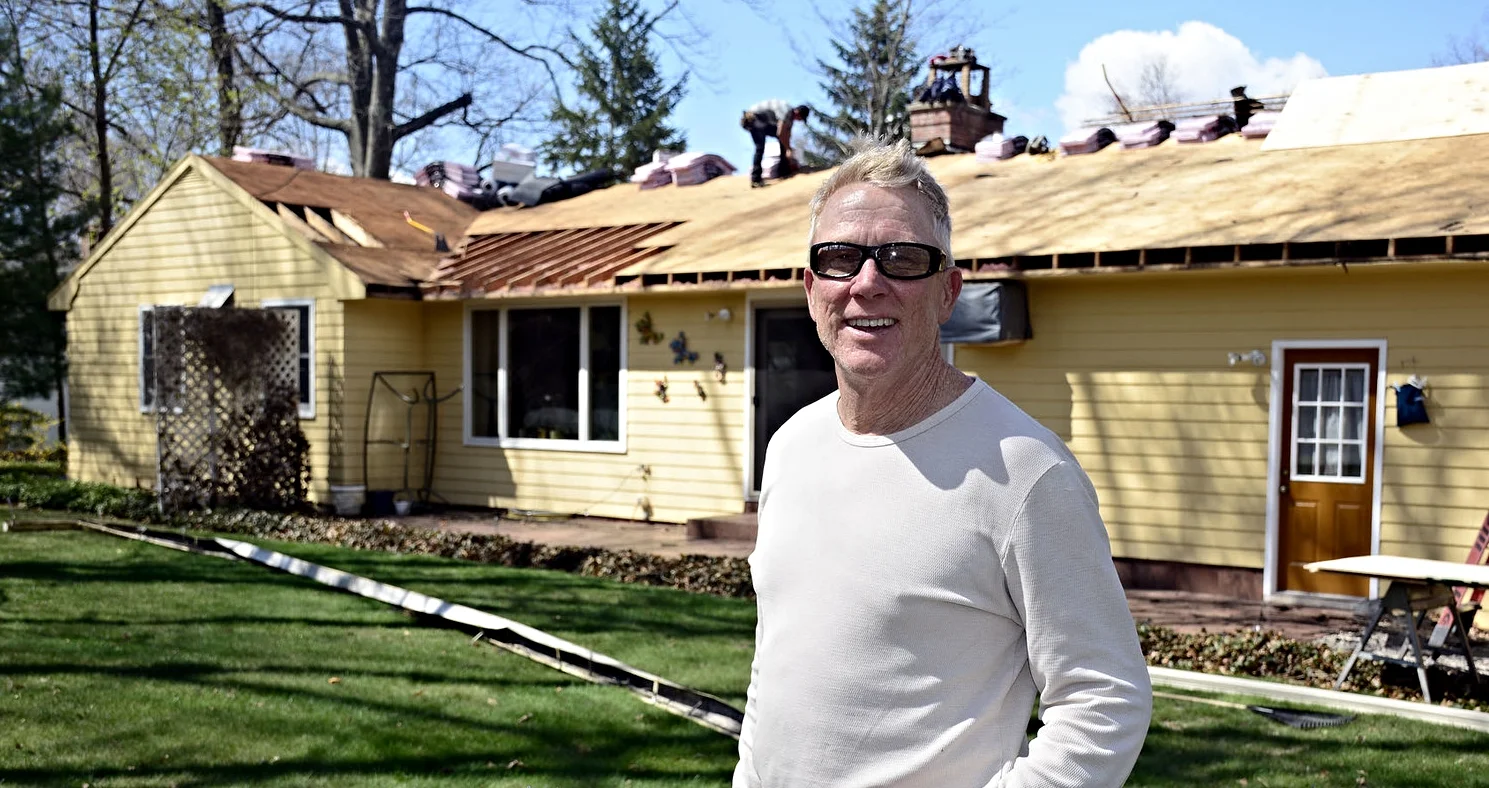
HomeImprovement-PT-050114_9032 (1).jpg

Articles

O'Donnell Bros President, Bob O'Donnell, is a regular contributor to The Bristol Press. Read his home improvement articles here.


Window Condensation? A Common Spring Problem To Resolve

Chelsea O'Donnell

This week a reader asked a great question, “My windows are constantly fogged up and I’m not sure why. How can I fix them?”

Window condensation is such a common problem and it happens in homes with too much humidity. If your house is old or new, it doesn’t matter. When the humidity inside the home is higher than the humidity outside, your glass windows and doors will start to show condensation, especially at this time of year when evening temperatures hover around 40 degrees.

Homes should be at about 50 percent humidity. When they are higher, the glass in your home will act as a dehumidifier and the excess moisture will collect on it in an attempt to get rid of the water from the air. Newer homes are built tightly, which makes it harder for moisture to escape. Older homes can let too much moisture from the outside in. This is why condensation doesn’t discriminate. It can happen to any house.

So what can you do to either prevent condensation or get rid of a problem that you already have? Step one is to purchase a hygrometer which is the instrument to measure humidity. As I said, 50 percent humidity inside the home is what you’re aiming for, but anything from 45 to 55 percent is fine. If your hygrometer is measuring 60 to 70 percent or higher, you’ll want to take immediate action. While condensation on windows is unsightly and annoying, mold and mildew growth is much worse.

If you have condensation, here are a few ideas to get rid of it quickly and effectively.

Turn Down Your Humidifier. If you’re using one, it’s working! By releasing less moisture into the air, you’ll reduce your condensation problems.

Buy a Dehumidifier. If your house is constantly damp, a moisture eliminator is going to be crucial. Lots of homeowners run dehumidifiers in their basement all the time but keeping one going upstairs might be necessary. If you are running slightly more humid in rooms such as the bathrooms or the laundry room, try a refillable moisture absorber such as DampRid.

Use Your Fans. Bathroom and kitchen fans are there for a reason. Cooking a dish that lets off lots of steam or taking long showers both create tons of extra water. Extractor fans can help to remove that moisture. Let them run for 10 minutes after use.

Open the Windows. Air circulation is key, so open up those windows and make good use of ceiling fans. Also, make sure you check the humidity in the attic, as heat tends to rise. You may find that your first and second floors have entirely different humidity levels and need to be treated independently.

Insulate! Because condensation is caused by heat and moisture, it’s a good idea to make sure your home is insulated to make the air easier to control. Insulation can be as simple as weatherstripping and door sealing depending on the level of wall and attic insulation in your home. If you’re not sure how much insulation you have, call a contractor to give you an assessment and free quote.

Spring and summer are much wetter seasons than fall and winter, so be sure to check your moisture levels often. As the humidity rises outside, a house that doesn’t “breathe” properly will be susceptible to a number of problems. Consider foggy windows as a warning sign and take action right away to avoid potentially expensive repairs and hazardous breathing conditions in the future.

Bob O'Donnell is the owner of O'Donnell Bros, Inc., a Bristol-based home improvement company established in 1975. Email your questions for Bob to info@odonnellbros.com with the subject line “Ask the Pro”. All questions may be considered for publication. To contact Bob for your remodeling needs, call O'Donnell Bros, Inc. at (860) 589-5155 or visit www.odonnellbros.com. Advice is for guidance only.


What’s Happening to Our Ash Trees?

Chelsea O'Donnell

Back in February, I read an article titled, “Every Ash Tree in CT to Die Within the Decade.” The headline couldn't be bleaker, but I didn’t really think about it again until this week as the trees began exploding in beautiful green. Ash trees are a staple in our area, with many standing proudly for hundreds of years. So what could be killing them, and what can we do to stop it?

The demise of our ash trees can squarely be blamed on an invasive, non-native species of beetle aptly named the emerald ash borer. It’s an insect that was first found in Michigan more than 20 years ago and since then, it has made its way to the east coast where it has made a feast of our beautiful, bountiful trees. In less than a decade from when the bug takes its first bite, it will eat the tree until it kills it. The mass exodus of ash trees now is because we’re hitting the eight-year mark from when the ash borers first made their homes in Connecticut. Now billions of Connecticut trees are dying all at once.

Emerald ash borers both eat ash trees and live in them. They lay their eggs underneath the bark and when the larvae hatch, it feeds on the tree’s most essential parts, the cambium or “growth” layer and the phloem or “circulatory” layer. The sheer volume of ash borer larvae is too much for a tree to handle and because they spread so fast, they can attack the tree much faster than the tree has the time or ability to fight for itself.

So is there a solution to the problem or are all of our ash trees doomed? Truth be told, the billions are trees that are already affected sadly don’t have a chance. What’s worse is that the emerald ash borer doesn’t have any native predators, so unless a tree has been treated with insecticide, it is almost certainly going to be infiltrated. However, there may be an unlikely ally that can help us protect future ash trees and maybe even save the species. It’s the parasitic wasp.

The name of this insect is very telling of how it operates. The parasitic wasp lays its eggs inside the body of an emerald ash borer and literally eats it from the inside out. They are currently being bred and shipped to Connecticut in an attempt to control the infestation of ash borers. But truth be told, the ratio of wasps to borers is barely enough to suppress the issue, nevermind control it. So the infestation will, unfortunately, have to run its course until the beetles eat themselves out of food and move on.

Until that day comes, the state’s Department of Agriculture hopes that new trees will develop a natural resistance to the beetle and that the hopeful decrease in their population will be controlled by the parasitic wasps. My advice? If you have an ash tree in your yard, it's worth a call to your local expert to find out more about the insecticides available to you. Trees that aren’t treated are in grave danger, so don’t wait to save yours.

Bob O’Donnell is the owner of O’Donnell Bros. Inc., a Bristol-based home improvement company established in 1975. Email your questions to info@odonnellbros.com with the subject line “Ask the Pro.” All questions may be considered for publication. To contact Bob for your remodeling needs, call O’Donnell Bros. Inc. at (860) 589-5155 or visit http://www.odonnellbros.com. Advice is for guidance only.

In the Market for a New Roof? Know Your Options

Chelsea O'Donnell

With April showers often come leaks, which means roof replacement is on lots of homeowner’s minds this time of year. When thinking about a new roof, finding the right contractor, negotiating the best price, and deciding on the color and style are just a few of the options to navigate. But in the past, one thing homeowners often didn’t have to think about was the material, as asphalt roofs have been the most popular choice in our area for their cost-effectiveness and durability. But recently, metal has begun increasing in popularity. While metal roofs are more common in areas of the country with more extreme weather conditions, it’s always good to know about the different options available. So let’s take a deeper dive into the pros and cons of asphalt and metal roofs to help you make the best decision for your home.

The Asphalt Roof

Asphalt is the most popular choice with homeowners for a variety of reasons, but the single most important factor is almost always the price. The average cost to purchase the materials for an asphalt roof is nearly one-third of the cost of a metal roof. That cost differentiation gives asphalt the leg up almost every time. In addition to being the more cost-effective option of the two choices, there is a lot to love about asphalt. Individual shingles give a homeowner lots of color and design choices, and they are faster to install than a metal roof, often taking just a few days of labor. While most asphalt roofs come with a 30-year warranty, they are easy to repair if damaged, and a small section can be replaced without having to get a whole new roof. The material also performs exceptionally well in the rain, heat, sleet, and snow.

Of course, there are a few negative aspects of asphalt roofing that homeowners should be aware of. If you’re installing a new asphalt roof, I always recommend removing the old roof before installing new material, which does add to the labor cost. Another negative factor is the chance that mold, mildew, and algae will grow if a roof is shaded and stays damp for long periods of time. Also, while our Connecticut weather isn’t as severe as other parts of the country, very high winds can loosen shingles if they aren’t installed properly.

The Metal Roof

Even though they aren’t as common in our area, metal roofs have some very attractive qualities that make them worth considering. Firstly, the material is lighter than traditional asphalt roofs, and the metal sheets can often be installed right over regular asphalt as long as it doesn’t have water damage or rotten plywood underneath. Metal roofs also last longer than asphalt roofs, and maintenance is minimal. Mold and mildew cannot grow on metal so if you live in a damp area with lots of shade, this might be a worthwhile benefit. Another plus is that metal roofs are energy efficient all year round, helping to keep the house cooler in the summer and warmer in the winter. Plus they perform very well in areas with very high-level snowfall.

Of course, there are a few cons that homeowners should be aware of, and the biggest one is cost. While metal roofs do last longer, the upfront cost can be three times as much as an asphalt roof. Additionally, if a metal roof needs to be repaired, that will also cost more as metal roofs are made in sheets and need to be replaced in that way. From an aesthetic perspective, metal roofs do come in different colors, but there aren't many more options in terms of design and aesthetic. Finally, it’s important to know that without the proper plywood installation and insulation, metal roofs can be noisy, which might not be a con for people who love the sound of rain storms.

No matter which material you use, it’s important to do your research to find the best product for your individual home. The right roof with the right contractor at the right price will ensure that you live comfortably with peace of mind for many years to come.

Bob O’Donnell is the owner of O’Donnell Bros. Inc., a Bristol-based home improvement company established in 1975. Email your questions to info@odonnellbros.com with the subject line “Ask the Pro.” All questions may be considered for publication. To contact Bob for your remodeling needs, call O’Donnell Bros. Inc. at (860) 589-5155 or visit http://www.odonnellbros.com. Advice is for guidance only.