Contact Us

Please feel free to get in touch to ask a question, schedule an appointment or give us your feedback. We look forward to hearing from you. 

17 Divinity St
Bristol, CT, 06010
United States

8605895155

Since 1975, O'Donnell Bros has been providing greater Bristol and Central Connecticut with residential and commercial remodeling solutions. We specialize in roofing, siding, windows, doors, gutters, downspouts and so much more. We look forward to helping you with all your remodeling needs. 

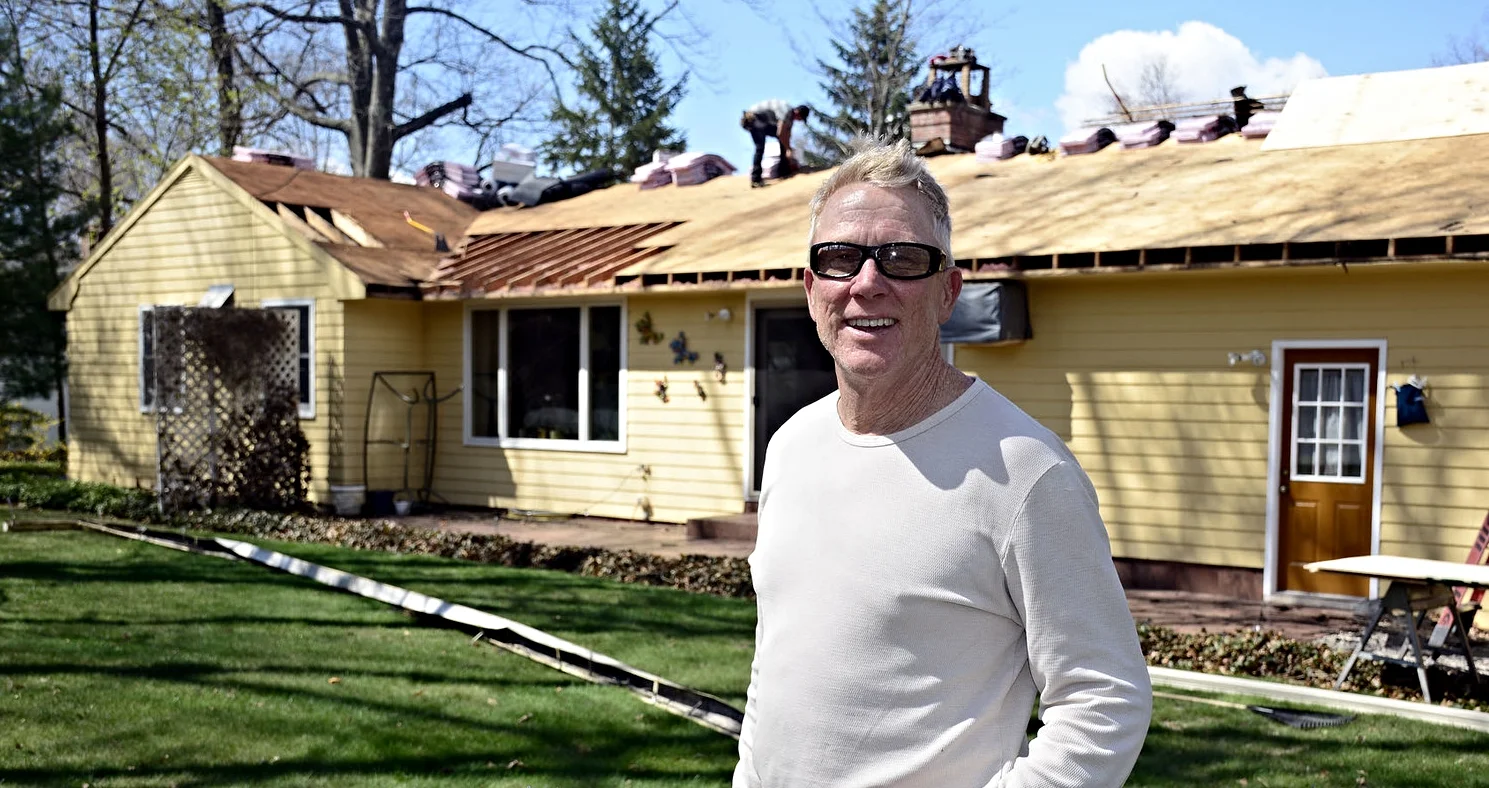
HomeImprovement-PT-050114_9032 (1).jpg

Articles

O'Donnell Bros President, Bob O'Donnell, is a regular contributor to The Bristol Press. Read his home improvement articles here.


Beware of ice dams this winter

Chelsea O'Donnell

One of the perils of living in New England is the cleanup of the winter weather that so often blows our way. In addition to the ice chipping and the snow shoveling, there is one more serious homeowner hazard that can create a headache both inside and outside, and cause major damage your home. The culprit I am talking about is ice dams.

Let me give you some background. An ice dam forms when heat from inside your home causes snow on your roof to melt and the water to trickle down into the gutters. This sounds like what is supposed to happen, except that when the water slides down, it can often refreeze before it drains because the temperature changes from the top of the roof to the bottom. As the water moves it refreezes, causing a blockage in the gutters and drains. Since the water has nowhere it go, it builds up, and looks for other places to go, such as under your shingles. The snow continues to melt, refreeze and accumulate, growing aggressively until you have what we call an ice dam, or a large mass of frozen water that grows from your gutters and the base of your roof.

So why does the temperature change? Well that’s easy. We all know that heat rises, and when your house isn’t properly insulated or ventilated, the heat from the living areas of your home will rise into the attic, hitting the highest temperatures in the very peak of the roof. So it’s no surprise that snow starts to melt at that very point, where the temperature can easily rise to 32 degrees Fahrenheit, or melting point. As the water makes its way down the roof, the temperature decreases; enabling the water to refreeze by the time it finds its way to your gutters. As that water builds up, it begins to form an ice dam. 

Have you ever looked around the neighborhood and seen a house with big beautiful icicles hanging from the roof? Those icicles aren’t just a pretty bi-product of winter weather; they are a sure fire sign that an ice damn is forming.

Ice dams can be a real problem, especially in older homes that aren’t properly insulated and ventilated. As the water builds up, it can leak into the house and cause damage to the walls, ceilings, insulation and other areas. Additionally, an ice dam that is melting can channel water down into the foundation, which can cause leaks and mold formation in the basement.

Worried about ice dams damaging your house? Next week, we’ll talk about the ways to temporarily fix them, and what you can do to ensure they don’t pop up again next winter.

Insulation tops the list for most lucrative remodeling project

Chelsea O'Donnell

Every year Remodeling magazine puts out a Cost versus Value Report, which analyzes the average cost for 30 of the most popular home remodeling projects and compares it to the value those projects retain at resale. Year after year, the results are similar, but in 2016 a new leader rose to the top, and I’m excited to say it’s one that I have been advocating for years.

For the first time ever, Remodeling added fiberglass insulation to the list, which took the top prize, netting an average nationwide value of $1,482 for an average nationwide cost of $1,268. It’s the only remodeling project on the list where the value actually exceeded the cost! What’s even better is that in Hartford County, our chilly winters made the value of this project even more lucrative. Locally, the cost of an insulation install averaged $1,310, but netted an average of $2,125 in resale value. That’s a 162.2% return on investment.

So why is insulation so good? Simply put, it acts as a barrier against heat flow, helping to keep the warm air inside the house by slowing the flow and stopping the heat from getting outside. So while it may not have the cosmetic appeal of a new entry door or a beautiful stone walkway, what it lacks in looks, it more than makes up for in energy efficiency.

I spend a lot of my time in attics and I can safely say that 75% of homes in our city are not properly insulated. This rings especially true for older homes. The United States Environment Protection Agency says that with proper insulation, the average home in our area can save approximately 16 percent in total heating and cooling costs. For older homes, that number skyrockets to nearly 50 percent.

So how do you know if you need insulation? Insulation is measured by its R-Value, and the higher the R-Value, the better the thermal performance of the insulation. There are eight climate zones in the United States, and according to Energy Star, Connecticut sits in Zone 5, which means the recommended R-Value of insulation for us is between R-49 to R-60 for an uninsulated attic, or between R-38 to R-49 for an attic that already has three to four inches of existing insulation. If you’re wondering how your home stacks up, take advantage of a free inspection from a home improvement professional to find out.

With regards to the installation process, it is actually fairly simple and involves blowing loosefill fiberglass insulation on top of existing insulation until the correct thickness and R-Value are achieved. The good news is it can be done in less than a day.

If you’re thinking about ways to spruce up your home that will offer real value at resale, you can’t go past insulation for its cost-effectiveness, comfort quality and ease of installation. But don’t take my word for it. To read the Cost versus Value Report for 2016 in its entirety, visit remodeling.hw.net or pick up Remodeling Magazine at your local newsagent.  

Be snow safe this shoveling season

Chelsea O'Donnell

With our first official snowfall in the books, it’s that time of year when we have to dig the shovels out of the garage and get accustomed to the dreaded task of winter clean-up. Unfortunately not only is snow shoveling an annoying chore, it’s also one of those around-the-house jobs that can easily land you in the hospital if you’re not careful. To avoid a mishap, there are a few things that you can do to make shoveling less painful, difficult and risky.

First, get yourself a good tool to work with. If you’ve been using the same old shovel for 20 years, chances are it’s not doing you any favors. Today’s shovels are designed to help withstand the weight of heavy snow, which will reduce the chances of you blowing your back out. The buzz is on the True Temper Ergonomic Mountain Mover, which you can pick up for around $25 at The Home Depot or a local hardware store. It’s designed to prevent back and neck injuries and has both a comfortable handle and a plastic blade that will keep your porch and deck intact. Think of it as an investment.

When you’re ready to shovel, be prepared. Wait until the snowplows come around the neighborhood (unless you want to shovel twice) and layer up with comfortable clothes. If you’re not used to physical activity, warm up with a few stretches to prepare your back and arms. When shoveling, bend your knees and try to push large piles into a bank or your curb rather than lifting each shovelful. Try not to throw snow or make twisting and turning movements that will aggravate your back. People all too often underestimate the weight of snow and the physicality of shoveling and end up with back, neck and shoulder injuries. Don’t be one of them. Use your legs.

If you think you’re in good enough shape to shovel, start slowly, take frequent breaks and stay hydrated by drinking plenty of water. If you’re not up to the task, don’t be afraid to ask a friend, family or neighbor for help. Shoveling is rigorous exercise and could lead to injury or even a heart attack if you’re not used to similar activities. If you can’t find anyone to help you do the job, feel free to give me a call.