Contact Us

Please feel free to get in touch to ask a question, schedule an appointment or give us your feedback. We look forward to hearing from you. 

17 Divinity St
Bristol, CT, 06010
United States

8605895155

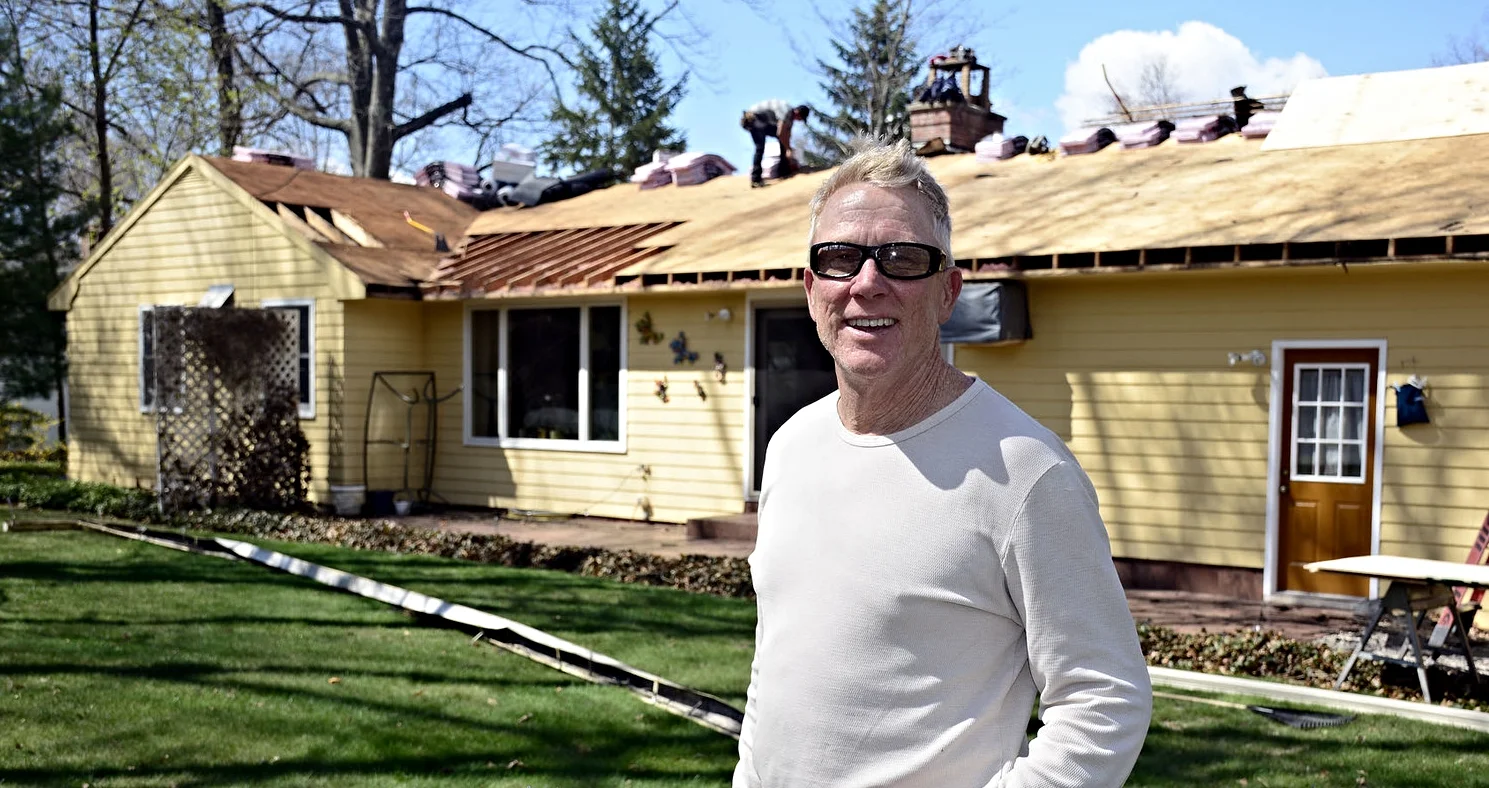
Since 1975, O'Donnell Bros has been providing greater Bristol and Central Connecticut with residential and commercial remodeling solutions. We specialize in roofing, siding, windows, doors, gutters, downspouts and so much more. We look forward to helping you with all your remodeling needs. 

HomeImprovement-PT-050114_9032 (1).jpg

Articles

O'Donnell Bros President, Bob O'Donnell, is a regular contributor to The Bristol Press. Read his home improvement articles here.


Filtering by Tag: lettuce

A Second Chance at Gardening

Chelsea O'Donnell

By mid-August, a lot of us have started to move on from the garden. The tomatoes are coming in faster than we can eat them, the zucchini plants have reached prehistoric proportions, and anything we enthusiastically planted back in May is either thriving, bolting, or looking a little worse for wear. So if you’re tempted to pull what’s finished, put away the gardening gloves, and call it a season, it’s understandable.

Here in Connecticut, August is actually a great time to give your vegetable garden a second act. There’s plenty of growing season left, and a whole group of vegetables would much rather grow during the cooler days ahead than battle July heat. The trick is choosing the right things.

Radishes are probably the easiest place to start, and many varieties are ready in about a month, which means you can plant them now and potentially squeeze in another round after that. They’re also great for kids because you don’t have to wait until Thanksgiving to see whether your efforts were worth it.

Leaf lettuce and arugula are other easy wins. Both grow quickly, and as temperatures begin to drop, they don’t have to battle the heat that can make lettuce bitter or cause greens to bolt.

Spinach is another good late-summer crop and can tolerate surprisingly chilly temperatures once fall arrives. Kale is even tougher. A little frost can actually improve kale’s flavor, so don’t assume the first cold night means everything in the vegetable garden is finished.

If you move quickly, you can also plant carrots, beets and turnips. Look for varieties with shorter “days to maturity” listed on the seed packet. Smaller carrots and root vegetables are perfectly good consolation prizes if Mother Nature decides to send us an early freeze.

Bok choy and other Asian greens are particularly good choices for this time of year. Many struggle during hot weather but thrive as the days get shorter and cooler. Peas are worth a shot, too, although they’re a bit more of a gamble. Choose a fast-growing variety, get them planted soon, and see what happens. Gardening has never come with a money-back guarantee.

And then there’s garlic, which plays by slightly different rules. Rather than planting it now for a fall harvest, you’ll want to put garlic in the ground later this fall, generally sometime in October or early November, once the weather has cooled but before the ground freezes solid. Plant individual cloves a few inches deep with the pointy end facing up, cover them with soil and add a good layer of mulch. They’ll establish roots before winter, go dormant during the coldest months, pop back up in spring and be ready to harvest next summer.

And if you didn’t plant a garden this year and think you’ve missed your chance, you haven’t. A few containers on a sunny patio, porch or even front steps can be plenty of space for lettuce, spinach, arugula, radishes and other quick-growing fall vegetables. You don’t need a big garden, a perfect plan or even much experience. Grab a couple of pots, a bag of soil and a few packets of seeds and see what happens. There’s still a surprising amount of growing season left in Connecticut, so don’t store those gardening gloves just yet.

Bob O’Donnell is the owner of O’Donnell Bros. Inc., a Bristol-based home improvement company established in 1975. Have a question? Email info@odonnellbros.com with the subject line “Ask the Pro.” For your remodeling needs, call O’Donnell Bros. Inc. at (860) 589-5155 or visit www.odonnellbros.com. Advice is for general guidance only.


What to Plant for a Fall Harvest

Chelsea O'Donnell

If you think late summer is the time to give your garden a rest, think again. This time of year is perfect to get late fall and winter veggies into the ground to enjoy a delicious harvest even when the frost sets in. For those of you with a green thumb or even if you regret not making the most of your garden earlier this year, now is a great time to get planting. Let’s start with three basic tips.

First, make a note of the frost dates. A smart cool weather garden will thrive if plants are in the ground and have time to mature well before the daytime temperature starts to settle at around 55 degrees. The almanac has the first frost around the second week in October, which means you have about six weeks to get your crops settled in. 

If you’ve decided on a fall garden, you might want to think about building a cold frame. You can buy one at a local hardware store, or make your own using plywood and plastic with holes for ventilation. For a small garden, a hinged plexiglass box will do the trick but for larger beds, consider heavy-duty plastic sheeting.

Lastly, use this opportunity to give back to your garden and prepare it for next season. If you’re not too picky about what to plant or you aren’t interested in harvesting, consider a cover crop - a species that will improve the health of your soil, enhance your garden’s biodiversity, and keep pests and weeds at bay. Peas and beans are the best choices for veggies while clover, rye, buckwheat, and sorghum work really well as a nutrient-enriching cover.

Once you’ve committed to a fall garden, the only decision is what to plant. Some of my favorite vegetables do really well in the colder months, so luckily you have tons to choose from. In terms of leafy greens, you have your pick with chard, kale, lettuce of all kinds, and spinach. Other tough veggies like broccoli, beets, carrots, and radishes are plenty strong enough for these colder months.  My favorite roasters like pumpkins, fennel, parsnips, turnips, and Brussels sprouts also do incredibly well this time of year. And let’s not forget rhubarb for a delicious late-season pie!

If you love all these veggies but can’t get yourself to commit to a late summer garden, don’t worry. Bookmark this for six months' time and get excited to kick off the spring with early planting. Happy Gardening!

Bob O’Donnell is the owner of O’Donnell Bros. Inc., a Bristol-based home improvement company established in 1975. Email your questions to info@odonnellbros.com with the subject line “Ask the Pro.” All questions may be considered for publication. To contact Bob for your remodeling needs, call O’Donnell Bros. Inc. at (860) 589-5155 or visit http://www.odonnellbros.com. Advice is for guidance only.

Late Summer Veggies for a Fall Garden Harvest

Chelsea O'Donnell

If you think late summer is the time to give your garden a rest, think again. This time of year is perfect to get late fall and winter veggies into the ground to enjoy a delicious harvest even when the frost sets in. For those of you with a green thumb or even if you regret not getting in the garden earlier this year, now is a great time to get planting. Let’s start with three basic tips.

First, make a note of the frost dates. A smart cool weather garden will thrive if it’s in the ground and has time to mature well before the daytime temperature starts to settle at around 55 degrees. The almanac has the first frost around the second week in October, which means you have about six weeks to get your crops settled in. 

If you’ve decided on a fall garden, you might want to think about building a cold frame. You can buy one at a local hardware store, or make your own using plywood and plastic with holes for ventilation. For a small garden, a hinged plexiglass box will do the trick but for larger beds, consider heavy-duty plastic sheeting.

Lastly, use this opportunity to give back to your garden and get it ready for next season. If you’re not too picky about what to plant or you aren’t interested in harvesting, consider a cover crop - a species that will improve the health of your soil, enhance your garden’s biodiversity, and keep pests and weeds at bay. Peas and beans are the best choices for veggies, and clover, rye, buckwheat, and sorghum work really well too.

Once you’ve committed to a fall garden, the only decision left is what to plant! Some of my favorite vegetables do really well in the colder months, so luckily you have tons to choose from. In terms of leafy greens, you have your pick with chard, kale, lettuce of all kinds, and spinach. Other tough veggies like broccoli, beets, carrots, and radishes are plenty strong for these colder months.  My favorites roasters like fennel, parsnips, turnips, and Brussels sprouts also do incredibly well this time of year. And let’s not forget rhubarb for a delicious late-season pie!

If you love all these veggies but can’t get yourself to commit to a late summer garden, don’t worry. Bookmark this for six months' time and get excited to kick off the spring with early planting. Happy Gardening!

Bob O’Donnell is the owner of O’Donnell Bros. Inc., a Bristol-based home improvement company established in 1975. Email your questions to info@odonnellbros.com with the subject line “Ask the Pro.” All questions may be considered for publication. To contact Bob for your remodeling needs, call O’Donnell Bros. Inc. at (860) 589-5155 or visit http://www.odonnellbros.com. Advice is for guidance only.