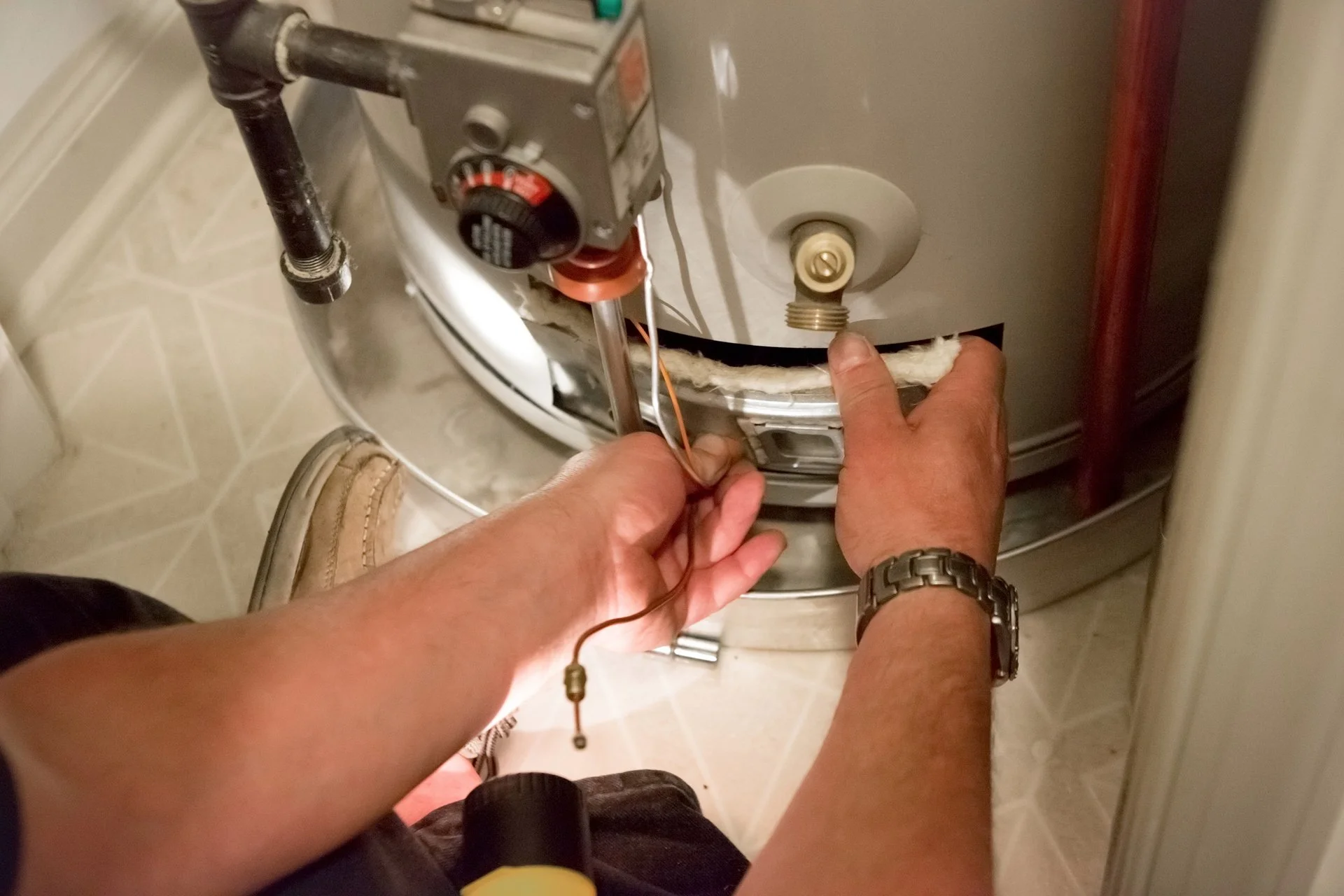
Early Fall Is a Good Time to Give Your Water Heater Some Attention
Chelsea O'Donnell
We tend to think about our heating systems as soon as the temperatures start to drop, but there’s another hardworking appliance in the house that deserves a little attention this time of year: your water heater.
Early fall is a great time to give it a once-over. As the weather cools, the water entering your home gets colder, which means your water heater has to work harder to bring it up to temperature. Add in more hot showers, baths and general indoor time, and a small problem now can become a much bigger inconvenience in the middle of winter.
A little preventative maintenance can help keep your water heater running efficiently and, hopefully, help you catch trouble before you're standing in a cold shower in January.
1. Clear the Area Around It
Start with an easy one. Head down to the basement or utility room and take a look at what has accumulated around your water heater.
Boxes, paint cans, cleaning supplies and miscellaneous household storage have a way of migrating toward mechanical equipment. Keep the area around the unit clear so you can easily inspect it and so there's adequate airflow around equipment that requires ventilation.
While you're there, take a good look at the floor around the tank. Any unexplained moisture, rust or staining is worth investigating.
2. Check the Temperature
For many households, 120°F is a good water-heater setting. It provides plenty of hot water while reducing the risk of scalding and avoiding the energy waste that comes with keeping water unnecessarily hot.
If your water suddenly seems much hotter or cooler than usual, however, don't just adjust the thermostat and forget about it. A noticeable change can sometimes point to a thermostat, heating element or other issue that needs attention.
3. Consider Flushing the Tank
Over time, minerals and sediment can collect at the bottom of a traditional tank-style water heater. That buildup can reduce efficiency and is sometimes responsible for the popping or rumbling noises you hear coming from an older tank.
Periodically flushing the tank can help remove that sediment. If you routinely maintain your water heater and are comfortable doing it, follow the manufacturer's instructions for your particular model.
If the tank hasn't been flushed in years, is quite old, or you're not sure what you're doing, this may be a good job to leave to a plumber. Older drain valves don't always appreciate being opened after sitting untouched for a decade.
4. Look at the Pipes and Insulation
If your water heater is located in an unfinished or chilly basement, insulating accessible hot-water pipes can reduce heat loss as water travels through the house. Foam pipe insulation is inexpensive and relatively easy to install.
Some older tank-style water heaters may also benefit from an insulating blanket, but don't automatically wrap every tank you see. Many newer models are already well insulated, and additional insulation may not be recommended. Check the manufacturer's instructions first, particularly with gas-fired units where vents, controls and air intakes must remain unobstructed.
5. Don't Forget the Safety Components
Tank-style water heaters have a temperature and pressure relief valve designed to release water if pressure or temperature inside the tank becomes unsafe.
This is an important safety device, but it's also one I don't recommend experimenting with if you're unsure of its condition, especially on an older water heater. If you notice leaking or corrosion around the valve or discharge pipe, have it inspected by a professional. A plumber can also check the valve as part of routine water-heater maintenance.
6. Ask About the Anode Rod
Inside most traditional tank water heaters is an anode rod designed to corrode before the steel tank does. It's a relatively small component that can have a big impact on the life of the water heater.
Anode rods don't last forever. If your tank is several years old and you've never had the rod inspected, ask about it the next time you have the system serviced. Replacing a depleted rod can help protect a tank that's otherwise in good condition.
7. Pay Attention to What Your Water Heater Is Telling You
Water heaters usually give you some warning when things aren't quite right. Keep an eye — and an ear — out for:
Rust or corrosion around fittings
Water collecting around the bottom of the tank
Rumbling, popping or other new noises
Rust-colored or cloudy hot water
Hot water that runs out faster than it used to
Water that takes noticeably longer to heat
Unexplained changes in water temperature
None of these automatically means you need a new water heater, but they're good reasons to have it checked before the problem gets worse.
8. Know the Age of Your Water Heater
If you have no idea how old your water heater is, fall is a good time to find out. Check the manufacturer's label for the model and serial number; the manufacturer can usually help you determine the date it was made.
Traditional tank water heaters don't last forever, and once yours gets into the 10-year-plus range, it's smart to pay closer attention to its condition and start thinking ahead. That doesn't mean replacing a perfectly good water heater simply because it had a birthday. It means avoiding the unpleasant surprise of having an aging tank fail without a plan.
If replacement is on the horizon, you'll also have more choices when you're planning ahead than you will during an emergency. Today's options include high-efficiency tank models, heat-pump water heaters and tankless systems, depending on your home and your family's needs.
A Little Fall Maintenance Goes a Long Way
We spend plenty of time getting our homes ready for colder weather — cleaning gutters, servicing furnaces, sealing drafts and putting away the patio furniture. Your water heater deserves a spot on that fall checklist too.
Take ten minutes to look it over now. Check for leaks and corrosion, clear the surrounding area and think about when it was last serviced. A little attention in September or October can help keep the hot water flowing when you really don't want to be thinking about it in January.
Bob O’Donnell is the owner of O’Donnell Bros. Inc., a Bristol-based home improvement company established in 1975. Email your questions for Bob to info@odonnellbros.com with the subject line “Ask the Pro.” All questions may be considered for publication. To contact Bob for your remodeling needs, call O’Donnell Bros. Inc. at (860) 589-5155 or visit www.odonnellbros.com. Advice is for guidance only.