Contact Us

Please feel free to get in touch to ask a question, schedule an appointment or give us your feedback. We look forward to hearing from you. 

17 Divinity St
Bristol, CT, 06010
United States

8605895155

Since 1975, O'Donnell Bros has been providing greater Bristol and Central Connecticut with residential and commercial remodeling solutions. We specialize in roofing, siding, windows, doors, gutters, downspouts and so much more. We look forward to helping you with all your remodeling needs. 

HomeImprovement-PT-050114_9032 (1).jpg

Articles

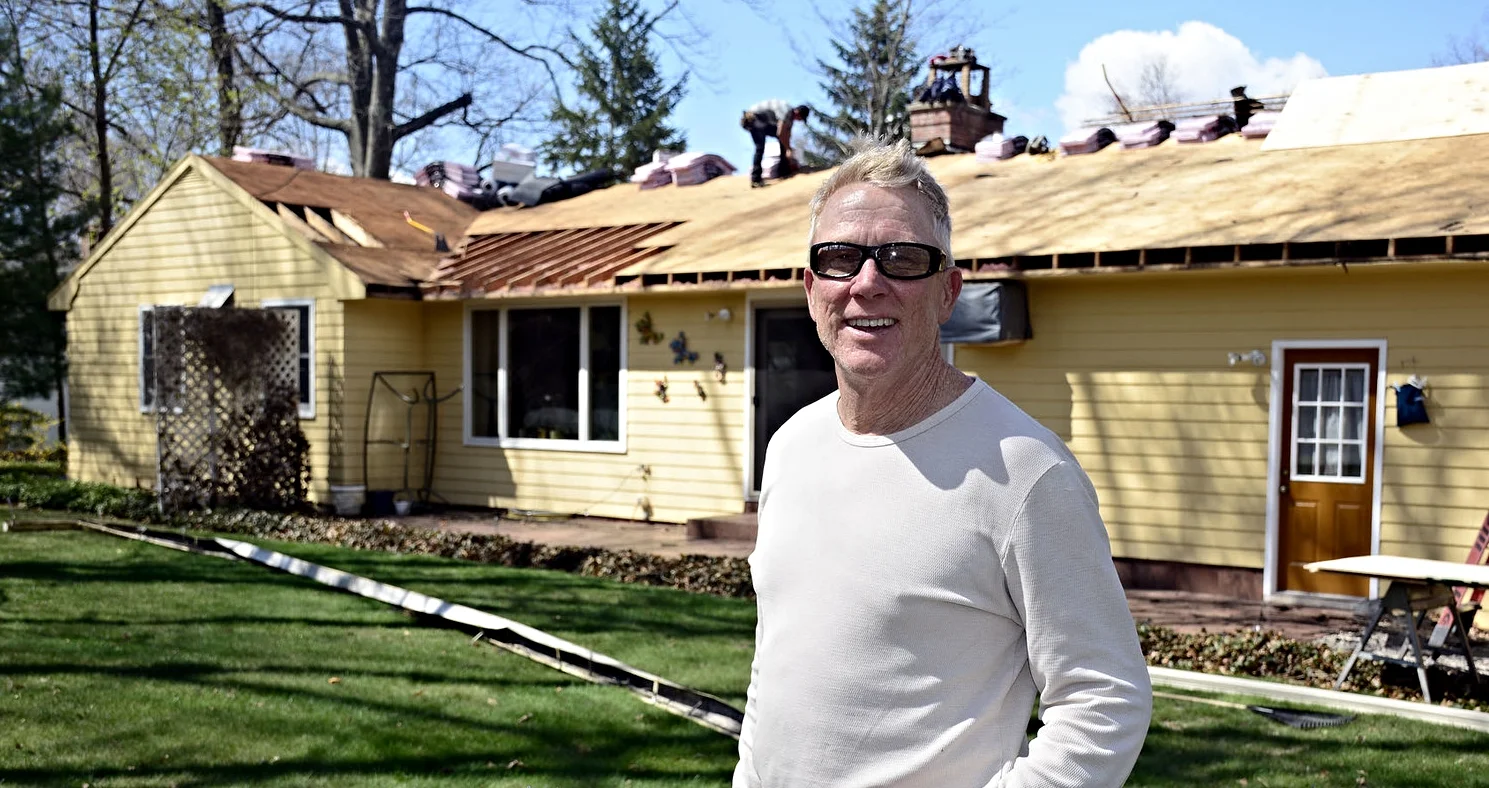
O'Donnell Bros President, Bob O'Donnell, is a regular contributor to The Bristol Press. Read his home improvement articles here.


Everything That’s Fab About Prefab

Chelsea O'Donnell

Prefabricated construction, also known as modular or off-site housing, may conjure up images of trailer park communities in your mind. But prefab has come a long way in recent years, with architects and builders creating bold new housing designs in the comfort of a facility that reduces weather-causing building delays and increases opportunities for energy efficiency.

Years ago, stick-built homes were the most popular type of new construction and most of the homes in our area were built this way. The name comes from the method by which the home is constructed, piece by piece (or stick by stick) on the site of where the structure would eventually reside. While the common perception is that stick-built houses are more strongly constructed and offer a better resale value that prefab homes, there isn’t much evidence to confirm that this is actually the case. However, there are some advantages to stick-built homes. For instance, people who want to oversee the process of the home build can do so, as the house is constructed piece by piece from the ground up instead of being manufactured in a closed facility. Additionally, a stick-built home that’s designed by an architect will take the land it is being built on into consideration for efficiency and wear and tear, where a prefab home might not provide for those same considerations.

On the flip side, prefab homes do have a lot of benefits that make them well worth considering. While many prefab homes have a more contemporary look, they can be built to achieve any aesthetic style, from modern to a traditional log cabin. While people may think that prefab homes are limited to small, simple design, they can, in fact, be incredibly large and diverse, with many of the customizations that can be achieved through a traditional stick-built home. The pre-made parts are constructed offsite in a facility and then put together like a puzzle on-site. Because the homes are manufactured in a controlled and regulated facility, there is also less room for human error during the building process.

One of my favorite advantages to prefab homes is that many are super green. There is a new trend in home building called the passive house movement, which adheres to a set of design principles that attains rigorous levels of energy efficiency, resulting in reduced output and cleaner, healthier homes. Continuous and appropriate amounts of insulation, airtight sealing, high-performance windows, heat, and moisture balanced ventilation, and various forms of solar power of some of the ways these homes tick all the boxes for a healthier planet.

One thing that’s important to note if you’re considering prefabricated construction is, of course, the costs. While often less expensive than a stick-built home, a prefab home will have base costs included but fees associated with the land, site prep, shipping and other expenses will be additional. As with any home project, it’s important to always understand all the costs and fees associated with a project before jumping in.   

Bob O’Donnell is the owner of O’Donnell Bros. Inc., a Bristol-based home improvement company established in 1975. Email your questions for Bob to info@odonnellbros.com with the subject line “Ask the Pro.” All questions may be considered for publication. To contact Bob for your remodeling needs, call O’Donnell Bros. Inc. at (860) 589-5155 or visit http://www.odonnellbros.com. Advice is for guidance only. Get in touch.

Siding Layers Cause Problems Down the Track

Chelsea O'Donnell

One of my readers sent me a question that I thought I would share this week. She said, “Dear Bob, we are thinking about getting our house re-sided but we are unsure if we should have our old wood shakes removed or if it’s better to just put new vinyl siding over the top of the old material. What would you suggest?”

I love this question because it addresses an issue that I see all the time on the job. If you’re having new siding installed and you’re on a budget, your contractor may suggest just leaving the old material on the home so they don’t have to charge you for the extra time and labor it takes to rip it off. While this is absolutely an option, there are a few reasons why it’s better to have the shakes removed and start fresh.

Firstly, the only way to check for water or termite damage is to get behind the original wood or siding material. If you’ve had issues with leaks in the past, this will only get worse if the new siding is laid over existing, rotting material.

Another point is that installing vinyl siding on top of another material such as wood shakes is difficult because it’s not a flat surface. This makes it more likely that the new siding will warp or show bumps, and it becomes increasingly probable that water will get underneath. If you’re thinking that an issue like that would be covered by the product's warranty, you’re wrong. Most siding manufacturers will void a warranty on a product that’s laid over an existing layer because it hasn’t been installed the way it was intended to be.

Something else to think about is that when you layer siding, it ends up sticking out further than your windows, which can obstruct the view outside and will leave the windows very susceptible to leak problems. I’ve seen this same issue on homes with shallow roof eaves. When there isn’t enough room for the water to run away from the house, it runs down the siding and eventually into it.

Finally, ripping away the old material and putting on new gives you the opportunity to put more insulation in your home, which keeps it warmer in the winter and cooler in the summer. A full wrap also protects your home from potential damage and ensures that the warranty will stick if anything was to happen.

So, in a nutshell, I completely understand why a homeowner would want to put new siding on top of their existing material and I agree that the option will offer cost savings in the short term. The question I would ask is if it’s worth the risk of potential problems that can arise during the lifetime of the newly installed product. My advice is to make sure to weigh all your options and ask plenty of questions before you make your decision. Good luck!

Bob O’Donnell is the owner of O’Donnell Bros. Inc., a Bristol-based home improvement company established in 1975. Email your questions for Bob to info@odonnellbros.com with the subject line “Ask the Pro.” All questions may be considered for publication. To contact Bob for your remodeling needs, call O’Donnell Bros. Inc. at (860) 589-5155 or visit http://www.odonnellbros.com. Advice is for guidance only. Get in touch.

Say So Long to Solar Panels with This Latest Invention

Chelsea O'Donnell

You’re probably familiar with Tesla, the luxury car company that made a name for itself by introducing solar energy cars to the market. Now, Tesla CEO Elon Musk has turned his attention to a different use for solar energy by announcing the launch of solar shingles which officially went on sale last week. So if you’ve been considering solar energy for your home but don’t like the look of massive panels stuck to your roof, this game changer might just be the solution you’re looking for.

If you know anything about Tesla cars, you know that they aren’t cheap and neither is the new solar roof. Installation on an average 1,800 square foot house will set you back more than $68,000, but Tesla estimates that over the roof’s 30-year life span, the solar shingles will generate over $88,000 in energy production. The 30% federal tax credit, known as the Solar Investment Tax Credit, will be available for the product and can be applied to the cost of the solar portion of the roof as well as the cost of the required Powerwall battery. Based on that percentage for this example, you’d be looking at a tax credit of $20,000 which, according to the company, brings you to around $40,000 in net earnings over the 30 year period.

The roof configuration is made up of both solar and non-solar panels, with Tesla recommending a 60-70% ratio of solar to non-solar units depending on the individual home. Unlike those unsightly solar panels we’ve come to accept as the best way to harness energy from the sun, solar roofs look very similar to a regular roof with both textured and smooth panel options which are approximately the same size as a regular roof shingle. Units designed to mimic the look of slate and Tuscan style terra cotta will both be launched in 2018.

But with our brutal seasons, will these new glass panels really be able to stand up to the weather? Tesla says yes and has given the product an infinity warranty based on the lifetime of the house. The panels also get the highest rating for wind, hail, and fire damage.

So when might you be able to get your hands on a solar roof? Tesla says they’ll begin installations in California starting in June, with a nationwide rollout planned to follow. While we aren’t sure when the product will be available yet in this area, I’m interested to know if it’s something homeowners here would want to know more about. Does a solar roof pique your curiosity? I’d love to know more. Message me on Facebook to tell me what you think at www.facebook.com/odonnellbros.

Bob O’Donnell is the owner of O’Donnell Bros. Inc., a Bristol-based home improvement company established in 1975. Email your questions for Bob to info@odonnellbros.com with the subject line “Ask the Pro.” All questions may be considered for publication. To contact Bob for your remodeling needs, call O’Donnell Bros. Inc. at (860) 589-5155 or visit http://www.odonnellbros.com. Advice is for guidance only.