Contact Us

Please feel free to get in touch to ask a question, schedule an appointment or give us your feedback. We look forward to hearing from you. 

17 Divinity St
Bristol, CT, 06010
United States

8605895155

Since 1975, O'Donnell Bros has been providing greater Bristol and Central Connecticut with residential and commercial remodeling solutions. We specialize in roofing, siding, windows, doors, gutters, downspouts and so much more. We look forward to helping you with all your remodeling needs. 

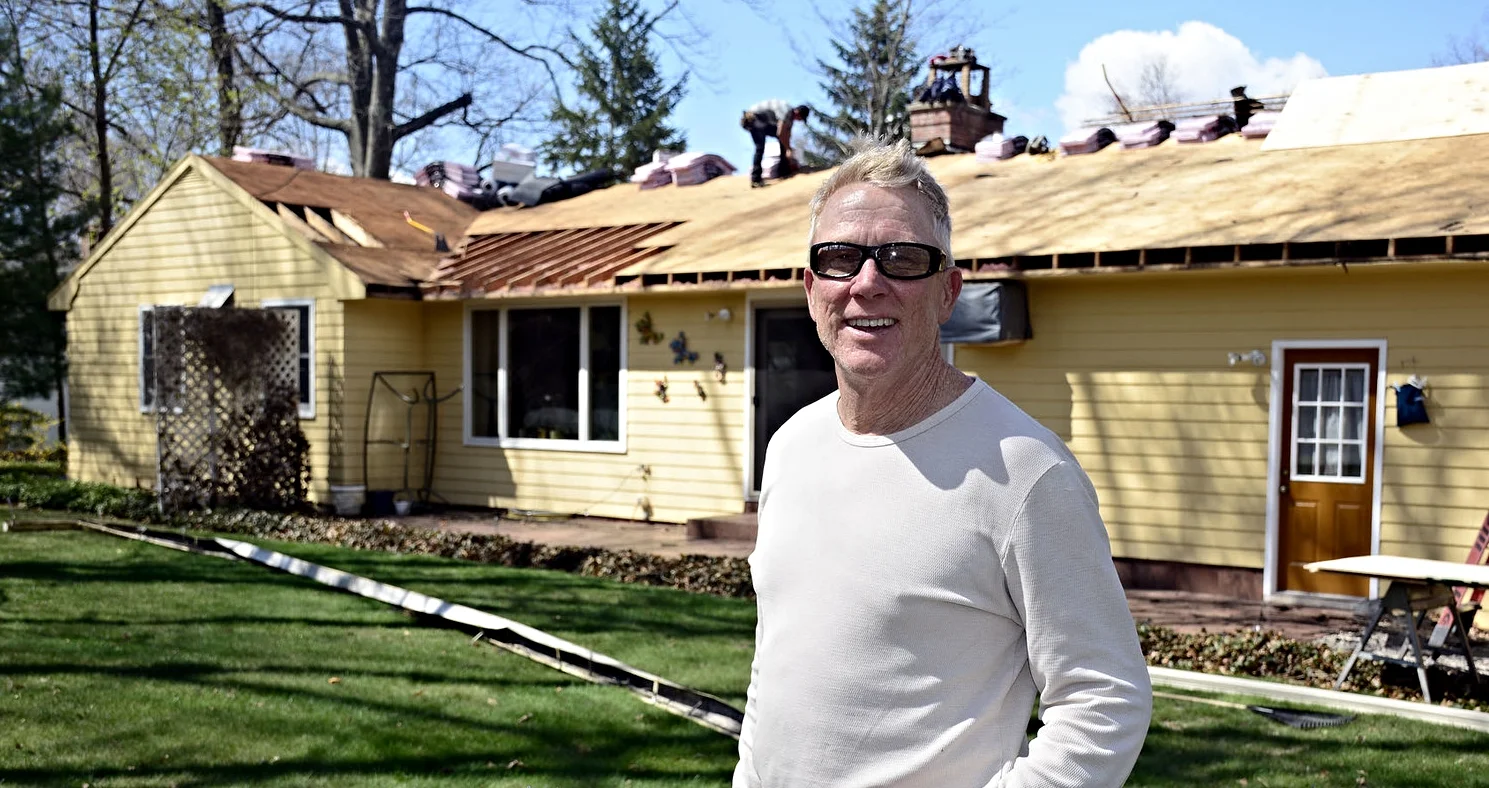
HomeImprovement-PT-050114_9032 (1).jpg

Articles

O'Donnell Bros President, Bob O'Donnell, is a regular contributor to The Bristol Press. Read his home improvement articles here.


How to Keep Your Basement Dry During the Winter Thaw

Chelsea O'Donnell

We’ve had weeks of below-zero temperatures and a solid foot of snow parked in our yards. Now the forecast is shifting into the 30s and 40s, and a whole lot of melting is happening. While that feels like progress, it’s actually one of the riskiest times of year for basement moisture problems.

Why? Because all that snow has to go somewhere, and if your home isn’t ready, it often heads straight for your foundation. So here’s how to stay ahead of snowmelt season and keep your basement dry while winter makes its messy exit.

Start with the Foundation

Your foundation is ground zero when the snow starts to melt. Take a walk around your home and look closely for cracks, gaps, or areas where water could sneak in. Even hairline cracks can become entry points once meltwater builds up.

Seal visible cracks with a quality waterproof masonry sealant, and pay attention to where the ground meets your foundation. If the soil has settled and now slopes toward the house, melting snow will follow that path right inside. Long-term, regrading may be needed, but even small fixes now can make a difference.

Clear Snow Away, Especially Now

Snow removal isn’t just about shoveling walkways. As temperatures rise, snow piled along the foundation, bulkhead, or basement windows becomes a slow-release water source.

Pull snow away from:

  • Foundation walls

  • Basement windows and window wells

  • Bulkheads and exterior stairwells

This gives meltwater room to disperse instead of pooling against your home. Think of it as redirecting traffic before there’s a pileup.

Make Sure Gutters Can Handle the Thaw

When snow melts from the roof, gutters and downspouts become critical. If they’re clogged with leaves, ice, or debris, water will overflow and dump straight at your foundation, exactly where you don’t want it.

Check that:

  • Gutters are clear and securely attached

  • Downspouts are open and directing water several feet away from the house

  • Ice hasn’t pulled gutters loose or changed their pitch

This is one of the most common causes of basement water during a thaw and one of the easiest to prevent.

Don’t Ignore Window Wells

Basement window wells love to collect snow, ice, and debris. When everything melts at once, those wells can fill up like a bathtub and leak straight through window frames.

Clear them out now and make sure the drains at the bottom are open and functioning. If you’ve had issues in the past, window well covers can help keep snow and water out altogether.

Prepare from the Inside, Too

If moisture does get in, you want to limit the damage. Interior waterproof coatings on basement walls can help reduce seepage, and a dehumidifier can keep humidity levels under control during the thaw, when damp air is common.

Condensation plus cold surfaces equals moisture, so controlling humidity helps prevent mold and musty smells from taking hold.

Test Your Sump Pump Before You Need It

Snowmelt can overwhelm a sump pump fast. Now is the time to test it, not during the first warm rain on top of melting snow.

Pour water into the sump pit to confirm it turns on, pumps efficiently, and drains properly outside. Clear any debris, and make sure the discharge pipe isn’t blocked by snow or ice.

If your sump pump fails during a thaw, water can rise quickly and cleanup is never fun.

A winter thaw might feel like relief, but it’s also when many homeowners discover problems they didn’t know they had. A little attention now can save you from water damage, mold, and expensive repairs later.

Bob O’Donnell is the owner of O’Donnell Bros. Inc., a Bristol-based home improvement company established in 1975. Email your questions to info@odonnellbros.com with the subject line “Ask the Pro.” All questions may be considered for publication. For remodeling or home improvement needs, call (860) 589-5155 or visit http://www.odonnellbros.com. Advice is for guidance only.

10 Last-Minute Ways to Protect Your Home During Extreme Cold

Chelsea O'Donnell

We’ve spent the last couple of weeks talking about frozen pipes and ice dams, and unfortunately, this weekend is shaping up to be the coldest stretch of the year. When temperatures drop this low, small oversights can turn into expensive problems fast.

The good news? You don’t need to panic or run out and spend a fortune to help your home ride out extreme cold. A few simple, last-minute steps can make a real difference now and help prevent bigger repair bills down the road.

Here are 10 practical things you can do before (and during) a deep freeze.

1. Let faucets drip just a little

A slow, steady drip keeps water moving through pipes, making them far less likely to freeze. Focus on faucets connected to exterior walls, especially in kitchens, bathrooms, and laundry areas.

2. Open cabinet doors under sinks

This allows warm air from your home to circulate around plumbing. It’s simple, free, and surprisingly effective, especially overnight when temperatures hit their lowest point.

3. Turn the thermostat up a few degrees

This isn’t the weekend to save on heating costs. A slightly warmer house helps protect pipes in walls, basements, and crawlspaces. Consistent heat is better than dramatic temperature swings.

4. Check that vents and returns aren’t blocked

Furniture, rugs, or curtains blocking vents can reduce heat circulation, creating cold pockets near exterior walls. Make sure warm air can move freely throughout your home.

5. Seal obvious drafts (temporarily is fine)

If you feel cold air coming in around doors or windows, stop it now. Towels, draft snakes, or temporary weatherstripping can help seal gaps quickly and cheaply until permanent fixes can be made later.

6. Make sure attic hatches are closed and sealed

An open or poorly sealed attic hatch allows warm air to escape, cooling your home and contributing to ice dam formation. Even a quick check can help keep heat where it belongs.

7. Clear snow away from foundations and vents

Snow piled against your house can refreeze and cause ice buildup near foundations. Also check dryer vents, furnace exhausts, and intake pipes to make sure they’re clear and functioning properly.

8. Avoid shutting off heat in unused rooms

Closing doors and turning off heat may seem logical, but it can actually increase the risk of frozen pipes in those areas. Keep temperatures consistent throughout the house.

9. Know where your main water shutoff is

This doesn’t cost a dime but it’s critical. If a pipe does burst, shutting off the water quickly can dramatically reduce damage. If you’re not sure where it is, take five minutes to find it now.

10. Don’t ignore warning signs

Unusual drafts, dripping sounds, frost on pipes, or doors suddenly sticking can all be early indicators of cold-weather stress on your home. Addressing small issues now can prevent major repairs later.

A quick reminder

Extreme cold tests even well-maintained homes. These steps aren’t about perfection, they’re about reducing risk and giving your house the best chance to get through a tough weekend unscathed.

If you’ve already dealt with ice dams, frozen pipes, or winter damage in the past, it may be worth having a professional take a look once temperatures rise. Preventative maintenance is almost always cheaper than emergency repairs.

Stay warm, stay safe, and let’s all get through this cold snap without any surprise phone calls to our insurance companies.

Bob O’Donnell is the owner of O’Donnell Bros., Inc., a Bristol-based home improvement company established in 1975. For remodeling needs, contact O’Donnell Bros., Inc. at (860) 589-5155 or visit www.odonnellbros.com. Submit questions to Bob at info@odonnellbros.com with the subject line “Ask the Pro.” All questions may be considered for publication. Advice is for guidance only.

When (and How) to Shovel Your Roof After Heavy Snow

Chelsea O'Donnell

If it feels like we’ve been living inside a snow globe lately, you’re not imagining it. Connecticut has taken a serious beating this week, and while most of us have been focused on clearing driveways and walkways, there’s another place snow quietly causes trouble: your roof.

Last week, we talked about ice dams, those thick ridges of ice that form along the roof edge and trap melting snow, often forcing water back under shingles. One of the best ways to prevent ice dams is also one of the most overlooked winter maintenance tasks: roof shoveling.

So when should you shovel your roof, why does it matter, and how do you do it safely (or decide not to do it yourself at all)?

When to shovel your roof

There’s no hard-and-fast rule like “six inches equals shovel time,” but there are some clear signals. If your roof has accumulated a foot or more of snow, especially heavy, wet snow, it’s worth paying attention. The same goes if you’re seeing icicles forming along the eaves, uneven snow melt, or signs of ice dams starting to build.

Older homes, homes with flatter or low-pitch roofs, and houses with less insulation or ventilation tend to be more vulnerable. And if we’re in one of those cycles where snow melts during the day and refreezes at night (hello, New England winter), snow buildup becomes more than just a cosmetic issue. It becomes a structural and water-infiltration risk.

Why roof shoveling matters

Snow is deceptively heavy. A roof holding several inches of wet snow can be supporting thousands of extra pounds. Over time, that stress can contribute to sagging, cracks, or long-term damage, especially if your roof was already nearing the end of its lifespan.

But the bigger issue for many homeowners is water. Snow melts, water moves, and when it refreezes at the roof edge, it has nowhere to go. That’s how you end up with leaks, stained ceilings, peeling paint, and mold growth, sometimes weeks after the snow is gone.

Roof shoveling reduces the amount of snow available to melt and refreeze, helping to prevent the ice dam cycle we talked about last week before it starts.

How to shovel your roof safely

If you’re going the DIY route, safety comes first. You should never climb onto a snow-covered roof. Instead, use a roof rake with a long extension and work from the ground. Pull snow down gently, starting at the roof edge and working upward a few feet at a time.

The goal isn’t to scrape the roof bare. In fact, you don’t want to. Leave a thin layer of snow to avoid damaging shingles. And always be aware of what’s below—snow and ice come down fast and heavy, and no one wants a surprise avalanche landing on them or their landscaping.

If your roof is steep, high, or difficult to access, or if ice has already formed, that’s your cue to stop.

When to call a professional

There’s no prize for doing this yourself. Roof shoveling can be dangerous, and every winter, people get hurt trying to save a few dollars. A professional has the right tools, safety equipment, and experience to remove snow and ice without damaging your roof or themselves.

Many local home improvement companies like ours offer roof shoveling during heavy snow seasons. We already understand roofing systems inside and out, can assess whether snow removal is necessary and handle it safely when it is. That kind of experience matters, especially when ice dams or existing roof issues are in play.

Roof shoveling isn’t something most homeowners think about until there’s a problem. But paired with good insulation, ventilation, and awareness (like spotting ice dams early), it’s one more way to protect your home during a tough Connecticut winter.

If you’re unsure whether your roof needs attention, trust that instinct or call a pro. It’s always better to address snow buildup proactively than to deal with water damage once everything melts.

Bob O’Donnell is the owner of O’Donnell Bros. Inc., a Bristol-based home improvement company established in 1975. Email your questions for Bob to info@odonnellbros.com with the subject line “Ask the Pro.” All questions may be considered for publication. To contact Bob for your remodeling needs, call O’Donnell Bros. Inc. at (860) 589-5155 or visit http://www.odonnellbros.com. Advice is for guidance only.