Contact Us

Please feel free to get in touch to ask a question, schedule an appointment or give us your feedback. We look forward to hearing from you. 

17 Divinity St
Bristol, CT, 06010
United States

8605895155

Since 1975, O'Donnell Bros has been providing greater Bristol and Central Connecticut with residential and commercial remodeling solutions. We specialize in roofing, siding, windows, doors, gutters, downspouts and so much more. We look forward to helping you with all your remodeling needs. 

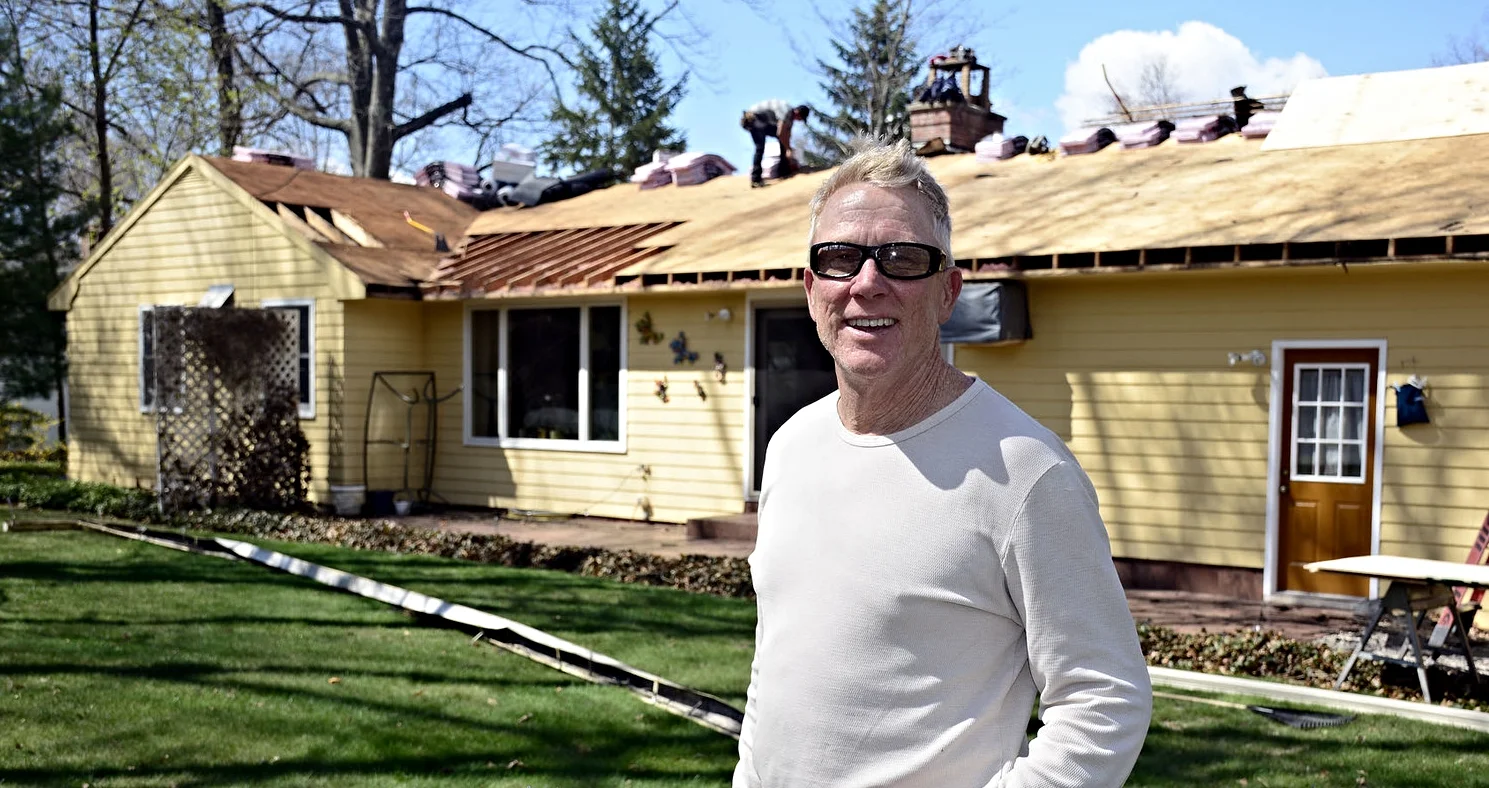
HomeImprovement-PT-050114_9032 (1).jpg

Articles

O'Donnell Bros President, Bob O'Donnell, is a regular contributor to The Bristol Press. Read his home improvement articles here.


Filtering by Tag: ice dam

When (and How) to Shovel Your Roof After Heavy Snow

Chelsea O'Donnell

If it feels like we’ve been living inside a snow globe lately, you’re not imagining it. Connecticut has taken a serious beating this week, and while most of us have been focused on clearing driveways and walkways, there’s another place snow quietly causes trouble: your roof.

Last week, we talked about ice dams, those thick ridges of ice that form along the roof edge and trap melting snow, often forcing water back under shingles. One of the best ways to prevent ice dams is also one of the most overlooked winter maintenance tasks: roof shoveling.

So when should you shovel your roof, why does it matter, and how do you do it safely (or decide not to do it yourself at all)?

When to shovel your roof

There’s no hard-and-fast rule like “six inches equals shovel time,” but there are some clear signals. If your roof has accumulated a foot or more of snow, especially heavy, wet snow, it’s worth paying attention. The same goes if you’re seeing icicles forming along the eaves, uneven snow melt, or signs of ice dams starting to build.

Older homes, homes with flatter or low-pitch roofs, and houses with less insulation or ventilation tend to be more vulnerable. And if we’re in one of those cycles where snow melts during the day and refreezes at night (hello, New England winter), snow buildup becomes more than just a cosmetic issue. It becomes a structural and water-infiltration risk.

Why roof shoveling matters

Snow is deceptively heavy. A roof holding several inches of wet snow can be supporting thousands of extra pounds. Over time, that stress can contribute to sagging, cracks, or long-term damage, especially if your roof was already nearing the end of its lifespan.

But the bigger issue for many homeowners is water. Snow melts, water moves, and when it refreezes at the roof edge, it has nowhere to go. That’s how you end up with leaks, stained ceilings, peeling paint, and mold growth, sometimes weeks after the snow is gone.

Roof shoveling reduces the amount of snow available to melt and refreeze, helping to prevent the ice dam cycle we talked about last week before it starts.

How to shovel your roof safely

If you’re going the DIY route, safety comes first. You should never climb onto a snow-covered roof. Instead, use a roof rake with a long extension and work from the ground. Pull snow down gently, starting at the roof edge and working upward a few feet at a time.

The goal isn’t to scrape the roof bare. In fact, you don’t want to. Leave a thin layer of snow to avoid damaging shingles. And always be aware of what’s below—snow and ice come down fast and heavy, and no one wants a surprise avalanche landing on them or their landscaping.

If your roof is steep, high, or difficult to access, or if ice has already formed, that’s your cue to stop.

When to call a professional

There’s no prize for doing this yourself. Roof shoveling can be dangerous, and every winter, people get hurt trying to save a few dollars. A professional has the right tools, safety equipment, and experience to remove snow and ice without damaging your roof or themselves.

Many local home improvement companies like ours offer roof shoveling during heavy snow seasons. We already understand roofing systems inside and out, can assess whether snow removal is necessary and handle it safely when it is. That kind of experience matters, especially when ice dams or existing roof issues are in play.

Roof shoveling isn’t something most homeowners think about until there’s a problem. But paired with good insulation, ventilation, and awareness (like spotting ice dams early), it’s one more way to protect your home during a tough Connecticut winter.

If you’re unsure whether your roof needs attention, trust that instinct or call a pro. It’s always better to address snow buildup proactively than to deal with water damage once everything melts.

Bob O’Donnell is the owner of O’Donnell Bros. Inc., a Bristol-based home improvement company established in 1975. Email your questions for Bob to info@odonnellbros.com with the subject line “Ask the Pro.” All questions may be considered for publication. To contact Bob for your remodeling needs, call O’Donnell Bros. Inc. at (860) 589-5155 or visit http://www.odonnellbros.com. Advice is for guidance only.

Ice Dam Prevention

Chelsea O'Donnell

While we haven’t had much snow this season, winter is still in full swing and this week’s freezing temperatures were a stark reminder that the worst is likely yet to come. It won’t be long before another storm rolls through to remind us why proper home maintenance is so critical this time of year. 


One common winter issue homeowners face is ice dams—and they can wreak havoc on your home if you’re not prepared. An ice dam forms when snow blankets your roof, creating an extra, unwanted layer of insulation. As warm air rises from your home into the attic, it melts the snow on your roof. The water then slides down to the eaves and gutters, where the colder surface temperatures cause it to refreeze. Over time, this process creates a growing mass of ice at the edge of the roof, commonly known as an ice dam.

These icy buildups are more than a minor inconvenience—they can cause significant damage. Heavy ice can tear gutters away from your home or even lift roof shingles, leaving gaps for water to seep into your attic. From there, leaks can spread to ceilings and walls, creating a costly mess.

The key to preventing ice dams is ensuring your home is properly insulated and ventilated. Unfortunately, many homes in our area lack adequate insulation. In fact, more than 75% of New England homes are under-insulated, allowing heat to escape straight through the roof. This problem is often a result of outdated building standards—homes built decades ago weren’t designed to handle the harsh winters of Connecticut.

By upgrading your home’s insulation and ventilation, you’ll do more than just protect your roof. A well-insulated home is more comfortable year-round, keeping you warmer in the winter and cooler in the summer. You’ll notice the difference immediately and see the impact on your energy bills too. Proper ventilation also helps reduce the risk of mold and mildew buildup, which can harm both your home and your health.

Investing in these upgrades is a simple yet powerful way to protect your family, your house, and your budget. Don’t wait for the next big storm to highlight what’s missing—take steps now to keep your home safe and comfortable all year long.

Bob O'Donnell is the owner of O'Donnell Bros, Inc., a Bristol-based home improvement company established in 1975. Email your questions for Bob to info@odonnellbros.com with the subject line “Ask the Pro”. All questions may be considered for publication. To contact Bob for your remodeling needs, call O'Donnell Bros, Inc. at (860) 589-5155 or visit www.odonnellbros.com. Advice is for guidance only.

Watch for Ice Dams

Chelsea O'Donnell

With a week of snow, ice, and temperatures all over the place, it’s a great time to remind homeowners about ice dams. 

Ice dams occur when the heat from the inside of a house melts the snow on the roof, causing water to run down and refreeze at the edge of the roof. Over time, this can create a thick layer of ice that can cause damage to the roof and even leak into the house.

The first sign of an ice dam is often the formation of icicles on the edge of the roof. While icicles may look pretty, they are a warning sign that water is not draining properly and may be backing up under the roof shingles. Other signs of an ice dam include water stains on the ceiling or walls, peeling paint or wallpaper, and damp insulation.

Preventing ice dams is much easier than dealing with them after they form. Here are some steps you can take to make sure your home isn’t susceptible to the problem:

  1. Keep your gutters clean. Gutters filled with debris can cause water to overflow and freeze on the edge of the roof, leading to ice dam formation.

  2. Insulate your attic. A well-insulated attic will keep the heat inside your house from melting the snow on the roof.

  3. Ventilate your attic. Proper ventilation will help prevent heat buildup in the attic, which can contribute to ice dam formation.

  4. Consider installing an ice and water shield. This is a type of roofing material that is designed to prevent water from seeping into the house if an ice dam forms.

If you already have an ice dam, there are a few things you can do to remove it:

  1. Use a roof rake to remove snow from the edge of the roof. This can prevent more water from backing up and freezing.

  2. Fill a pair of pantyhose with calcium chloride ice melt and lay it across the ice dam. This can help melt the ice and create a channel for water to escape.

  3. Hire a professional. Removing an ice dam can be dangerous, especially if you have to climb on a ladder or walk on a slippery roof. It's best to leave this job to the professionals.

Ice dams are both a common and serious issue that can cause damage to your roof and home. Taking steps to prevent ice dams from forming is the best way to avoid this problem. If you do have an ice dam, there are ways to remove it, but it's important to be cautious and seek professional help if necessary.

Bob O’Donnell is the owner of O’Donnell Bros. Inc., a Bristol-based home improvement company established in 1975. Email your questions to info@odonnellbros.com with the subject line “Ask the Pro.” All questions may be considered for publication. To contact Bob for your remodeling needs, call O’Donnell Bros. Inc. at (860) 589-5155 or visit http://www.odonnellbros.com. Advice is for guidance only.