Contact Us

Please feel free to get in touch to ask a question, schedule an appointment or give us your feedback. We look forward to hearing from you. 

17 Divinity St
Bristol, CT, 06010
United States

8605895155

Since 1975, O'Donnell Bros has been providing greater Bristol and Central Connecticut with residential and commercial remodeling solutions. We specialize in roofing, siding, windows, doors, gutters, downspouts and so much more. We look forward to helping you with all your remodeling needs. 

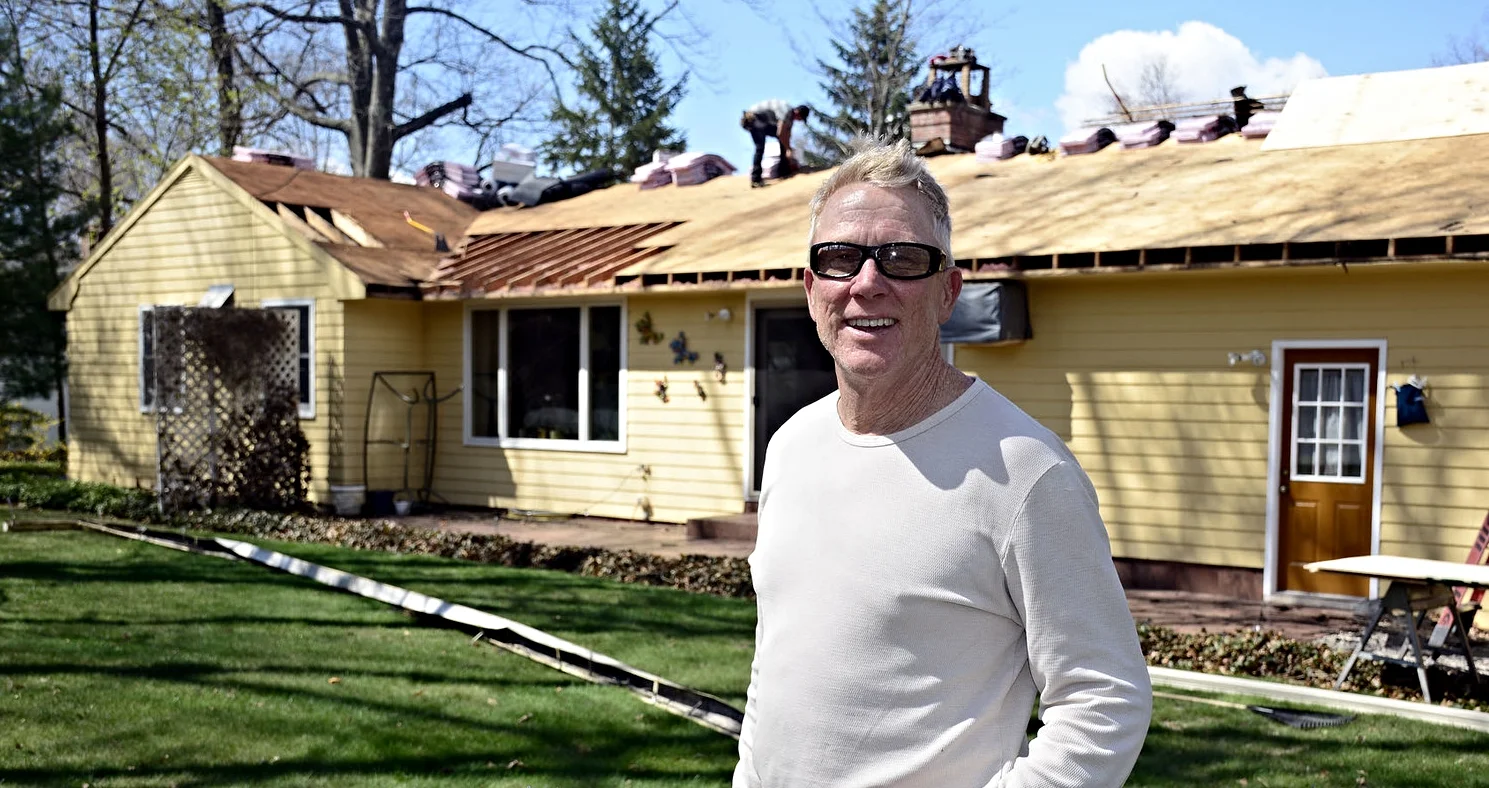
HomeImprovement-PT-050114_9032 (1).jpg

Articles

O'Donnell Bros President, Bob O'Donnell, is a regular contributor to The Bristol Press. Read his home improvement articles here.


Wind Damage Tips To Prepare Your Home for Future Storms

Chelsea O'Donnell

This week’s wild weather was not to be taken lightly. I’ve had calls from all over the area to fix roofs, repair gutters, and replace siding that was damaged. While high winds aren’t very common, they can cause major headaches for homeowners, especially those who have to go through the process of making an insurance claim. With that being said, here are my six tips for “weathering the storm” that inevitably comes with unanticipated damage to your home.

Check your policy now

Every insurance policy is unique and it’s really important to review your coverage annually to make sure you’re up to date with the inclusions and exclusions. Most homeowner's policies cover damage due to wind but other storm-related issues such as flooding are usually not part of the deal. The State of Connecticut Insurance Department has a basic homeowner’s storm damage FAQ on their website, but because all policies and insurers are different, it’s worth talking to your agent.

Be very careful

Damage can’t always be seen, so it’s important to exercise extreme caution. Inspect the power lines around your home as well as the trees. Even if nothing is down now, a broken limb could fall later, so it’s better to be diligent. Also, be sure to watch for leaks in the days and weeks after bad weather. High winds often rip off shingles, leaving roofs exposed to water. 

Make use of your camera

The most common types of storm-related damage are to roofs, windows, siding, and windows. As you inspect your home, take photos or everything and don’t move anything unless it's necessary. Video is also a great way to document any potential damage. The more evidence that you have, the better off you’ll be when you go to make an insurance claim. 

Call your insurance company

Once you’ve assessed any potential damage, you can get in touch with your insurance provider. Do this as soon as possible and be ready with all the documentation that you’ve collected. Your insurer will be able to assess the damage to your home and help you understand what's covered by your policy. They’ll also connect you to a claims agent if required.

Make repairs

After you’ve reported any damage, it’s time to clean up. Leaving exposed areas uncovered and not fixing leaks will create much bigger issues, so be sure to clear and patch any problem spots. Do not ever try to touch downed power lines or electrical equipment - report those to your electricity provider or even your town’s fire department. 

Hire a good, local contractor

Believe it or not, there are some hacks out there who chase storm damage, taking advantage of homeowners who need a fast fix. Don’t fall for these traps - look for someone local, reputable, who has a good track record, and is fully licensed and insured. The Better Business Bureau is a great place to get started.

Bob O’Donnell is the owner of O’Donnell Bros. Inc., a Bristol-based home improvement company established in 1975. Email your questions to info@odonnellbros.com with the subject line “Ask the Pro.” All questions may be considered for publication. To contact Bob for your remodeling needs, call O’Donnell Bros. Inc. at (860) 589-5155 or visit http://www.odonnellbros.com. Advice is for guidance only.

Tackling Humidity Hazards at Home

Chelsea O'Donnell

Usually, I talk about mold after we’ve had a lot of rain, but with all this humidity compounded by hot temperatures, many homes that I’ve been in lately are a breeding ground for mildew and air quality problems. 

First a bit of background. Mold is made up of thousands of microscopic spores that travel through the air until they land on a surface. They love to live in places that hold water, which is why you often see mold growing on trees, roofs, and other places that stay warm and damp. Indoor mold generally develops after being carried in from the outdoors and homes that tend to hold a lot of humidity are more susceptible to an infestation. 

Why is this a problem? Many people are sensitive to mold and mildew, especially children and the elderly. It can cause illness, asthma, and a host of other respiratory issues. The worst part is that mold grows and spreads incredibly quickly and cannot be contained without removing its food source - water.   

So how can you get rid of mold in your living space, or prevent it from making a home in yours? Here are my top tips.

  1. Run a dehumidifier in your basement constantly. I have an air-tight finished basement and I still run a dehumidifier 24/7. The goal here is to keep your air humidity at or below 50%. When it’s raining or super humid, don’t be surprised if you have to dump the water hold twice a day. 

  2. Always use the extractor fan while showering or cooking. With so much water in the air from the weather, the last thing you want to do is add more inside your home. Be sure that your fans vent outside, not in the attic. Otherwise, you’ll just be redirecting the moisture to another part of the house. 

  3. An air conditioner is not a dehumidifier. Sure, it will remove some humidity but an air conditioner’s main function is to cool the air, rather than remove the moisture. If you find yourself running your A/C unit to control your humidity, you’re going to end up with an expensive energy bill and not too much to show for it.

  4. Store unused clothing and linens in airtight plastic. People often put winter clothes and bedding up in the attic, which can be a breeding ground for mold if the area is not ventilated properly. Keeping the attic vented is key, good airflow can slow or even prevent mold growth.

  5. Rain will be coming so check your drainage. Gutters should be clean and in working order and your landscaping should slope away from the foundation so you don’t have standing water at the base of your home. Make sure your downspouts extend at least four feet out and away from the house.

In short, a house with high humidity is nothing to ignore. If you suspect that your home might be susceptible to mold, it’s worth purchasing an inexpensive humidity gauge to find out. Remember, a mold problem can be a serious health risk to your family if not dealt with properly. 

Bob O’Donnell is the owner of O’Donnell Bros. Inc., a Bristol-based home improvement company established in 1975. Email your questions for Bob to info@odonnellbros.com with the subject line “Ask the Pro.” All questions may be considered for publication. To contact Bob for your remodeling needs, call O’Donnell Bros. Inc. at (860) 589-5155 or visit http://www.odonnellbros.com. Advice is for guidance only.

Driveway Options To Lift the Look of Your Home

Chelsea O'Donnell

While it’s obvious that a driveway is a convenient place to park your car, it also offers considerable curb appeal and can increase the resale value of a home if a potential sale is in your near future. Of course, when choosing driveway material, there are many to consider and what works for one house might not work so well for another. So let’s go through the pros and cons of the four most popular options to help you make the best decision for your home.

Asphalt

This is the most popular driveway material and for good reason - it’s practical and easy to install. An average asphalt driveway can typically be laid in a day and if properly maintained, they can last for up to 30 years or more. An asphalt driveway is also a safe bet with our cold winters and hot summers as they can stand up to severe temperature changes. Sounds pretty good right? I think so, but there are a few drawbacks to be aware of. For starters, asphalt only comes in one color - black. So if you’re looking for something special to match the aesthetic of your home, you aren’t going to find it here. Another thing to consider is that asphalt does crack and crumble with age, but problem areas can be resealed so you don’t need to replace the whole driveway with every blemish.

Gravel

For people looking for a driveway solution on a budget, gravel might be the way to go. While they aren’t as popular as they once were, gravel is great for very long or intricately shaped paths. On the flip side, using loose stones can get very sloppy and you’ll likely find yourself regularly going out to get new materials to replace what’s been lost from both the weather and everyday use. Gravel is also tough to plow and shovel, so take that into consideration if your driveway gets a lot of snow.

Pavers

No one can deny the beauty of a brick or stone driveway. Homeowners love them for an upscale look that can mimic the style of the property while still offering a strong and reliable material that will last for decades. Of course, with beautiful pavers also comes high product and labor costs as each piece will have to be laid by hand. Take this into consideration when you’re thinking about which material to use as paver installation will likely have your driveway out of commission for a lot longer than some of the other options.

Concrete

If you’d like a driveway with some individuality but don’t want to fork over the cash for pavers, concrete might be your best bet. Concrete is poured quite easily so the installation is relatively fast, although you’ll need to wait a week to drive on it. There are also many options to stamp or dye the material to create a unique look, including mimicking the design of pavers. While concrete is still more expensive than asphalt, it also lasts a really long time - 30 years or more. The downside? Concrete can be susceptible to cracking and can be pricier to fix.

No matter what type of driveway material you decide on, the end result will only be as good as what’s underneath the material. A qualified professional will discuss elevation, drainage, and environmental factors to help you make the best choice for your home.

Bob O’Donnell is the owner of O’Donnell Bros. Inc., a Bristol-based home improvement company established in 1975. Email your questions for Bob to info@odonnellbros.com with the subject line “Ask the Pro.” All questions may be considered for publication. To contact Bob for your remodeling needs, call O’Donnell Bros. Inc. at (860) 589-5155 or visit www.odonnellbros.com. Advice is for guidance only.