Contact Us

Please feel free to get in touch to ask a question, schedule an appointment or give us your feedback. We look forward to hearing from you. 

17 Divinity St
Bristol, CT, 06010
United States

8605895155

Since 1975, O'Donnell Bros has been providing greater Bristol and Central Connecticut with residential and commercial remodeling solutions. We specialize in roofing, siding, windows, doors, gutters, downspouts and so much more. We look forward to helping you with all your remodeling needs. 

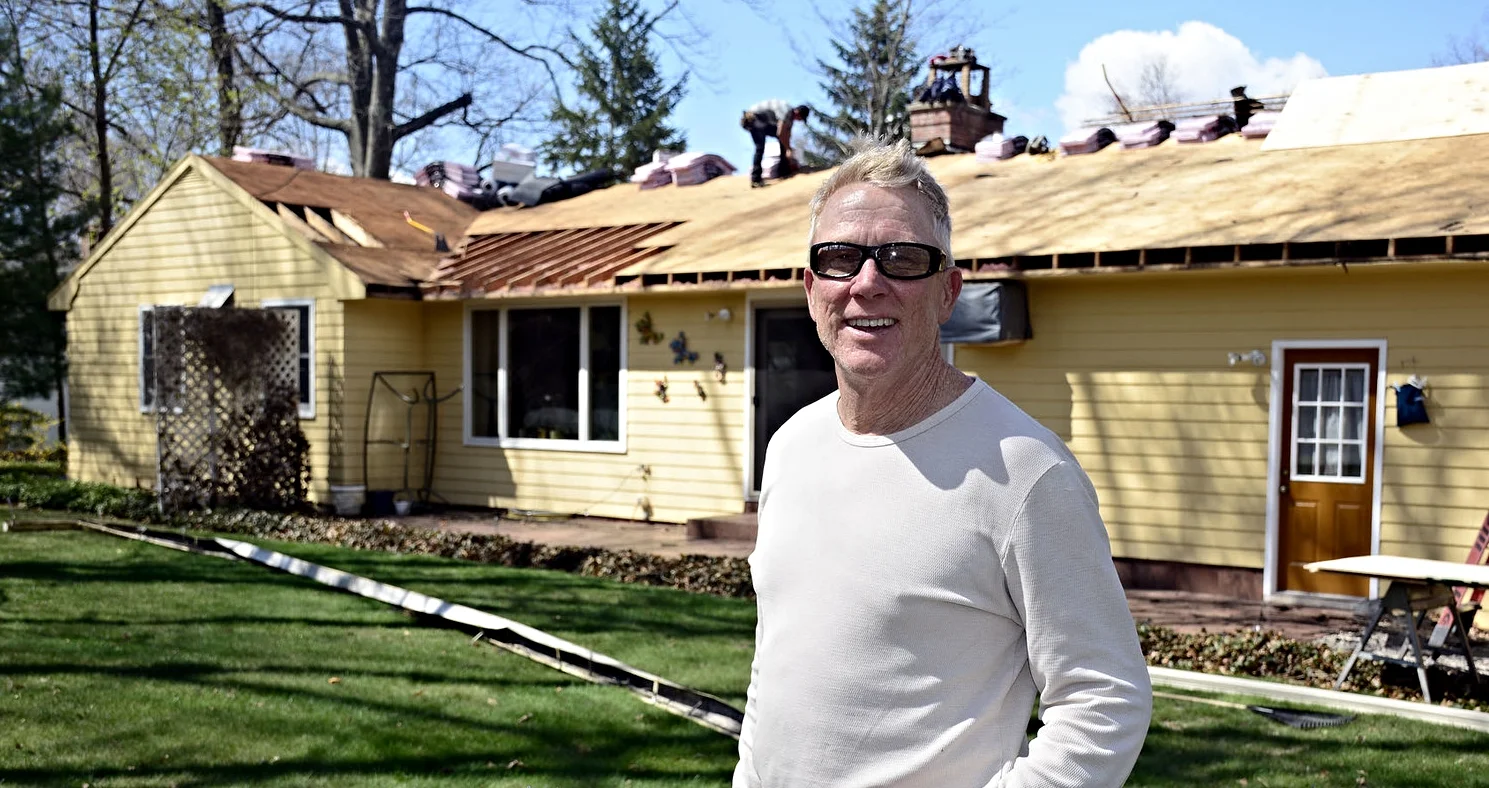
HomeImprovement-PT-050114_9032 (1).jpg

Articles

O'Donnell Bros President, Bob O'Donnell, is a regular contributor to The Bristol Press. Read his home improvement articles here.


Ceiling Cracks - A Simple Problem?

Chelsea O'Donnell

This question from a reader might resonate with many of you. “Dear Bob, I noticed a ceiling crack has appeared in my bathroom ceiling near my shower. What should I do?”

I am so glad the reader asked this question because it's incredibly common and can easily happen in any home. The reason ceiling cracks appear is because the bathroom usually holds the most moisture in the house. If the bathroom doesn't have proper ventilation, water and steam from the shower can get trapped in the ceiling, softening the drywall and eventually cracking the paint. An easy cosmetic fix could be to fill in the cracks and repaint the ceiling, but my advice is to first check to ensure no leaks or drainage issues are causing the problem in the first place.

I spend a lot of time in attics and I often see bathroom fans that have been disconnected or knocked off track. So while they sound like they are working, they aren't actually extracting the moisture properly. First-floor bathrooms can be even more susceptible to cracking because of the possibility of plumbing leaks inside the ceiling that originate from an upstairs bathroom. 

So what can you do? If you fix the crack, you don't want it coming back again. Start by making sure you have no leaks or damage in your plumbing. If the area looks wet and doesn’t dry out after using the shower, it is likely an issue coming from inside the ceiling itself, in which case you’ll want to call a plumber. If the ceiling dries after each shower, it’s probably just an extraction problem.

Now have a look at your bathroom fan to ensure that it's working properly. If the fan is old, it's probably worth having it replaced. Older fans or ones that aren’t working well are leaving moisture in the air, which will crack your paint. A good fan should extract moisture in 15 minutes and should be directed outside, not in the attic. 

Once you're ready to patch and paint, make sure the surfaces are very dry and use a water-resistant compound and paint to repair the ceiling. Ensure you give the compound plenty of time to dry before painting - I recommend one day or more. Finally, make sure you're preventing any excess moisture build-up in the future by running the fan during and for 20 minutes after each shower. 

I love hearing from my readers, so please keep those questions coming!
Bob O'Donnell is the owner of O'Donnell Bros, Inc., a Bristol-based home improvement company established in 1975. Email your questions for Bob to info@odonnellbros.com with the subject line “Ask the Pro”. All questions may be considered for publication. To contact Bob for your remodeling needs, call O'Donnell Bros, Inc. at (860) 589-5155 or visit www.odonnellbros.com. Advice is for guidance only.

It's Time To Get That Chimney Prepped for Winter

Chelsea O'Donnell

As cooler nights start to set in on our part of Connecticut, it won’t be long until we have to start firing up the heat. So as you get your rakes ready and you give your water heater some attention, it’s also a great time to clean out that chimney. Here are my top tips. 

First, don’t leave ash and residue hanging around for another season. Fireplaces and chimneys are involved in over 40 percent of all home-heating fires so a preventative annual clean-out should definitely be on your list. If you have a regular wood-burning fireplace, remove all the old ashes with a shovel and bucket and get rid of any residual materials with an industrial vacuum or heavy-duty hand broom and dustpan. 

It’s important to note that during winter you never want ashes to accumulate more than two inches in depth.  Also, remember that ashes are just disintegrated wood, so feel free to discard them into your compost pile.  Once the ashes are cleared, you can remove any soot and fire stains with a spray bottle of soapy water and a tough, wire scrub brush. If stains are really hard to remove a muriatic acid solution will do the job. It’s available at most hardware stores. 

Once your fireplace is squeaky clean, it’s time to inspect the flue. Look up the fireplace and search for any cracks or damage. You’ll also want to keep an eye out for creosote build-up, which can be highly flammable and result in chimney fires if not removed properly. If you see any blockage, cracks, or deposits during a visual inspection, you’ll want to get the flue looked at by a professional. 

Now comes the hardest part – the chimney. First, make sure that you are comfortable on a roof and using a ladder. If you aren’t, leave this part of the job to an expert. From the roof, look around your chimney and remove any leaves or debris that may have piled up over the winter. If your chimney is open and you don’t use it often, it can be a great nesting place for birds and small animals.  Don’t let this happen; invest in a wire screen cover to ensure nothing from the outside can get in. Also, take a look at the mortar between the bricks to make sure it is in good condition and nothing is cracking or crumbling. If mortar needs to be replaced, remove the damaged segments and re-pack them with weather-resistant ready-mixed mortar from the hardware store. 

Finally, you’ll want to inspect your flashing, which is where the chimney meets the roof. This should create a watertight seal, so make sure nothing looks loose or like it is coming undone, otherwise you could be at risk for a leak. If the seal is at all damaged or worn away, you’ll want to get it repaired immediately. 

I can’t reinforce enough that chimney maintenance is a must and something that shouldn’t be put off. If you don’t know what to look for or aren’t comfortable taking on the job, get a certified chimney sweep to give you a thorough inspection or call me for a recommendation. The peace of mind in knowing that your home is safe from a preventable fire is worth the price of a simple assessment. 

Bob O’Donnell is the owner of O’Donnell Bros. Inc., a Bristol-based home improvement company established in 1975. Email your questions for Bob to info@odonnellbros.com with the subject line “Ask the Pro.” All questions may be considered for publication. To contact Bob for your remodeling needs, call O’Donnell Bros. Inc. at (860) 589-5155 or visit http://www.odonnellbros.com. Advice is for guidance only.

Solar Panels Make Great Homes for Unwanted Guests

Chelsea O'Donnell

I recently had a call from a reader for a roof repair. With all the rain we’ve had recently, it has been a very busy summer for remodeling professionals but this call was a bit different than your average leak. The reader had solar panels installed a few years ago and not long after, she had noticed debris peeking from underneath. Fast forward to this summer’s deluge of rain and the leaks began. 

When I got to the house, I knew immediately what had happened. Solar panels not only attract heat but also create shelter, offering two incentives for critters to build nests. Birds are one thing but small animals such as squirrels will actually chew right through the solar panel wiring as well as the roof’s shingles. In this reader’s case, the squirrels had indeed made a meal of the roof itself, causing water to get right through the plywood and into the attic. The repair entailed removing the solar panels and patching the roof to ensure it wouldn’t be susceptible to more leaks come winter. 

If you’re wondering how common this problem is, the answer is very. A solar panel makes the perfect home for an unwanted guest. It offers shelter, warmth, and easy access to food and nest-building materials. Once an animal has built a nest, it’s almost guaranteed that they are going to cause some damage unless their home is removed. 

So what’s to stop the critters from coming back? If you’ve invested in solar panels, it’s worth also protecting them from potential damage. Most solar panel companies offer a guard that works just the same as a garden fence - it protects the solar panel and underlying roof from nesting birds and animals. Nests themselves reduce the airflow underneath a solar panel, causing the area to heat up and lessen the efficiency of the system. Animals like squirrels love to chew and wiring is just plain fun to chomp right through, so you need to stop them in their tracks. 

If you’re just considering solar, don’t forget to ask your provider for an animal control solution. For those of you who have panels that aren’t protected, there are plenty of options available. To prevent unwanted guests, it’s simple to use wire mesh, but the key is to make sure there are no gaps as rodents can push themselves through tiny, seemingly impossible spaces. As with any roof work, don’t try to install a DIY solution yourself unless you are very comfortable on a ladder and have the proper safety equipment. A roofing contractor or your solar panel installer will be able to help you do the job safely. 

Bob O’Donnell is the owner of O’Donnell Bros. Inc., a Bristol-based home improvement company established in 1975. Email your questions to info@odonnellbros.com with the subject line “Ask the Pro.” All questions may be considered for publication. To contact Bob for your remodeling needs, call O’Donnell Bros. Inc. at (860) 589-5155 or visit http://www.odonnellbros.com. Advice is for guidance only.