Contact Us

Please feel free to get in touch to ask a question, schedule an appointment or give us your feedback. We look forward to hearing from you. 

17 Divinity St
Bristol, CT, 06010
United States

8605895155

Since 1975, O'Donnell Bros has been providing greater Bristol and Central Connecticut with residential and commercial remodeling solutions. We specialize in roofing, siding, windows, doors, gutters, downspouts and so much more. We look forward to helping you with all your remodeling needs. 

HomeImprovement-PT-050114_9032 (1).jpg

Articles

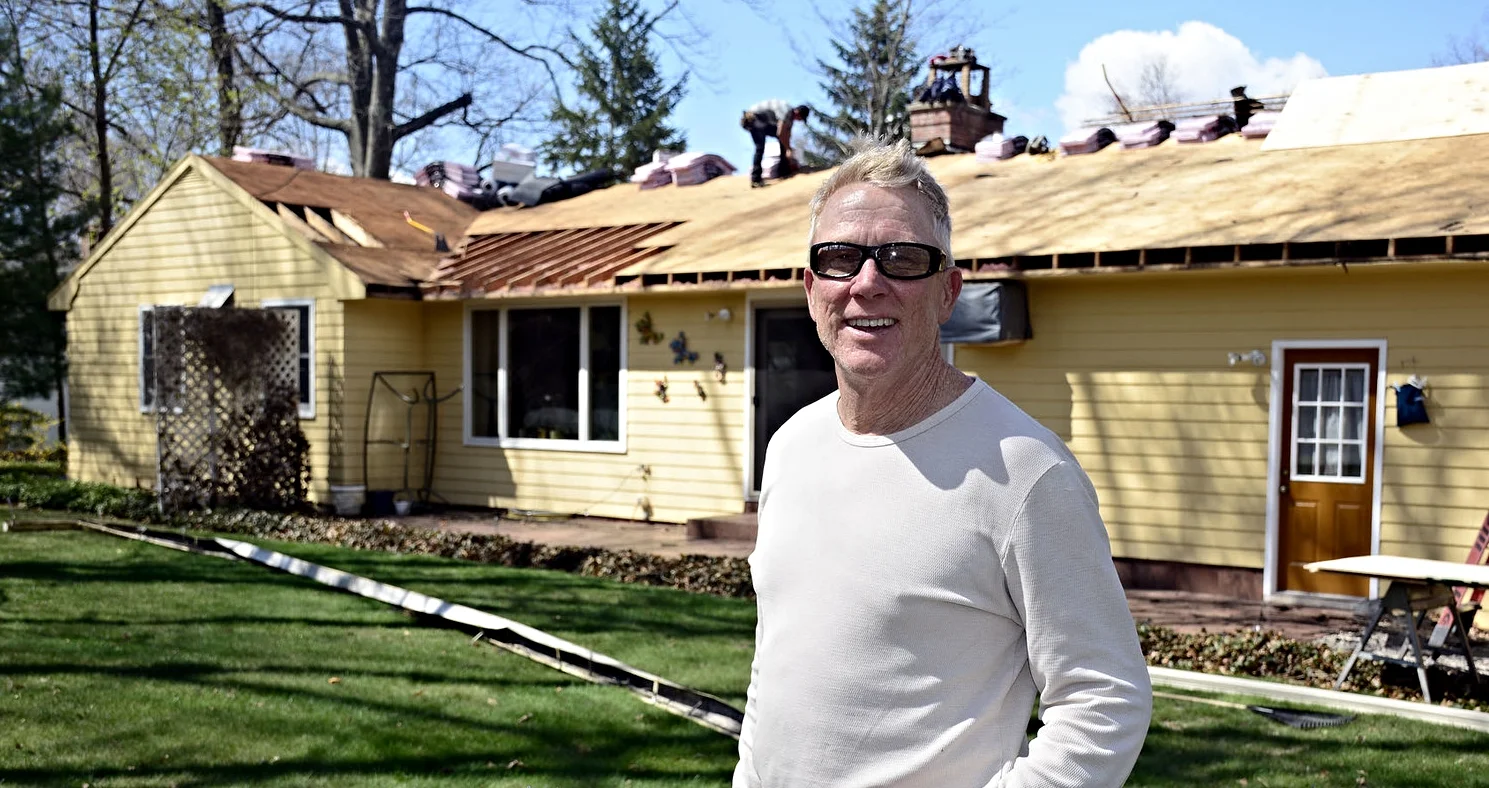
O'Donnell Bros President, Bob O'Donnell, is a regular contributor to The Bristol Press. Read his home improvement articles here.


Asphalt Versus Metal Roofs

Chelsea O'Donnell

When thinking about a new roof, finding the right contractor, negotiating the best price, and deciding on the color and style are just a few of the options to navigate. But in the past, one thing homeowners often didn’t have to think about was the material, as asphalt roofs have been the most popular choice in our area for their cost-effectiveness and durability. But recently, metal has begun increasing in popularity. While metal roofs are more common in areas of the country with more extreme weather conditions, it’s always good to know about the different options available. So let’s take a deeper dive into the pros and cons of asphalt and metal roofs to help you make the best decision for your home.

The Asphalt Roof

Asphalt is the most popular choice with homeowners for a variety of reasons, but the single most important factor is almost always the price. The average cost to purchase the materials for an asphalt roof is nearly one-third of the cost of a metal roof. That cost differentiation gives asphalt the leg up almost every time. In addition to being the more cost-effective option of the two choices, there is a lot to love about asphalt. Individual shingles give a homeowner lots of color and design choices, and they are faster to install than a metal roof, often taking just a few days of labor. While most asphalt roofs come with a 30-year warranty, they are easy to repair if damaged, and a small section can be replaced without having to get a whole new roof. The material also performs exceptionally well in the rain, heat, sleet, and snow.

Of course, there are a few negative aspects of asphalt roofing that homeowners should be aware of. If you’re installing a new asphalt roof, I always recommend removing the old roof before installing new material, which does add to the labor cost. Another negative factor is the chance that mold, mildew, and algae will grow if a roof is shaded and stays damp for long periods of time. Also, while our Connecticut weather isn’t as severe as other parts of the country, very high winds can loosen shingles if they aren’t installed properly.

The Metal Roof

Even though they aren’t as common in our area, metal roofs have some very attractive qualities that make them worth considering. Firstly, the material is lighter than traditional asphalt roofs, and the metal sheets can often be installed right over regular asphalt as long as it doesn’t have water damage or rotten plywood underneath. Metal roofs also last longer than asphalt roofs, and maintenance is minimal. Mold and mildew cannot grow on metal so if you live in a damp area with lots of shade, this might be a worthwhile benefit. Another plus is that metal roofs are energy efficient all year round, helping to keep the house cooler in the summer and warmer in the winter. Plus they perform very well in areas with very high-level snowfall.

Of course, there are a few cons that homeowners should be aware of, and the biggest one is cost. While metal roofs do last longer, the upfront cost can be three times as much as an asphalt roof. Additionally, if a metal roof needs to be repaired, that will also cost more as metal roofs are made in sheets and need to be replaced in that way. From an aesthetic perspective, metal roofs do come in different colors, but there aren't many more options in terms of design and aesthetics. Finally, it’s important to know that without the proper plywood installation and insulation, metal roofs can be noisy, which might not be a con for people who love the sound of rainstorms.

No matter which material you use, it’s important to do your research to find the best product for your individual home. The right roof with the right contractor at the right price will ensure that you live comfortably with peace of mind for many years to come.

Bob O’Donnell is the owner of O’Donnell Bros. Inc., a Bristol-based home improvement company established in 1975. Email your questions to info@odonnellbros.com with the subject line “Ask the Pro.” All questions may be considered for publication. To contact Bob for your remodeling needs, call O’Donnell Bros. Inc. at (860) 589-5155 or visit http://www.odonnellbros.com. Advice is for guidance only.

Spring Gutter Protection Cuts Down Maintenance All Year Long

Chelsea O'Donnell

While most people think about gutter cleaning in the autumn, the falling of spring blossoms also causes clogging that can create overflows and inadequate rainwater drainage. 

Gutters have come a long way in the past few years. Back when many of the homes in this area were built, open gutters were used to collect precipitation off the roof and deposit it onto the ground through a system of downspouts. Open gutters, however, allow not only water but leaves, whirlybirds, blossoms, and sticks to also fall into the gutter, clogging them up and eventually causing overflow without regular cleaning.

Gutter cleaning keeps me busy, mainly because it’s a dirty job that can also be dangerous if you’re not used to working on a ladder. Luckily, over the past few years, gutter manufacturers have smartened up, creating shields to install over your current gutters, as well as closed gutter systems that can replace your current setup.

Gutter guards come in a variety of materials and sizes, but they are all designed to maximize water flow through while keeping tree debris out of the channel. The least expensive option is steel mesh screens which slide in and sit above the gutter lip itself. The arch design helps to ensure that debris can’t get stuck in the back of the gutter and they generally come with a five-year warranty against rusting or corrosion.

A step up from mesh screens is a heavy-duty aluminum option that can be fitted from the front and back, avoiding the need to remove roof shingles for installation. These products come with a ripple design to prevent leaves from drying on the surface and they are generally backed by a 20-year warranty so you don’t have to worry about replacing often. I like these because the design strengthens the gutter which comes in very handy during major snowstorms when many homes in the area suffer from heavy and dangerous ice dams.

Finally, there is Leaf Relief, a heavy aluminum gutter shield that can drain nearly 30 inches of rainfall in one hour, which is 15 inches more than the highest rainfall ever recorded (for inquiring minds, that’s 12 inches in one hour in Holt, Missouri). For homeowners who want no maintenance, this is the gutter product for you. The 25-year no-clog, no-overflow warranty gives it the same lifespan as a new roof and the inset design makes it invisible from the road. Best of all, dry debris blows away with only a six-mile per hour breeze.

No matter what type of gutter guard you choose, you want to make sure that it’s the best product for your home. While any gutter guard will reduce debris getting into your gutter, the right guard will depend on the trees in the area, how much rainfall you get, the position of your home, and the size and age of your current gutters. Once those factors are taken into consideration and the appropriate product is chosen, you can say goodbye to messy cleaning and enjoy less maintenance at your home.

Bob O’Donnell is the owner of O’Donnell Bros. Inc., a Bristol-based home improvement company established in 1975. Email your questions for Bob to info@odonnellbros.com with the subject line “Ask the Pro.” All questions may be considered for publication. To contact Bob for your remodeling needs, call O’Donnell Bros. Inc. at (860) 589-5155 or visit http://www.odonnellbros.com. Advice is for guidance only.

Mulch Basics for a Beautiful Yard

Chelsea O'Donnell

It seems like everyone is out mulching lately and for good reason. While spreading mulch is a big job, it has many benefits that make overall yard maintenance much easier throughout the season. From reducing weeds to enriching soil to beautifying the landscape, getting your hands dirty from this springtime activity will pay for itself sooner than you’d expect. 

Let’s start by giving you a few basics. The pros use mulch to cover bare soil in flower beds, around trees, and anywhere without grass that’s susceptible to weeds. Mulch acts as a protectant; it keeps the soil warm and moist while keeping weeds at bay. Most mulch options are made from organic materials such as wood and bark, so natural nutrients are absorbed into the ground. Plus, mulch really makes a yard look tidy and well-looked after. Let’s talk about the options because all are not created equal. 

Wood 

The most popular mulch is chipped wood or shredded bark which you can get from a landscaper, lumberyard, or even for free if your town has a public compost. Wood mulch is highly customizable both in color and in size. Bigger chips give the ground more breathing room but they move around a bit more, while shredded materials stay put slightly better. In terms of color, you can always go natural or choose red, brown, or black mulch to match your home aesthetic. Mulch is colored using vegetable dye which might temporarily stain any paths, walkways, or your hands. It’s nothing a good 20-second scrub or a rainstorm won’t take care of.

Stone

If the area that you’re mulching is on a slope, I recommend going with pea gravel instead of wood mulch. Pea gravel is heavier and will stay put in high drainage areas much better than wood. There is such a thing as too much moisture and if an area tends to be wet, wood mulch can get moldy. Stone will allow the water to pass through easier without retaining excess moisture.

Straw

If you want to protect a newly seeded area of your lawn, straw is a great option. Not to be confused with hay which can germinate and produce weeds, straw will help grass seed from washing away and it deters birds and mice from a feast. It also naturally decomposes so there is no clean-up, but remember, this option is only for temporary use.

Regardless of what you use, I always recommend weeding your beds and staking gardener’s fabric around existing trees and shrubs before you mulch. This is the best defense for weeds and it lasts for years so you don’t have to worry about doing it every spring. Whatever you do, don’t use plastic unless you don’t want anything at all to grow. Unlike fabric, plastic will cut off any oxygen to the area, effectively making it a dead zone for all plants, shrubs and trees. Also, don’t be shy while you’re spreading. Weeds are strong and won’t be deterred by a thin layer. Go for a base of four or so inches to keep plant pests from popping up. 

Bob O’Donnell is the owner of O’Donnell Bros. Inc., a Bristol-based home improvement company established in 1975. Email your questions to info@odonnellbros.com with the subject line “Ask the Pro.” All questions may be considered for publication. To contact Bob for your remodeling needs, call O’Donnell Bros. Inc. at (860) 589-5155 or visit http://www.odonnellbros.com. Advice is for guidance only.